How to Choose the Best Mesh Fence for Your Needs?
Choosing the right mesh fence can feel overwhelming. With the variety of types available, it’s essential to consider your specific needs. According to fencing expert John Smith, “A well-chosen mesh fence acts as both a protective barrier and a stylish enhancement to any property.”
When selecting a mesh fence, think about its purpose. Are you looking for security, aesthetics, or both? These factors will influence your choice significantly. Durability and weather resistance are also vital. Investing in high-quality materials can save you headaches later, especially during harsh weather.
It’s easy to overlook some aspects. For example, many people forget about local regulations and property lines. Doing so could lead to potential disputes or fines. Take time to weigh your options carefully. A mesh fence has the potential to greatly enhance your property when chosen wisely.
Understanding Different Types of Mesh Fences Available in the Market
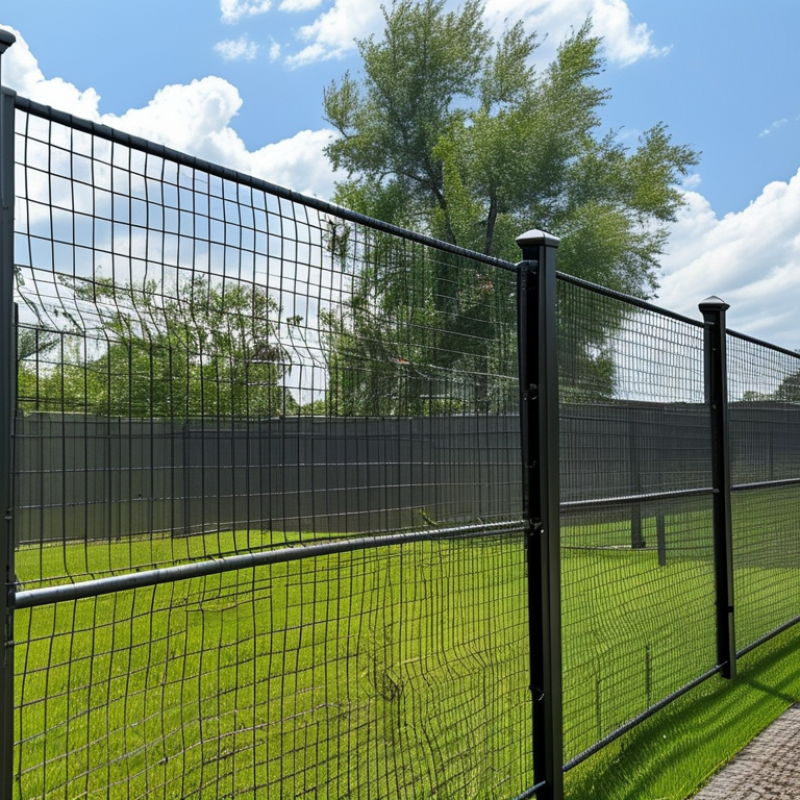
When choosing a mesh fence, understanding the different types available is crucial. There are several options, each suited for specific needs. Chain-link fencing is common and cost-effective. It's durable and allows visibility. Welded wire fencing is robust and provides security. It can be used to keep animals in or out of an area.
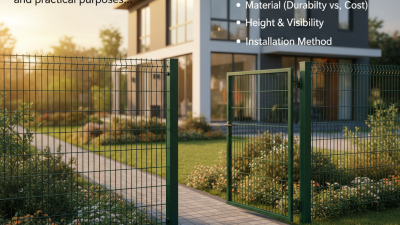
Another type is expandable mesh fencing. This is great for temporary solutions. It is lightweight and portable, making it easy to set up and take down. Consider the materials used in the mesh. Galvanized steel tends to resist rust better than other materials. If aesthetics are important, vinyl-coated mesh adds a layer of protection and improves appearance.
When selecting a mesh fence, think about the height and gauge. Taller fences offer better security. A higher gauge means thinner wire, so balance strength and visibility. Take time to assess your specific needs. Evaluate the environment as well. A fence in a high-wind area should be sturdier. Reflect on how you’ll use the fence over time; adjust your choice based on changing needs.
Assessing the Durability and Maintenance Requirements of Mesh Fences
When selecting a mesh fence, durability is a primary consideration. Generally, materials like galvanized steel and aluminum are preferred for their strength and resistance to rust. Reports indicate that proper galvanization can extend the lifespan of a fence up to 30 years. However, this often comes with a higher initial cost, which some may find challenging.
Maintenance needs can vary significantly between different types of mesh fences. Some materials require regular inspections and occasional paint to prevent corrosion. On the other hand, vinyl-coated options typically need minimal upkeep, often surviving in harsh weather conditions without significant deterioration. A 2022 industry survey found that 40% of property owners prioritize low-maintenance solutions. Still, it’s important to acknowledge that neglect can lead to structural issues over time.
In assessing the best option, potential buyers should consider local climate and their ability to commit to ongoing maintenance. Those living in extreme weather regions may find that investing in higher-quality materials pays off. Regular maintenance checks can help identify wear before it becomes a more significant problem, but many overlook this factor. Understanding these aspects can enhance the decision-making process, ensuring that the selected fence meets long-term needs effectively.
How to Choose the Best Mesh Fence for Your Needs? - Assessing the Durability and Maintenance Requirements of Mesh Fences
| Fence Type |
Material |
Durability (Years) |
Maintenance Requirements |
Cost Range (per foot) |
| Chain Link Fence |
Galvanized Steel |
15-20 |
Low Maintenance, occasional cleaning |
$10 - $20 |
| Welded Wire Fence |
Steel |
20-30 |
Moderate maintenance, check for rust |
$15 - $25 |
| Vinyl Coated Wire Fence |
Steel with Vinyl Coating |
20-25 |
Low maintenance, easy cleaning |
$18 - $30 |
| Razor Wire Fence |
Galvanized Steel |
15-20 |
High maintenance, must ensure safety |
$12 - $22 |
| Electric Mesh Fence |
Metal with Electrical Components |
10-15 |
High maintenance, require electrical checks |
$25 - $40 |
Evaluating Cost Factors and Budget Considerations for Mesh Fencing
When choosing a mesh fence, budget considerations play a crucial role. The cost of materials varies significantly. Investing in high-quality mesh may seem expensive initially, but it often leads to long-term savings. Durable materials resist wear and decrease maintenance costs. Even within a fixed budget, prioritizing quality can reduce future expenses effectively.
Before making a decision, evaluate installation costs. Hiring professionals may add to your budget, but their expertise ensures proper setup. However, if you decide to DIY, research tools and techniques. This can lower costs while allowing for a personal touch. Remember, mistakes during installation can lead to costly repairs later on.
Consider long-term benefits instead of just upfront costs. A cheap fence might wear out quickly, costing more in the end. Look for warranties that cover potential damages. These provide a sense of security when investing in a product. Weighing initial costs against future needs can lead to a wiser choice that balances expense and value.
Identifying Specific Security Needs and Aesthetic Preferences
Choosing the right mesh fence involves understanding your security needs and aesthetic preferences. Start by evaluating why you need a fence. Are you protecting pets? Or perhaps enhancing privacy? Consider areas with high foot traffic or potential intrusions. A sturdy design might be necessary in high-risk zones, like near streets or parks.
Aesthetics matter too. Some may lean towards a sleek, modern look. Others prefer a more rugged, natural appearance. Visualize how the fence will blend with your home or garden. Color, height, and mesh type can greatly influence the overall feel of your space. Remember, the choice is not just functional; it shapes the environment.
Also, reflect on maintenance. Some materials require little care, while others might need regular attention. Balance durability with visual appeal. Consider whether the style will age well. An attractive fence enhances curb appeal but ensure it meets your essential security needs. It's not just about beauty; it's about creating a safe haven.
Installation Considerations: Professional Help vs. DIY Options
When considering mesh fence installation, the choice between hiring a professional and opting for a DIY approach is critical. Many homeowners grapple with this decision. According to a report by the American Fence Association, 60% of homeowners choose to employ professionals for significant fencing projects. Professionals ensure proper installation, reducing the risk of costly mistakes. They bring valuable expertise to the table. On the other hand, DIY enthusiasts often cite lower costs as a primary reason for their choice. However, improper installation can lead to issues, such as instability or damage from weather.
Cost considerations are essential when weighing options. Professional installation can range from $1,500 to $4,000, depending on the fence type and yard size. In contrast, DIY costs can be significantly lower, often between $500 and $1,500, but may lack the quality of a professional job. Homeowners must also evaluate their skills. A poor installation might lead to quicker deterioration of the fence. In fact, the International Association of Professional Fence Installers found that about 40% of DIY installations require future repairs. Reflecting on these aspects can guide homeowners in making an informed choice.