How to Choose the Right Wire Mesh Fence for Your Needs?
Choosing the right wire mesh fence is crucial for both aesthetic and practical purposes. A wire mesh fence can serve various roles, from securing a property to enhancing its overall look. With numerous options available, selecting the perfect one requires careful consideration.
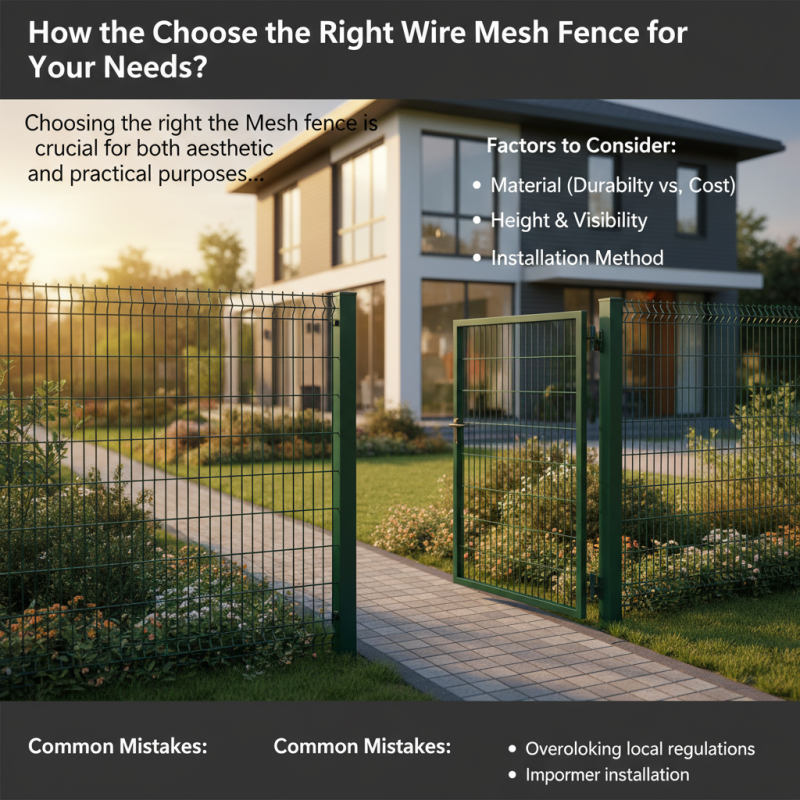
Different factors influence your decision. What type of material suits your needs? Consider durability versus cost. Think about the height of the fence and its visibility. These elements can make a significant difference in security and aesthetics. Additionally, installation methods may vary. An improperly installed wire mesh fence can lead to future problems.
Mistakes in this process are common. People often overlook local regulations regarding fence height and style. This can result in fines or required modifications later. A thoughtful approach to choosing your wire mesh fence will save time and money. Reflect on your specific needs and preferences to find a solution that truly fits.
Understanding Different Types of Wire Mesh Fences and Their Uses
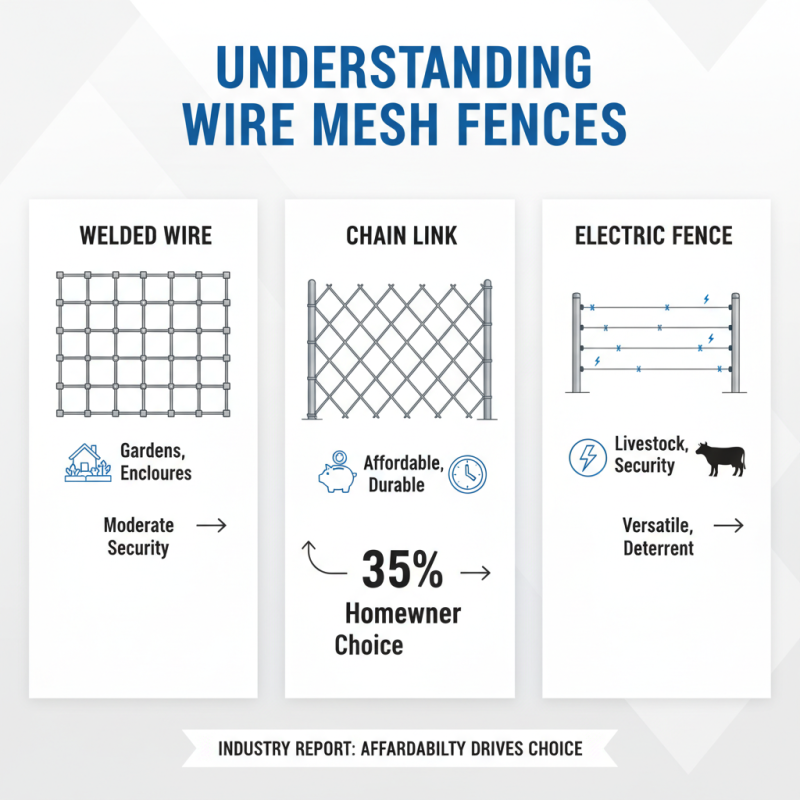
When selecting a wire mesh fence, understanding the different types is crucial. The most common options include welded wire, chain link, and electric fences. According to a recent industry report, around 35% of homeowners prefer chain link fences due to their affordability and longevity.
Welded wire fencing offers enhanced strength. This type of fence is ideal for keeping livestock contained. It creates a durable barrier against predators. A study by the American Farm Bureau found that welded wire fences last up to 20 years. However, they can be more costly than chain link options.
Electric fences are popular for security needs. They provide a deterrent without causing severe harm. It's vital to consider local regulations before installation. Misunderstanding regulations can lead to legal issues. Here are some tips:
- Assess the area's specific needs.
- Determine the required height for adequate security.
- Factor in local climate conditions to ensure durability.
Understanding these variables will help you make informed choices when selecting a wire mesh fence for your property.
Evaluating Key Factors: Height, Gauge, and Wire Spacing
When selecting a wire mesh fence, three key factors must be evaluated: height, gauge, and wire spacing.
The height of the fence plays a vital role in its effectiveness. A taller fence can deter larger animals and provide more privacy.
Conversely, a shorter fence might be adequate for smaller pets or for decorative purposes.
Consider your specific needs before deciding.
Gauge refers to the thickness of the wire used in the fencing. A lower gauge number indicates a thicker wire.
Thicker wire can withstand more stress and is often more durable. However, heavy-duty options may be unnecessarily robust for basic applications.
Reflect on your situation; a mid-gauge wire might suffice for average residential use without overinvestment.
Wire spacing is crucial for security and visibility. Tighter spacing offers better containment for smaller animals.
Wider spacing can enhance visibility and air circulation but might not keep smaller pets contained.
Assess your property to determine the ideal wire spacing for your intended use.
Balancing these factors is essential for making an informed choice.
Assessing Your Property's Needs: Security, Visibility, and Aesthetics
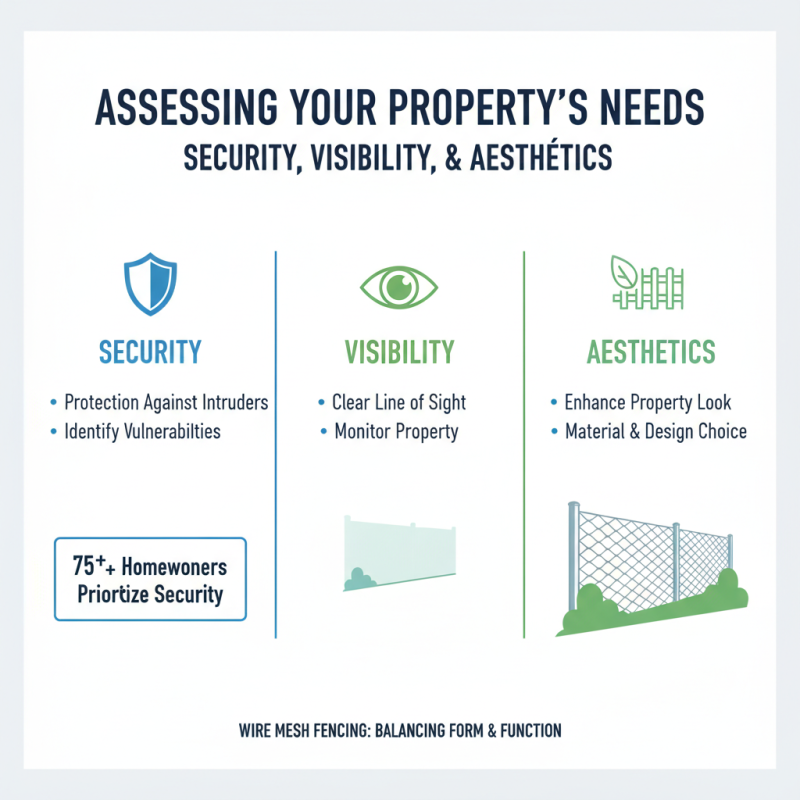
When assessing your property's needs for a wire mesh fence, three main factors come into play: security, visibility, and aesthetics. The choice impacts not only your safety but also the look of your property. Recent industry reports indicate that over 75% of homeowners prioritize security when selecting fencing options, emphasizing the need to identify potential vulnerabilities.
Security-oriented wire mesh fences often use thicker wire, which deters intruders effectively. For example, a 2-inch mesh size is generally regarded as more secure than larger meshes. Additionally, a fence height of 6 feet or more can discourage unauthorized access. However, while security is crucial, visibility remains an important consideration. Some property owners may prefer a fence that allows a view of the surroundings. Studies show that nearly 60% of properties with decorative mesh fences report higher aesthetic satisfaction.
Aesthetics can affect property value. A well-designed fence can enhance curb appeal. However, choosing a fence solely based on appearance may lead to regrets. Many homeowners have found themselves replacing decorative fences with more robust options. Balancing these factors requires careful thought. Reflecting on your priorities is essential to avoid future discontent.
Comparing Material Options: Galvanized, PVC Coated, and Stainless Steel
When selecting a wire mesh fence, the material plays a crucial role. Galvanized wire mesh is a popular option due to its durability. It has a zinc coating that protects against rust. This type of mesh is often suitable for various applications, such as animal enclosures and garden barriers.
PVC coated wire mesh offers an additional layer of protection. The PVC coating resists weathering and adds aesthetic appeal. It comes in various colors, allowing homeowners to match their fencing to their property. However, the coating can wear down over time, especially in harsh conditions.
Stainless steel wire mesh is the most robust choice. It is resistant to corrosion and rust, making it ideal for long-term use. This material can endure extreme weather and heavy use. However, stainless steel can be more expensive. Understanding the balance between cost and longevity is essential for making an informed decision. Each material has its pros and cons, and your specific needs will guide the best choice.
Comparison of Wire Mesh Fence Material Options
This chart compares the durability of different wire mesh fence materials over time. Galvanized steel typically lasts around 15 years, while PVC coated steel can last up to 25 years, with stainless steel offering the highest durability of approximately 30 years.
Budget Considerations: Cost Analysis and Long-Term Investment Advantages
When selecting a wire mesh fence, budget considerations play a crucial role. The cost varies widely based on the type of material and its application. According to industry data, the average cost of wire mesh fencing typically ranges from $1.50 to $10 per linear foot. While affordable options exist, investing slightly more can offer durability benefits. Higher-quality materials can last up to 30 years with minimal maintenance, making them a wise long-term investment.
Tips: Always assess your primary needs. If security is a priority, opt for galvanized steel mesh, which offers greater strength. For decorative purposes, vinyl-coated wire may enhance your property's aesthetics.
Long-term advantages also come from reduced upkeep costs. Regular maintenance can account for 2% to 5% of the initial purchase price annually. This is often overlooked during the budgeting phase. A well-chosen wire mesh fence requires far less repair than cheaper alternatives.
Tips: Assess potential hidden costs like installation fees. Some fences may require professional installation, which can escalate expenses. A bit of research today can lead to substantial savings tomorrow.