
Blog

You are here:

Why Is My Smoke Alarm Beeping?

Why Is My Smoke Alarm Beeping? A single chirp every 30 to 60 seconds often signals a low battery, but that is not the only possible cause. Dust inside the sensing chamber, high humidity, loose wiring, power interruptions, or an expired unit can create similar sounds. The exact pattern matters. A loud, repeating alarm may indicate smoke or fire and requires immediate action, while a short nighttime chirp usually suggests a maintenance problem.

This guide explains how to identify the sound safely and check the most common causes. You may need a fresh battery, a soft vacuum brush, or the alarm’s manufacture date. Many household alarms need replacement after about ten years, even when their test button still works. Hardwired models can also rely on backup batteries, which people sometimes overlook. Interconnected alarms add another complication because one detector may trigger several others.

Do not remove the battery and leave the alarm silent. That solves the noise, not the hazard. If smoke, burning odors, heat, or a continuous alarm is present, leave the building and contact emergency services from a safe location. The easy answer is often the wrong one. Even careful troubleshooting can miss a failing sensor or an electrical fault. When the cause remains unclear, follow the manufacturer’s instructions and ask a qualified technician to inspect the system. A reliable Smoke Alarm should be tested regularly, kept unobstructed, and treated as essential life-safety equipment.
Why Is My Smoke Alarm Beeping?

Identify the Beep: NFPA Finds 59% of Alarm Failures Involve Missing Batteries

Why Is My Smoke Alarm Beeping?

Identify the Beep: NFPA Finds 59% of Alarm Failures Involve Missing Batteries

A smoke alarm’s short chirp usually signals a power or maintenance problem, not smoke. NFPA’s Smoke Alarms in U.S. Home Fires report found that 59% of alarm failures involved missing, disconnected, or dead batteries. That small plastic compartment matters. Check it immediately, even if the alarm still flashes.

Press the test button monthly, as recommended by fire-safety authorities. Replace standard batteries at least yearly, or sooner after repeated chirping. A loose battery can sound like a dying one. So can dust, humidity, or a weak backup battery. Listen closely: a continuous, loud alarm requires immediate evacuation, while one chirp every minute often indicates maintenance.

NFPA also reported that smoke alarms operated in only about half of reported home fires during 2018–2022. That figure is uncomfortable. I once saw a hallway alarm chirp only at night, when cooler temperatures exposed its weak battery. The first replacement did not solve it. Cleaning the sensor and checking the installation did. If chirping continues after a fresh battery, inspect the unit’s age and wiring. Many alarms need replacement after ten years, but installation instructions should decide. Never ignore the sound.

Check Power Sources: Replace Batteries and Test Each Alarm Monthly

Why Is My Smoke Alarm Beeping?

Check Power Sources: Replace Batteries and Test Each Alarm Monthly

A repeating chirp often points to a weak battery, not an immediate fire. Check the battery first. Remove the cover and confirm it fits firmly inside the compartment. Replace it with the type listed in the alarm’s instructions. Do not rely on a battery that has been stored for years. Even unused batteries can lose charge. A practical check also includes the battery contacts. Dust or corrosion may prevent steady power.

Hardwired alarms need attention too. Many contain backup batteries that can beep during a power interruption. Replace these batteries on schedule, even when the alarm receives household electricity. I once assumed a wired alarm needed no battery check, and that assumption was careless. The warning chirp appeared late at night, after the backup battery had weakened.

Test every alarm once a month. Press and hold the test button until you hear the alarm sound clearly. Walk to another room and listen, especially near closed doors. In interconnected systems, confirm that each unit responds properly. If one alarm stays silent, inspect its battery and power connection. A persistent chirp after replacement may indicate dust, an expired sensor, or an internal fault. Follow the unit’s instructions, and ask a qualified electrician to inspect fixed wiring when needed. Do not ignore the noise. A small warning can reveal a larger maintenance problem.

Inspect Age and Sensors: Replace Smoke Alarms Every 10 Years

Why Is My Smoke Alarm Beeping?
Inspect Age and Sensors: Replace Smoke Alarms Every 10 Years

A beeping smoke alarm often signals more than a weak battery. Check the alarm’s manufacture date first. Most smoke alarms should be replaced every ten years. This period begins with manufacture, not installation. An older sensor may react slowly, even when its test button still works. That detail is easy to miss.

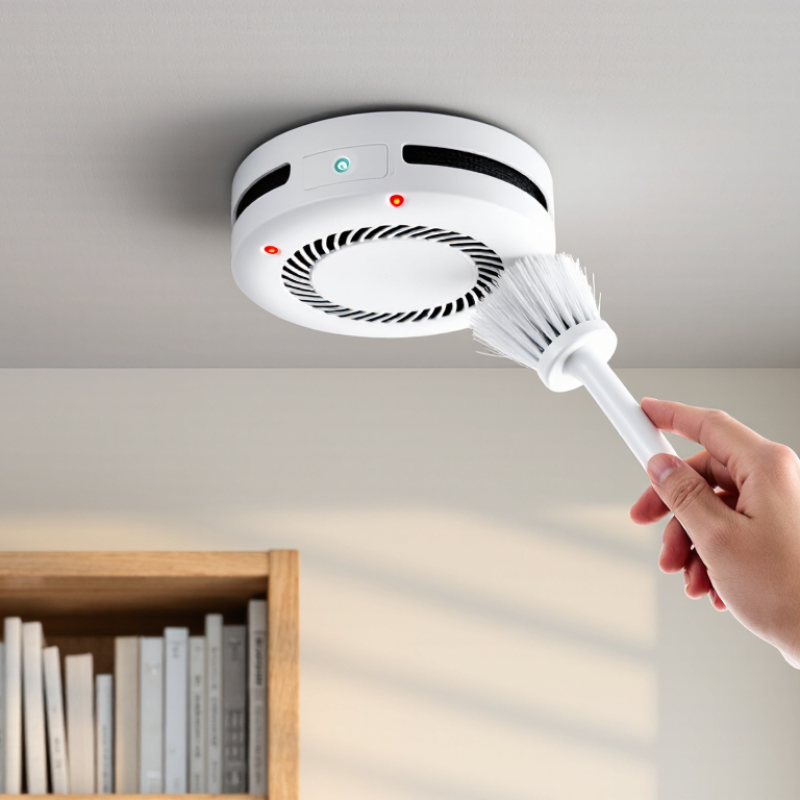
Remove the alarm carefully and inspect its back or side label. Look for dust, insects, corrosion, or loose connections. A vacuum with a soft brush can clear surface debris. Never spray cleaners into the sensing chamber. Press the test button after cleaning. The sound should be loud and distinct. If the alarm chirps again, replace the battery when applicable. Sealed units require full replacement.

During routine home checks, I have found alarms that looked clean but were already outdated. The plastic case seemed fine. The sensor was not. Interconnected alarms can also confuse troubleshooting because one unit may trigger sounds elsewhere. Check each alarm’s age and indicator lights. Read the product instructions, since beep patterns differ between models. Do not silence a recurring warning by removing the battery. If a new alarm still chirps, inspect its wiring and mounting position, then contact a qualified professional or local fire-safety authority. A replacement can feel unnecessary, but ten-year-old detection equipment deserves serious attention.

Why Is My Smoke Alarm Beeping? - Inspect Age and Sensors: Replace Smoke Alarms Every 10 Years

Common smoke-alarm beeping patterns, possible causes, and recommended actions.
Beeping or Alarm Pattern Most Likely Cause What to Inspect Recommended Action Priority
One short chirp about once every 30–60 seconds Low battery or an interrupted power supply Battery condition, battery contacts, and circuit-breaker status on hardwired units Replace the battery with the correct type. For a hardwired alarm, restore power and use its backup battery. High
Chirping continues after a new battery is installed Residual low-battery signal, poor battery connection, or an aging alarm Battery fit, battery compartment, reset procedure, and manufacture date Remove the alarm from power as directed, disconnect the battery if applicable, press the test button, reconnect it, and replace the unit if chirping persists. High
Three loud beeps followed by a pause, repeating Possible smoke or fire condition Smoke, heat, flames, and the location of the alarm Treat it as a real emergency. Leave immediately, alert others, and contact emergency services from a safe location. Emergency
Alarm sounds near a kitchen or bathroom Cooking smoke, steam, dust, or high humidity entering the sensor chamber Alarm placement, ventilation, visible dust, and whether the event occurs during cooking or showering Improve ventilation, keep the alarm away from cooking appliances and bathrooms, and clean it according to the instructions. Do not disable it permanently. Medium
False alarms occur repeatedly without visible smoke Dust, insects, steam, airflow, contamination, or a deteriorating sensor Sensor openings, nearby vents, fans, windows, and the alarm’s age Gently vacuum or clean the unit as permitted by its instructions. Relocate or replace it if nuisance alarms continue. Medium
Intermittent chirping from a hardwired alarm Backup battery, loose wiring, power interruption, or electrical interference Backup battery, power indicator, wiring connection, and other nearby electrical work Replace the backup battery and check the circuit. Have electrical connections inspected by a qualified professional if the problem remains. High
End-of-life chirp or warning message Smoke alarm has reached the end of its service life Manufacture date or installation date printed on the back or inside the unit Replace the complete smoke alarm. Do not rely on a battery replacement to extend the sensor’s service life. High
Alarm is more than 10 years old Smoke sensor sensitivity and internal components may have degraded Manufacture date, installation records, physical damage, and test performance Replace the smoke alarm, even if it still appears to work and passes occasional tests. High
Test button produces no alarm sound Dead battery, power problem, failed electronics, or damaged alarm Battery, power supply, indicator light, and mounting connection Replace the battery and test again. Replace the alarm if it still fails or is damaged. High
Different sensor technologies are being considered Photoelectric and ionization sensors respond differently to fire characteristics Existing coverage, room type, cooking proximity, and local safety guidance Use approved alarms and follow placement instructions. A combination of sensor types or dual-sensor coverage may improve protection. Planning
Safety reminder: Test smoke alarms regularly, keep them clear of paint and obstructions, and replace every smoke alarm after 10 years or according to the unit’s safety instructions. Never ignore a loud alarm or remove a battery without restoring protection.

Control Dust, Steam, and Temperature Near the Alarm

Why Is My Smoke Alarm Beeping?

Control Dust, Steam, and Temperature Near the Alarm

A smoke alarm may beep when its sensor detects changing conditions, not only smoke. Dust can settle inside the sensing chamber and create brief warning signals. Use a soft brush or a vacuum’s gentle attachment around the vents. Avoid spraying cleaners directly onto the alarm. Moisture can damage the sensor.

Steam is another common trigger. A bathroom door left open after a hot shower may send vapor toward a nearby alarm. Cooking steam can travel farther than expected, especially in a small kitchen. Move the alarm farther from bathrooms, stoves, and laundry areas, while following local safety guidance. Never remove an alarm simply because it is inconvenient.

Temperature changes deserve attention too. Cold air near an attic hatch, open window, or poorly insulated ceiling can affect some sensors. Very warm air may do the same. Keep the alarm away from heaters, vents, and direct sunlight. A stable location is better.

It is easy to assume the battery is always responsible. That assumption can be wrong. After cleaning, press the test button and check the battery according to the device instructions. If beeping continues, replace the unit when required by its service life. An alarm that stays unreliable needs prompt professional evaluation, not repeated silencing.

Verify Safety: Use UL 217-Listed Alarms Rated at 85 dBA or Higher

Why Is My Smoke Alarm Beeping?

A smoke alarm may beep because its battery is weak, its sensor is dusty, or the unit has reached the end of its service life. A single chirp every minute often signals a power problem. Repeated loud alarms require immediate attention. Check for smoke, heat, or fire before touching the device.

Verify safety by choosing smoke alarms listed to UL 217. The alarm should produce at least 85 dBA at 10 feet, according to its specifications. That volume matters when someone is sleeping behind a closed door. Read the product label and installation guide carefully. Do not assume every alarm meets the same performance level. Certification markings can be small and easy to overlook.

Press the test button each month. The sound should be sharp and unmistakable. Replace the battery when needed, but sealed units still require replacement after their rated service period. Many manufacturers recommend replacement after about ten years, though the manual and local safety rules should control. Vacuum dust gently around the alarm, and keep it away from cooking fumes and bathroom steam. I once treated a nighttime chirp as a nuisance and waited too long to inspect it. That was poor judgment. A quiet alarm can also mean a dead alarm, which is more dangerous than an annoying beep. Check alarms on every level, outside sleeping areas, and inside bedrooms where required.

Why Is My Smoke Alarm Beeping?

Verify safety by using smoke alarms listed to UL 217 and rated at 85 dBA or higher at 10 feet. The chart below shows an estimated sound-level drop as distance increases from an alarm rated at 85 dBA at 10 feet.

These values are theoretical free-field estimates based on the inverse-square sound principle. Walls, doors, furnishings, battery condition, and alarm placement can reduce the actual sound level. A periodic beep may indicate a low battery, end-of-life condition, malfunction, or another alert state; check the alarm’s instructions and test it promptly.

Go to Top