Blog

You are here:

What Is Welded Mesh and What Types Are Available?

Welded mesh is a manufactured grid formed by electrically welding intersecting steel wires. Each joint creates a fixed opening, unlike woven wire, which can flex under load. This simple structure supports concrete slabs, animal enclosures, machine guards, partitions, and security fencing. On a construction site, the difference is visible: a rigid panel stays square, while a poorly selected roll may sag, distort, or require extra supports.

Industry data shows why material selection deserves careful attention. The World Steel Association’s October 2024 Short Range Outlook forecast global steel demand growth of 1.8% in 2024 and 1.9% in 2025. That demand supports continued use of fabricated steel products, including welded mesh. For concrete reinforcement, ASTM A1064/A1064M specifies requirements for carbon-steel wire and welded wire reinforcement. Galvanized products are commonly selected where moisture exposure is expected, while stainless steel suits more corrosive environments. PVC-coated mesh adds another protective and visual layer.

The available types vary by wire diameter, opening size, coating, panel format, and intended load. Common options include plain steel mesh, galvanized welded mesh, stainless steel mesh, reinforcement mesh, and PVC-coated fencing mesh. Some are supplied in rolls. Others arrive as rigid panels. Choosing by price alone can be misleading. A smaller opening may improve containment, yet it can increase weight and installation effort. A thicker wire may improve strength, but not always corrosion resistance. This guide examines each type, its practical applications, relevant standards, and the compromises that engineers, contractors, and buyers should evaluate before ordering. Even experienced teams can overlook coating thickness or dimensional tolerances. That mistake is avoidable.
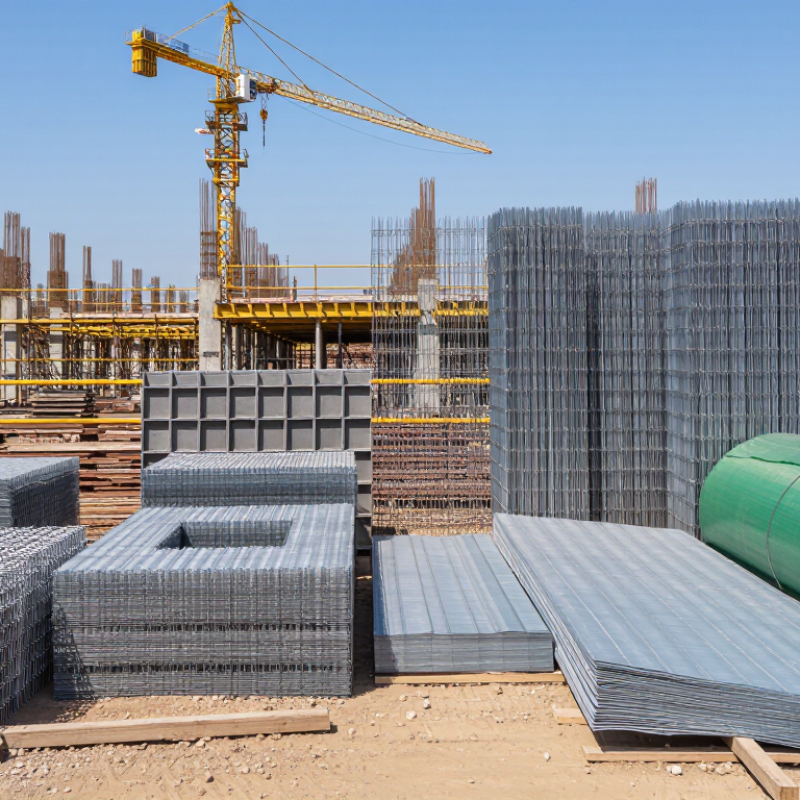
What Is Welded Mesh and What Types Are Available?

Definition and Basic Structure of Welded Mesh

What Is Welded Mesh and What Types Are Available?

Welded mesh is a grid made by joining straight metal wires at fixed intersections. Each crossing is typically fused by electric resistance welding, creating a stable, flat sheet or roll. Longitudinal and transverse wires form regular openings, usually square or rectangular. The wire diameter, opening size, and panel dimensions determine its strength and flexibility.

Its basic structure is simple, but each detail matters. Thicker wires generally resist bending better. Smaller openings can improve support and containment. A clean weld should hold the crossing firmly without sharp, loose projections.

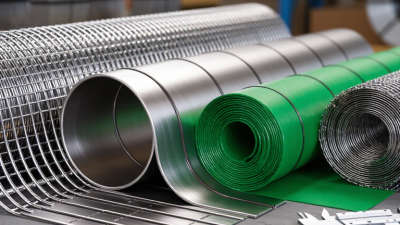
Common forms include plain steel welded mesh, galvanized mesh, stainless steel mesh, and PVC-coated mesh. Galvanized surfaces help resist moisture, while stainless steel suits areas requiring stronger corrosion resistance. PVC coatings add a protective and visible outer layer.

Welded mesh is supplied in rolls or rigid panels. Rolls are useful for curved or extended layouts. Panels usually provide straighter alignment and easier handling during installation. In practical work, measurements do not always match the label perfectly. Wire tolerance, coating thickness, and cutting can affect the final size. Check the actual wire diameter and aperture before ordering. The material should also match the environment, expected load, and required service life. A low-cost option may appear suitable, yet corrosion or weak welds can create problems later. અનુભ

How Welded Mesh Is Manufactured

Welded mesh is made from metal wires joined at regular intersections. It is commonly supplied in rolls or rigid panels. The manufacturing method controls its strength, opening size, surface quality, and practical lifespan.

Production usually begins with low-carbon steel, stainless steel, or coated wire. Machines straighten the wire and cut it to precise lengths. Longitudinal wires are positioned beside cross wires, forming a square or rectangular grid. At every crossing, electrical resistance welding creates a firm joint through controlled heat and pressure. The finished mesh may then be galvanized, polymer-coated, or left untreated for indoor use. Technicians inspect wire diameter, spacing, weld consistency, and panel dimensions. Load testing can reveal weak connections that visual checks miss. The process sounds simple. It is not flawless. Excessive heat may weaken thin wire, while poor alignment can distort the openings. Experienced manufacturers adjust current, pressure, and line speed for each specification.

Tips: Confirm the required opening size before production. Ask how weld strength is tested. Check whether the coating is applied before or after welding. Outdoor applications need stronger corrosion protection. Small spacing errors matter in fencing, cages, reinforcement, and industrial screens. I have found that clear drawings prevent more problems than rushed adjustments.

What Is Welded Mesh and What Types Are Available? - How Welded Mesh Is Manufactured

Mesh Type Typical Material Common Wire Diameter Typical Opening Range Manufacturing Method Typical Applications
Plain Steel Welded Mesh Low-carbon steel wire 1.6–6.0 mm 12–100 mm Longitudinal and cross wires are arranged in a grid and resistance-welded at each intersection. Temporary fencing, machine guards, storage cages, and general fabrication.
Galvanized Welded Mesh Zinc-coated steel wire 1.6–6.0 mm 12–100 mm The mesh may be galvanized before welding or coated after welding; post-weld galvanizing provides coverage over weld areas. Outdoor fencing, animal enclosures, garden barriers, and agricultural structures.
PVC-Coated Welded Mesh Galvanized steel core with PVC coating 2.0–4.5 mm finished diameter 12–75 mm Welded steel mesh is cleaned and covered with a polymer layer by fluidized-bed or extrusion coating. Decorative fencing, poultry runs, pet enclosures, and landscaping projects.
Stainless Steel Welded Mesh Corrosion-resistant stainless steel wire 0.5–4.0 mm 6–100 mm Stainless wires are resistance-welded without requiring a protective zinc or polymer coating. Food-processing equipment, chemical facilities, filtration supports, and architectural panels.
Reinforcing Welded Wire Mesh High-yield or cold-worked steel wire 4.0–12.0 mm 100–300 mm Steel bars or wires are welded into prefabricated sheets or rolls for concrete reinforcement. Concrete slabs, walls, pavements, foundations, and precast concrete components.
Heavy-Duty Welded Grid Carbon steel or high-strength steel 6.0–12.0 mm 25–150 mm Large-diameter wires are positioned accurately and welded with high-current resistance equipment. Industrial partitions, security barriers, load-bearing cages, and heavy equipment protection.
Electro-Welded Decorative Mesh Steel, stainless steel, or coated wire 1.0–4.0 mm 10–75 mm Fine wires are welded into uniform patterns and may receive powder coating or another surface finish. Balustrades, display fixtures, interior partitions, screens, and façade elements.
Basic Manufacturing Sequence: Wire straightening and cutting or wire pay-off → grid alignment → resistance welding at intersections → trimming and dimensional inspection → surface treatment, if required → cutting into sheets or winding into rolls → packaging.

Common Types of Welded Mesh

Welded mesh is made by joining crossing wires at fixed points with electric resistance welding. Its openings stay uniform under ordinary handling. Common types include plain steel, galvanized, PVC-coated, stainless steel, and reinforcing mesh.

Plain steel mesh is economical and useful for partitions, cages, machine guards, and workshop storage. It needs paint or another protective treatment outdoors. Otherwise, rust may appear around welds first.

Galvanized welded mesh has a zinc coating that improves resistance to rain and humidity. It suits fencing, ventilation panels, animal enclosures, and garden structures. PVC-coated mesh adds a plastic surface for easier cleaning and a softer touch.

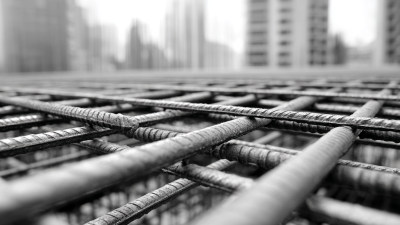
Stainless steel mesh performs better in food-processing areas, coastal locations, and rooms cleaned frequently. Reinforcing mesh uses thicker wires and supports concrete slabs, walls, and foundations. It is not interchangeable with light fencing mesh.

Opening size and wire diameter matter as much as the coating. Small openings can block tools, pests, or falling objects. Larger openings reduce weight and cost. Livestock mesh often uses stronger wires and practical spacing for animal safety.

A frequent mistake is choosing by appearance alone. I would check load, moisture, edge protection, and installation tools before ordering. Even a well-made panel can fail when its frame is weak.

Materials, Coatings, and Surface Treatments

What Is Welded Mesh and What Types Are Available?

Materials, Coatings, and Surface Treatments

Welded mesh is made by joining steel wires at regular intersections. Its strength depends on wire diameter, spacing, weld quality, and material selection. Low-carbon steel is economical and easy to fabricate. Stainless steel offers stronger corrosion resistance in damp or chemically active areas. Aluminum mesh is lighter, but it usually has lower stiffness and impact resistance. Measure the environment first.

Galvanized steel is widely used for outdoor panels, cages, partitions, and construction reinforcement. Electro-galvanizing provides a thinner zinc layer with a smoother appearance. Hot-dip galvanizing creates a thicker coating and generally handles moisture better. However, zinc coverage can vary around welds and sharp edges. That detail matters. Cut edges need attention. A repair coating may reduce early rust, but it cannot perfectly restore the original protection.

PVC or polyethylene coatings add color, insulation, and another barrier against water. They are useful where appearance and handling safety matter. Powder coating can produce an even finish, yet poor surface preparation may cause peeling. Stainless steel may receive passivation or pickling to improve its passive layer. In practical inspections, coating damage often begins at corners, drilled holes, and contact points. I have seen specifications focus on appearance while ignoring abrasion and drainage. That is an easy mistake. Selection should consider humidity, salt exposure, chemicals, temperature, cleaning methods, and expected service life.

What Is Welded Mesh and What Types Are Available?

Welded mesh is made by resistance-welding intersecting wires into a regular grid. The base material and surface treatment determine its weight, corrosion resistance, service life, and suitable applications.

How to read the chart: Low-carbon steel is the most common economical option, while 304 and 316 stainless steel provide inherent corrosion resistance. Galvanized mesh uses a zinc coating to protect steel; hot-dip galvanizing generally produces a thicker coating than electro-galvanizing. PVC or polymer coatings add a protective barrier and color, while stainless steel may also receive passivation to improve its corrosion resistance.

The chart shows representative material densities at room temperature. Actual values vary slightly with alloy grade, wire condition, and manufacturing tolerances.

Typical Applications and Selection Factors

Welded mesh consists of wires joined at fixed intersections, creating a stable grid. Its common forms include mild steel, galvanized steel, and stainless steel mesh. Panels may have square or rectangular openings. Each type suits different working conditions. It is not merely a metal sheet with holes.

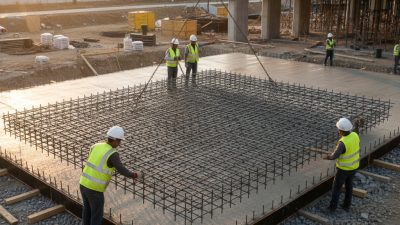
In concrete slabs, welded mesh helps distribute stress and limit crack width. It is placed on supports, not left directly on the ground. Fencing uses heavier wire and smaller openings when stronger resistance is required. Lightweight mesh can protect vents, machinery guards, or garden screens. In animal enclosures, opening size matters as much as wire strength. Small animals may escape through surprisingly narrow gaps.

Selection should begin with the load, exposure, and installation method.

Match wire diameter and spacing to the project drawings. Wet or salty environments require better corrosion resistance. Galvanized mesh often suits outdoor construction, while stainless steel performs better in demanding conditions. Opening size affects airflow, visibility, drainage, and safety. Accurate measurements reduce cutting waste.

A practical mistake is choosing mesh by appearance alone. A thick-looking grid may still bend under impact. Check panel dimensions, edge treatment, weld quality, and support spacing before ordering. Field conditions can differ from drawings, so one site inspection is worth the effort.

Go to Top