Top 10 Welded Wire Fence Options for Global Buyers?
Welded wire fences are essential for various applications, from agricultural boundaries to security enclosures. They offer strength, durability, and versatility, making them a popular choice globally. Buyers must navigate a range of options to find the best welded wire fence for their specific needs.
Understanding the key attributes of welded wire fences helps in making informed decisions. Factors like wire gauge, spacing, and coating types can significantly influence performance and longevity. While many products claim to be the best, quality can vary, calling for careful evaluation.
Challenges can arise when selecting the right type. For instance, not all welded wire fences are suitable for every environment. Some may rust quicker than others. Testing different options can make a notable difference. Engaging with reputable suppliers can enhance trust and ensure better outcomes.
Top 10 Welded Wire Fence Materials and Their Applications
Welded wire fences come in various materials, each suiting different applications. Among the most common options are galvanized steel, stainless steel, and vinyl-coated wire. Galvanized steel is popular for its durability and rust resistance. This makes it ideal for outdoor fencing. It's used in agricultural settings and residential yards.
Stainless steel offers superior strength and corrosion resistance. This material is often preferred in coastal areas where rust is a concern. Vinyl-coated wire adds an extra layer of protection and aesthetic appeal. It is used in residential settings for decorative fences. Cost is a consideration; vinyl-coated options may be pricier than bare steel. However, their longevity can justify the expense.
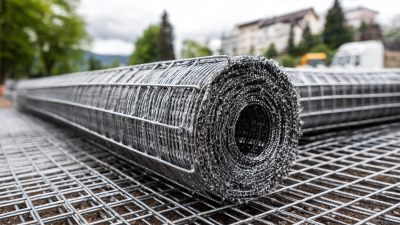
Another option is welded wire mesh made from low-carbon steel. This material is easily molded and flexible for various configurations. It's common in animal enclosures and gardening applications. Some users find it challenging to install, requiring proper tools and skills. Evaluating your specific needs is crucial. Consider factors like the environment and purpose before making a choice.
Key Features to Consider When Choosing Welded Wire Fencing
When selecting welded wire fencing, several key features demand careful consideration. The gauge of the wire is important. Thicker wires provide greater strength and durability, while thinner wires may be more prone to deformity over time. Additionally, the spacing of the wires should be tailored to your specific needs. If you aim to keep smaller animals contained, opt for tighter spacing. This detail directly influences the effectiveness of the fence.
Coating is another factor that significantly impacts the longevity of the fencing. A quality rust-resistant finish can extend the life of your fence, especially in harsh climates. Some coatings may wear unevenly, leading to premature rusting. In practice, inspecting the coating before purchase is vital. Ensure it meets your environmental needs and provides adequate protection.
Lastly, the height and configuration of the fence are crucial for its effectiveness. A higher fence offers better security, but can also be more difficult to install. Evaluate the installation requirements carefully; a poorly installed fence may compromise its integrity. There’s value in seeking professional advice to ensure you make the right choices for your specific situation.
Comparative Analysis of Top Welded Wire Fence Brands
When comparing welded wire fence options, several key factors come into play. Buyers should assess durability, material quality, and intended use. Different environments require distinct features. For instance, agricultural needs differ from residential applications. Understanding these differences helps in selecting the right product.
In our analysis, we find that not all welded wire fences are created equal. Some may lack adequate rust resistance, while others might not meet strength requirements for heavy-duty use. Noticing these details is crucial in your buying decision. We also observed that customer reviews often highlight performance issues over time.
It’s vital to weigh these considerations against your specific requirements. Fabrication techniques can greatly influence the fence's lifespan. Ensuring proper installation methods can further enhance durability. By paying close attention to these elements, buyers can make informed decisions. Investing more time in research could yield better outcomes for your fencing projects.
Installation Tips for Effective Welded Wire Fence Setup
When installing a welded wire fence, proper planning is crucial. Start by identifying the purpose of your fence. Is it to contain pets, secure livestock, or mark property boundaries? Understanding its function will guide your choices. Measure the area carefully. An accurate measurement ensures the materials fit perfectly and minimizes waste.
Next, consider the terrain. Uneven ground can complicate the installation process. If your land has hills or dips, prepare to adjust the fence height accordingly. Take time to clear the area of debris and obstacles. This may take longer than expected, but a clean site prevents future issues.
During installation, make sure to use level posts. Improperly aligned posts can result in an unstable fence. Ensure each section is tensioned correctly. Too loose, and the fence may sag; too tight, it risks breaking. While installing, use high-quality connectors to join sections securely. Relying on lower-grade options might save money but can lead to reliability issues down the line. Finally, review your work. Minor adjustments now can save significant repair efforts later.
Top 10 Welded Wire Fence Options - Popularity Chart
Maintenance Best Practices for Longevity of Welded Wire Fences
Welded wire fences are popular for their durability and strength. Yet, maintenance is crucial for their longevity. According to a recent industry report, proper upkeep can extend the life of these fences by 30%. Regular inspections are key. Look for rust and loose sections. Address issues promptly to prevent bigger problems later.
Cleaning is another essential practice. Using a high-pressure washer can remove dirt and debris that may lead to corrosion. Experts suggest applying a protective coating every few years. This simple step can greatly improve overall durability. However, many users overlook it, thinking the fence is fine as is.
Additionally, proper installation plays a vital role. Ensure the fence is anchored deep into the ground. Shifting or settling can lead to instability. Some homeowners have reported issues after poor installation. This illustrates the importance of doing it right the first time. Routine checks, cleaning, and secure installation create a robust fence that stands the test of time.
Top 10 Welded Wire Fence Options for Global Buyers
| Fence Type |
Height (ft) |
Wire Diameter (in) |
Mesh Size (in) |
Durability Rating |
Maintenance Frequency |
| Standard Welded Fence |
4 |
0.125 |
2x2 |
High |
Annual |
| Vinyl Coated Welded Fence |
5 |
0.148 |
2x4 |
Very High |
Biannual |
| Heavy Duty Welded Fence |
6 |
0.2 |
4x4 |
Extreme |
Every 3 Years |
| Galvanized Welded Fence |
4 |
0.095 |
3x3 |
Moderate |
Every 2 Years |
| Eco-Friendly Welded Fence |
5 |
0.12 |
2x3 |
High |
Annual |
| Temporary Welded Fence |
6 |
0.1 |
5x5 |
Low |
Monthly |
| Ornamental Welded Fence |
4 |
0.125 |
3x3 |
High |
Quarterly |
| High-Security Welded Fence |
8 |
0.3 |
2x2 |
Very High |
Every 5 Years |
| Ranch Welded Fence |
5 |
0.175 |
4x4 |
High |
Every 2 Years |
| Privacy Welded Fence |
6 |
0.12 |
2x2 |
Moderate |
Annual |