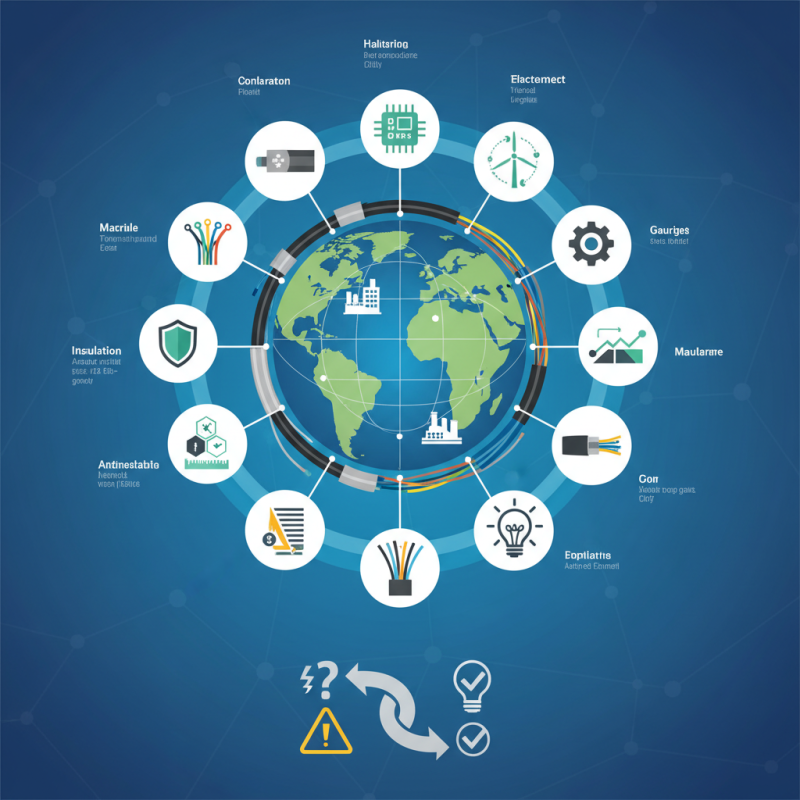
Top 10 Types of Wires and Cables for Global Buyers?
In today's global marketplace, understanding the different types of Провода и Кабели is essential for buyers. Various sectors rely on these materials, from construction to electronics. The right wire or cable can greatly influence project success.
Many buyers face challenges in selection. Each type comes with unique properties. Factors such as insulation, gauge, and material can complicate choices. Inadequate knowledge may lead to improper use or safety hazards. This reality highlights the need for reliable information.
Awareness of regional standards and specifications is crucial. Global differences can affect availability and compliance. Buyers must navigate these complexities carefully. With the right insights, they can ensure quality and functionality in their projects. Understanding these aspects fosters confidence in procurement.
Types of Electrical Wires: Understanding Their Applications and Specifications
When it comes to electrical wires, various types serve unique roles across industries. Understanding their applications is crucial for buyers. For instance, according to the International Electrotechnical Commission (IEC), low-voltage cables often find use in residential buildings. They ensure safety and efficiency in domestic settings. Copper and aluminum are the most common materials for these cables, due to their conductivity.
In industrial applications, high-voltage wires are indispensable. These wires can handle substantial power loads, often over 1,000 volts. A recent report from the International Wire & Cable Symposium highlights that XLPE insulated cables are increasingly preferred for their excellent thermal resistance. The rise in renewable energy sources has spurred demand for robust cable solutions, reflecting the need for adaptation in supply chains.
While many buyers focus on technical specifications, the environmental impact of materials should not be overlooked. Reports show that only 30% of electrical wires are recyclable. This presents an area for improvement in sustainability practices. A shift towards eco-friendly materials is necessary to meet global standards.
Top 10 Types of Wires and Cables for Global Buyers
| Type of Wire/Cable | Application | Specifications |
| Copper Wire | Electrical wiring in homes | Excellent conductivity, flexible |
| Aluminum Wire | Power distribution | Lightweight, cost-effective |
| Coaxial Cable | Television and internet signals | Low signal loss, robust |
| Fiber Optic Cable | High-speed data transmission | High bandwidth, immunity to electromagnetic interference |
| Twisted Pair Cable | Networking and telecommunication | Cost-effective, reduced interference |
| Ribbon Cable | Internal computer connections | Compact design, organized connections |
| Video Cable | Connects video devices | Provides high-quality video transmission |
| Heating Cable | Underfloor heating systems | Flexible, corrosion-resistant |
| Speaker Wire | Audio systems | Low resistance, high clarity |
| Legacy Phone Cable | Traditional telephone systems | Simple design, effective for voice transmission |
Overview of Different Insulation Materials Used in Wiring and Cabling
Wiring and cabling are essential components in electrical systems. The insulation materials used play a vital role in ensuring safety and performance. Different types of insulation are chosen based on their properties and applications. For instance, PVC is popular for its durability and resistance to moisture. It can protect wires in indoor settings.
In contrast, rubber insulation offers flexibility and high heat resistance. This makes it suitable for outdoor applications. However, rubber can be more expensive than PVC. Another option is silicone, known for its outstanding thermal stability. It withstands extreme temperatures without losing its insulating properties. These materials show that every choice comes with pros and cons.
Understanding these types of insulation is important for global buyers. Each material has its unique advantages and limitations. Buyers should consider the specific needs of their projects. Selecting the right insulation can prevent potential electrical hazards. It fosters a reliable and efficient electrical system, essential in today’s world.
Top 10 Types of Wires and Cables for Global Buyers
This chart displays the top types of wires and cables used globally, categorized by their insulation materials. Each type shows its popularity and usage across various industries.
Key Considerations for Selecting Wires and Cables for Your Projects
When selecting wires and cables for any project, several key considerations are paramount. The first factor to consider is the wire material. Copper and aluminum are common choices. Copper has excellent conductivity, while aluminum is lighter and often more cost-effective. Weigh the pros and cons of each based on your project's requirements.
Another crucial aspect is the insulation type. Different projects may demand different insulation materials. PVC is versatile, but for high-temperature applications, silicone insulation is preferred. Always assess the environment in which your cables will function. Factors like moisture, temperature, and chemical exposure can dictate your insulation choice.
It’s also essential to pay attention to wire gauge. Using the wrong gauge can lead to overheating and inefficiency. Consider how much current will pass through the wires. Inadequate sizing can result in unnecessary energy loss or system failures. Additionally, always ensure compliance with local electrical codes. Ignoring regulations can lead to significant risks down the line. Choosing the right wires and cables demands careful thought and planning. Each decision impacts the project's safety and effectiveness.
Emerging Trends in Wire and Cable Technology for Global Markets
The wire and cable industry is witnessing transformative changes. Innovative materials are becoming increasingly important. Eco-friendly options are emerging, aimed at reducing environmental impact. These materials not only enhance durability but also improve efficiency. Buyers are showing interest in lightweight cables that offer better performance.
Connectivity is evolving with new technological advancements. Smart wiring solutions are gaining popularity. They enable automation in both residential and industrial applications. This trend highlights a shift toward integration and efficiency. However, it raises questions about compatibility and standards.
Manufacturers face the challenge of meeting diverse market demands. Customization is key, yet maintaining quality is crucial. As the market expands, so do the complexities. It is essential for buyers to stay informed about emerging trends. Understanding these dynamics is critical for making wise purchasing decisions.
Environmental Impact and Sustainability in Wire and Cable Production
The production of wires and cables significantly impacts the environment. Many traditional manufacturing processes rely on materials that harm ecosystems. The extraction and processing of metals, like copper and aluminum, leave a considerable carbon footprint. Additionally, toxic substances can pollute air and water during production.
Sustainability is becoming a critical consideration in this industry. Manufacturers are exploring eco-friendly materials, such as biodegradable polymers and recycled metals. These alternatives help reduce waste and diminish adverse impacts on the planet. However, not all producers prioritize sustainability, and some still resist change. This creates challenges for buyers committed to environmental responsibility.
The growing demand for sustainable practices requires collaboration. Buyers must hold manufacturers accountable for their production methods. They should seek transparency in the supply chain. While progress is being made, there's still much to learn. The journey to sustainable wire and cable production is ongoing and complex. Understanding and addressing these issues is essential for a greener future.