Top 10 Tips for Sourcing High Quality Coated Steel Coil?
In the competitive landscape of the steel market, sourcing high-quality Coated Steel Coil is essential for manufacturers and suppliers. Recent industry reports indicate that the global coated steel market is projected to reach USD 195 billion by 2026, growing at a CAGR of 8.8%. This growth highlights the increasing demand for durable and versatile steel products in construction, automotive, and appliances.
Quality is paramount when sourcing coated steel coils. According to a survey by the Steel Manufacturers Association, more than 40% of manufacturers cite material quality as a key concern. Poor quality can lead to product failures, excess waste, and increased costs. Therefore, it is crucial to prioritize sourcing from reputable suppliers who adhere to strict quality control standards.
However, navigating the supply chain can be complex. Many buyers struggle with balancing price and quality. Furthermore, sourcing from lesser-known suppliers poses risks, such as inconsistent product specifications. These challenges emphasize the need for thorough research and due diligence in the procurement process. By tackling these issues, companies can secure high-quality Coated Steel Coil that meets their operational needs and contributes to long-term success.
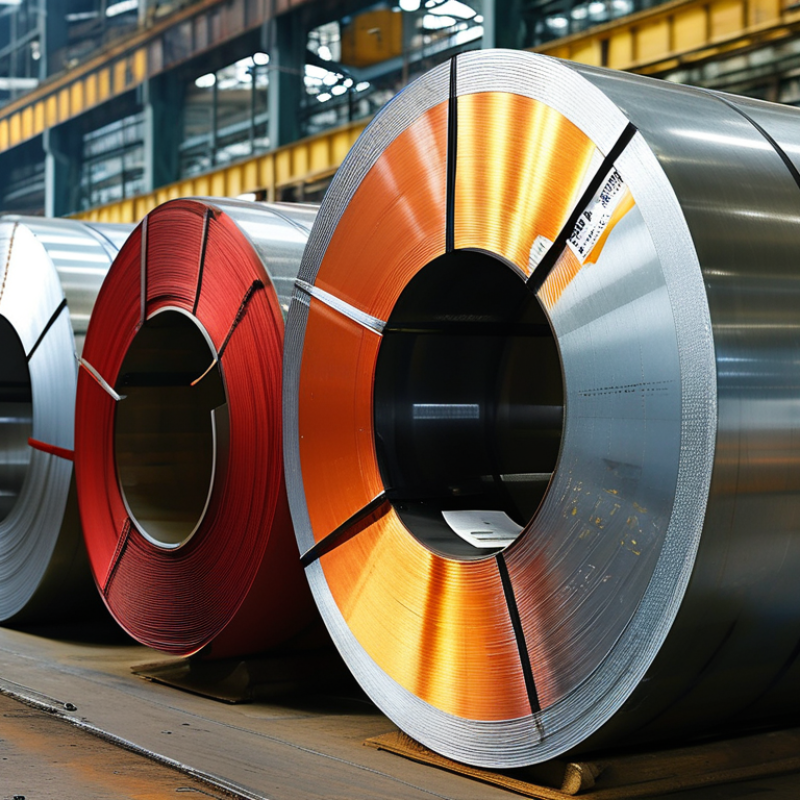
Understanding Coated Steel Coil: Definitions and Types
Coated steel coils are essential in various industries due to their durability and corrosion resistance. Understanding the types of coated steel is crucial for sourcing high-quality materials. Most commonly, you'll find galvanized, galvalume, and polymer-coated steel coils. Each type has unique properties suited for different applications. For example, galvanized steel coils offer excellent corrosion protection, making them ideal for outdoor uses.
Quality control is vital when sourcing coated steel. Ensure your supplier conducts rigorous testing, especially for adhesion and coating thickness. Recent industry reports indicate that over 70% of coating failures stem from improper application or subpar materials. Therefore, examining certifications can provide insight into a supplier's reliability.
When sourcing, prioritize the supplier's experience and expertise. A knowledgeable partner can guide you through the complexities of coated steel. Evaluate their production processes and quality assurance practices diligently. Remember that high-quality materials significantly affect the longevity and performance of your end products. Be prepared to ask tough questions regarding their sourcing and testing methodologies.
Evaluating Quality: Key Features of High-Quality Coated Steel Coil
When sourcing high-quality coated steel coil, evaluating its key features is crucial. The coating type significantly impacts durability and performance. Common coatings include polyester, PVDF, and epoxy. Each has unique attributes that cater to different applications. For instance, PVDF provides superior UV resistance. It can withstand extreme weather conditions better than others.
The surface finish plays an essential role in the quality assessment. A smooth finish indicates high-quality manufacturing. Look for coils with an even, consistent texture. Uneven surfaces can suggest poor quality. Additionally, consider the thickness of the coating. Thicker coatings generally offer better protection against corrosion.
Another aspect to evaluate is adhesion. High-quality coated steel should have strong adhesion between the steel and coating. If the coating peels easily, it's a red flag. Testing adhesion can involve a simple scratch test. It's not always definitive, but it provides valuable insight. Review the manufacturer's specifications for coating thickness and adhesion standards. This information aids in making informed decisions. Remember, not all products meet the same quality standards.
Sourcing Strategies: Effective Channels for Procurement
When sourcing high-quality coated steel coils, choosing the right procurement channels is crucial. Research shows that 60% of buyers prefer established suppliers with proven track records. This trend emphasizes the need for a thorough vetting process. Online marketplaces can present an array of options, but they also carry risks. The quality assurance of products can be inconsistent. Buyers should always request material certifications and conduct regular quality checks.
Collaborating with industry experts can significantly enhance sourcing strategies. Engaging consultants who specialize in coated steel can provide valuable insights. Many industry reports indicate that 40% of procurement failures stem from a lack of technical knowledge among buyers. Networking at trade shows also offers an opportunity to discover new suppliers and innovations. Building relationships can help ensure access to high-quality materials.
- Always sample materials before placing bulk orders.
- Leverage technology for real-time price comparisons.
- Evaluate suppliers based on their sustainability practices.
Sourcing high-quality products is a continuous journey. Reflecting on past procurement challenges can lead to better decision-making. Taking the time to assess each channel's reliability can ultimately strengthen supply chains.
Assessing Suppliers: Criteria for Selecting Reliable Manufacturers
When sourcing high-quality coated steel coils, it’s crucial to assess potential suppliers effectively. Look for manufacturers with a solid track record. ISO certifications can indicate a commitment to quality. According to the World Steel Association, companies with such certifications display fewer defects and better overall performance.
Another vital factor is production capacity. Suppliers should demonstrate they can meet your volume needs without delays. One report indicated that 72% of manufacturers face disruptions due to inadequate source capacities. This impacts supply chain efficiency significantly, so consider asking for references to validate claims.
Engaging in supplier audits can reveal essential insights. Visiting the manufacturing facility allows you to inspect processes firsthand. Ask questions that challenge their quality assurance procedures. A manufacturer’s willingness to share detailed quality metrics can be revealing. You want to ensure they use high-quality raw materials and maintain strict standards throughout production.
Remember to look for transparency in pricing. Hidden costs can strain your budget. Negotiate terms that ensure clarity in your agreement. Building a solid relationship with dependable suppliers can enhance long-term cooperation, leading to better outcomes for both parties. Quality assurance practices greatly impact the end product. Review past performance and reliability before making decisions.
Cost Considerations: Balancing Quality and Budget in Sourcing
When sourcing high-quality coated steel coils, cost considerations play a critical role. It's essential to establish a budget that reflects the quality you desire. Quality materials often come at a premium. Balancing costs and quality is an art. Sometimes, cheaper options may lead to higher long-term expenses. Poor quality can affect performance and lead to costly repairs.
Evaluating suppliers is essential as well. Not all sellers provide the same level of quality. Request samples to assess the material before committing. This process can save money and time. However, be aware that this can slow down your project timeline. A well-informed choice often means juggling various factors, including delivery times and price levels.
Do not overlook the importance of certifications. Verify that potential suppliers meet industry standards. However, certification alone does not guarantee quality. Review customer feedback and case studies when possible. Trustworthy suppliers should have a track record of reliability and performance. Reflecting on these diligence areas can ultimately lead to a better sourcing strategy.