
Blog

You are here:

Best Milling Machinery Manufacturers in China?

Choosing the best Milling Machinery manufacturers in China requires more than comparing prices. A dependable supplier should demonstrate engineering depth, factory discipline, and consistent after-sales support. Buyers should examine product specifications, test reports, spare-parts availability, and real installation records.

Dr. Sun Baoguo, a grain-processing equipment consultant, once said, “A milling line proves its value through stable output, not impressive brochures.” This principle matters when evaluating Chinese manufacturers. A modern flour mill may include roller mills, plansifters, purifiers, pneumatic conveyors, and automated control panels. Each component must work together. Small alignment errors can affect particle size, energy use, and production downtime.

Factory evidence matters.

A serious review should compare manufacturers across several practical areas. These include processing capacity, motor efficiency, food-contact materials, maintenance access, commissioning support, and operator training. Visiting a production facility can reveal details that websites often omit, such as welding quality, cable organization, and the condition of stored components. Customer references are also valuable, although they may not represent every operating environment.

Some information may remain incomplete. Public rankings can favor marketing visibility rather than technical performance. A lower quotation can also conceal installation costs, delayed spare parts, or limited engineering support. Therefore, this guide focuses on verifiable capabilities and long-term operating value. It considers manufacturers serving wheat, maize, rice, and other grain-processing applications. The goal is practical clarity, not an absolute verdict. Manufacturers change, and buyer requirements differ. A suitable partner must match the mill’s raw materials, capacity target, budget, and local service expectations.
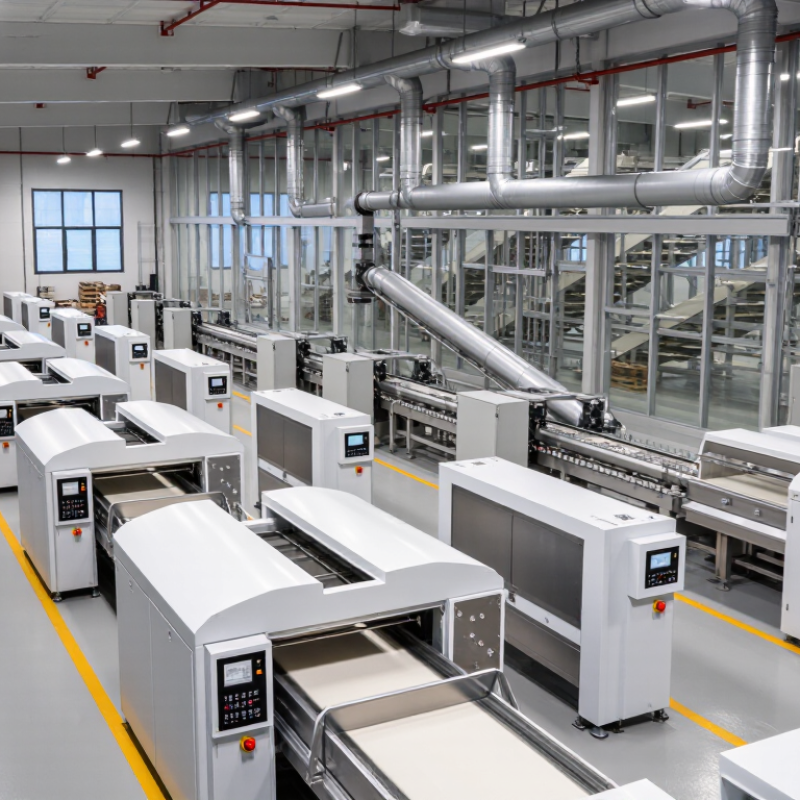
Best Milling Machinery Manufacturers in China?

What Defines a Leading Milling Machinery Manufacturer in China

A leading milling machinery manufacturer in China is defined by more than a polished catalog. In practice, capability appears on the shop floor: calibrated inspection tools, controlled assembly areas, and technicians who can explain each tolerance. A serious manufacturer records spindle runout, table alignment, vibration, and thermal drift before shipping. These details matter when a machine cuts steel for eight hours, not just during a short demonstration. Factory experience also shows in the questions engineers ask about material, batch size, coolant, tooling, and operator skill. Good questions prevent expensive mismatches.

Professional knowledge must be measurable. Buyers should request test-cut reports, accuracy data, maintenance schedules, and traceable component records. A reliable supplier can explain how casting stress is managed and how ball screws, guides, motors, and control systems are tested together. It should provide installation guidance, training, spare-part availability, and responsive technical support. Support is not a promise on a webpage. It is a technician answering a fault code at 6 a.m. local time.

Authority grows through verified performance, not loud claims. Ask for comparable installations, acceptance criteria, and independent inspection options. I have seen attractive machines fail because software training was too brief or foundations were ignored. That lesson is easy to overlook. No manufacturer gets every detail right. The stronger ones admit limitations, document corrective actions, and improve designs after field feedback. A careful audit of records, sample parts, and service procedures often reveals more than a showroom visit.

Key Types of Milling Machinery Made by Chinese Manufacturers

Best Milling Machinery Manufacturers in China?

Chinese manufacturers produce several milling machine types for different production demands. Vertical machining centers remain widely used for molds, fixtures, and general components. Their upright spindle improves visibility and suits compact workshops. Horizontal machining centers support heavier cutting and better chip evacuation. They often serve automotive, energy, and industrial parts production.

Five-axis machining centers handle complex surfaces with fewer setups. They can machine turbine parts, medical components, and aerospace structures accurately. Gantry milling machines process large plates, frames, and welded structures. Their rigid columns reduce vibration during deep cutting. Universal milling machines combine flexibility with lower investment. They remain practical for maintenance departments and small-batch work.

CNC bed mills offer stable support for medium-sized workpieces. Knee mills are simpler and useful for training, repair, and prototype jobs. Some Chinese factories also produce engraving and high-speed milling equipment for aluminum, plastics, and detailed molds. Specifications can look impressive. Actual performance depends on spindle quality, guideway accuracy, thermal control, and assembly standards. Experienced buyers should inspect test cuts, calibration records, and after-sales response. A low price may hide weaker software support or inconsistent finishing. That matters.

Manufacturing quality is not identical across every supplier. Buyers should compare machine rigidity, controller compatibility, component traceability, and operator training. Factory audits and sample machining reveal more than brochures. The best choice depends on material, tolerance, batch size, floor space, and future expansion. A machine that excels in steel may perform poorly on delicate aluminum work. Careful testing prevents expensive assumptions.

Key Types of Milling Machinery Made by Chinese Manufacturers

The chart compares the typical maximum number of controlled axes available in major milling-machine categories. More axes generally support more complex machining geometries and fewer workholding changes. Specifications vary by machine configuration and are not a ranking of manufacturers.

How to Evaluate China’s Milling Machinery Manufacturers

Choosing the best milling machinery manufacturer in China requires more than comparing prices. Examine factory experience, engineering capability, and production consistency. Ask for detailed specifications, including spindle speed, positioning accuracy, table load, and control-system options. A reliable manufacturer should explain these figures clearly, not hide behind vague promises.

Request videos of machines cutting real materials, not only polished showroom footage. Check sample parts with measured tolerances and surface-finish results. Review inspection records for critical components, such as guideways, ball screws, and spindles. Independent testing can strengthen your decision. Also contact recent customers and ask about delivery accuracy, installation support, spare parts, and response times. A low quotation may become expensive when technical support is weak.

Tips: Visit the facility if possible. Watch assembly work closely. Are measuring tools calibrated? Do operators follow documented procedures? Compare the same test material across several machines. Ask how defects are recorded and corrected. Do not accept every certificate without verification. One common mistake is trusting photographs too quickly. A clean factory matters, but process discipline matters more. Consider total ownership costs, including training, maintenance, tooling, energy use, and downtime. Even experienced buyers can overlook after-sales details when focusing on machining speed. Insist on a written acceptance test with measurable standards before final payment.

Best Milling Machinery Manufacturers in China? - How to Evaluate China’s Milling Machinery Manufacturers

No. Evaluation Dimension Recommended Evaluation Standard Evidence to Request from the Manufacturer Suggested Weight Suggested Score
1 Product Fit and Machine Configuration The machine should match the workpiece material, dimensions, tolerances, production volume, and required operations such as face milling, slotting, drilling, or contouring. A completed technical questionnaire, machine layout, working envelope, spindle specification, axis travel, table load, and sample-part review. 15% 1–5
2 Accuracy and Repeatability Published positioning accuracy and repeatability should be supported by recognized test methods, acceptance criteria, and inspection records. Factory acceptance test results, calibration records, laser-interferometer reports where applicable, and dimensional inspection results for test parts. 15% 1–5
3 Spindle and Cutting Performance Assess spindle speed range, motor power, torque curve, taper type, runout, tool-holding method, and performance under the intended cutting conditions. Spindle test data, runout measurement, continuous-load test, cutting demonstration, tool-change specification, and recommended cutting parameters. 12% 1–5
4 Structural Rigidity and Thermal Stability A rigid casting or fabricated structure, suitable guideways, effective vibration control, and thermal compensation help maintain machining consistency. Machine mass, structural drawings or specifications, vibration test results, warm-up procedure, thermal drift data, and long-cycle machining samples. 10% 1–5
5 Control System and Automation The control system should support the required programming method, tool management, probing, data transfer, alarms, and operator safety functions. Control-system specification, sample programs, interface details, option list, remote-diagnostics capability, and operator training plan. 10% 1–5
6 Quality Management and Traceability A documented quality system should control incoming materials, in-process inspection, final assembly, calibration, nonconformities, and corrective actions. Quality certificates, process-control records, inspection plans, serial-number traceability, calibration certificates, and corrective-action examples. 12% 1–5
7 Compliance and Machine Safety The machine should satisfy applicable requirements for guarding, emergency stops, electrical safety, noise, documentation, and destination-market compliance. Risk assessment, electrical diagrams, safety test records, declaration documents, user manual, conformity certificates, and inspection of guards and interlocks. 10% 1–5
8 Service, Spare Parts, and Training Evaluate installation support, response times, spare-parts availability, preventive-maintenance guidance, troubleshooting, and operator training. Service-level agreement, spare-parts list, recommended inventory, support channels, training schedule, installation scope, and warranty terms. 10% 1–5
9 Total Cost of Ownership Compare purchase price together with tooling, installation, freight, utilities, maintenance, consumables, downtime risk, and expected service life. Detailed quotation, energy requirements, maintenance schedule, consumables list, warranty coverage, lifecycle-cost estimate, and payment terms. 6% 1–5
Scoring Guide: 5 = Excellent documented capability; 4 = Strong capability with minor gaps; 3 = Acceptable but requires verification; 2 = Significant evidence gaps; 1 = Does not meet the stated requirement.
Recommended Decision Rule: Shortlist manufacturers that achieve at least 4 out of 5 for product fit, accuracy, safety, and after-sales service, and require objective evidence before placing an order.

Leading Chinese Manufacturers by Product Category and Application

Best Milling Machinery Manufacturers in China?

Chinese milling machinery manufacturers are best compared by product category and application, not catalog size. Vertical machining centers suit general metal parts, mold bases, and maintenance workshops. Horizontal models handle heavier cutting and improve chip evacuation on repeated production runs. Five-axis machines fit aerospace-style contours, medical components, and complex tooling, but they require stronger programming skills and careful fixture planning.

For aluminum housings, look for high spindle speed, rigid linear guides, and stable coolant delivery. Steel shafts demand torque, vibration control, and reliable thermal compensation. Manufacturers serving these applications should provide cutting tests with your actual material. Ask for measured cycle times, surface roughness, positioning accuracy, and tool-life records. Factory visits also reveal practical details, such as spindle assembly areas, inspection equipment, and calibration routines.

Food, mineral, and chemical powder applications need different milling systems. Pin mills, hammer mills, and air-classifier mills should be matched with particle size, moisture, heat sensitivity, and cleaning requirements. A responsible manufacturer explains these limits clearly. It should also provide material certificates, electrical documentation, maintenance schedules, and traceable inspection reports. No supplier is perfect. A polished demonstration may hide difficult changeovers or slow technical support. I would request reference samples, a witnessed acceptance test, and spare-parts availability before ordering. The cheapest quotation can become expensive when one small tolerance problem stops production.

How to Choose the Best Manufacturer for Your Production Needs

Best Milling Machinery Manufacturers in China?

How to Choose the Best Manufacturer for Your Production Needs

Choosing a milling machinery manufacturer requires more than comparing prices. Define your production needs clearly, including material, batch size, tolerance, and available floor space. A machine for aluminum prototypes may not suit continuous steel production. Be specific.

Ask for measurable evidence. Review spindle speed, positioning accuracy, repeatability, table load, and control-system compatibility. Request a sample test cut using your material and drawing. Inspect the finished part with recorded measurements, not only photographs. A reliable manufacturer should explain tool wear, coolant requirements, maintenance intervals, and expected cycle times.

Evaluate the factory, not just the sales office. A video audit can show assembly areas, inspection equipment, and storage conditions, although an independent visit offers stronger evidence. Check calibration records and quality procedures. Speak with recent customers about delivery accuracy and technical support. Response time matters when a machine stops during a night shift.

Request a detailed quotation covering installation, training, spare parts, software, warranty limits, and shipping preparation. Hidden exclusions often create avoidable costs. I once assumed a lower quotation represented better value; the missing tooling package changed that judgment. That mistake remains useful. Compare total operating cost over several years, including electricity, maintenance, rejected parts, and operator training. A capable manufacturer will discuss limitations honestly. Perfect promises deserve caution.

Go to Top