Top 10 Hygienic Design Food Sorters in China for Global Buyers?
In recent years, the demand for hygienic food processing solutions has surged globally. Among these, the Hygienic Design Food Sorter stands out as a crucial tool. These machines play a vital role in ensuring food safety and quality. They are engineered to minimize contamination risks throughout the sorting process.
China has emerged as a leader in manufacturing top-tier food sorting technology. The country's innovative designs prioritize hygiene and efficiency. Global buyers benefit from a wide range of options tailored to meet diverse needs. High standards of production ensure reliability and effectiveness in food sorting.
However, not all products are created equal. Some machines may lack the rigor needed for optimal hygiene. Buyers must conduct thorough research. It's essential to consider factors like material quality and maintenance. Engaging with reputable manufacturers can also make a difference. Ultimately, choosing the right Hygienic Design Food Sorter is crucial for food safety and organizational success.
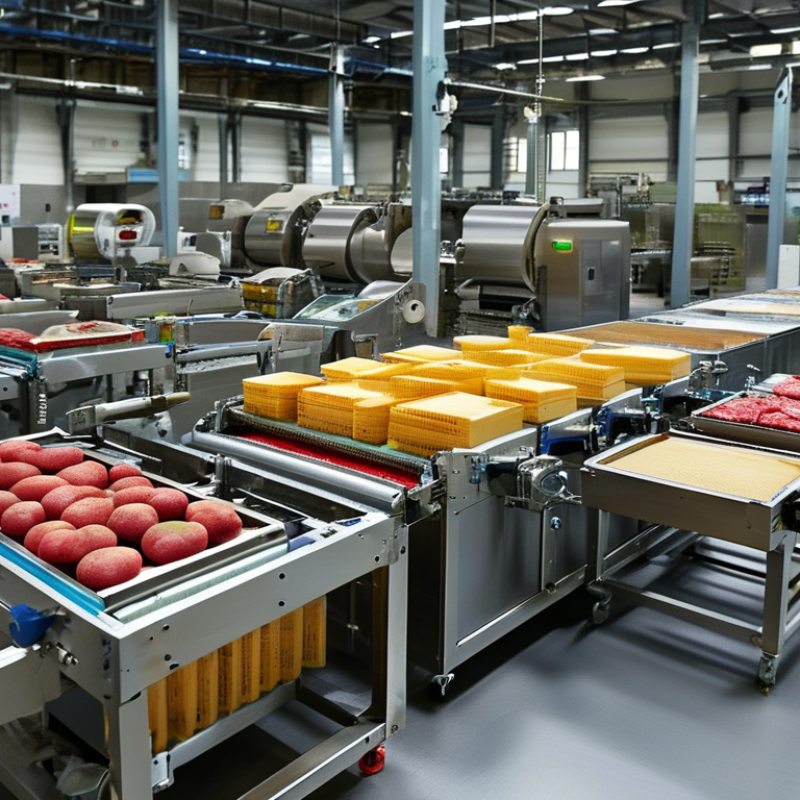
Top Hygienic Design Principles in Food Sorting Equipment
In food sorting equipment, hygienic design principles are crucial for maintaining safety and quality. Equipment must have smooth surfaces that are easy to clean. This prevents the buildup of bacteria and ensures a hygienic environment. Manufacturers often choose stainless steel for its durability and resistance to corrosion. Yet, even stainless steel can harbor contaminants if not maintained properly.
Another key principle is the design for disassembly. Equipment should allow for easy access to all components. This is vital for sanitation processes. Workers should be able to take apart machines quickly without specialized tools. However, some machines are overly complex. Designers need to strike a balance between functionality and simplicity.
A focus on drainage is also essential. Systems must prevent water accumulation, which can lead to microbial growth. Proper drainage channels are necessary, but they should not complicate the design. Some designs might overlook this aspect, leading to potential hygiene issues. Continuous improvement is needed in these areas to achieve optimal hygienic standards in the food industry.
Key Features of Food Sorters for Hygienic Design
Hygienic design in food sorters is crucial for ensuring food safety. Such sorters should be easy to clean, minimizing the risk of contamination. Smooth surfaces and rounded corners eliminate dirt traps. The use of non-porous materials is essential, as they resist bacteria growth.
Ergonomic design is another key feature. Operators should find it easy to handle and operate these machines. Features like adjustable height can enhance usability. Transparent panels allow for monitoring without opening the unit.
However, achieving a perfect design can be challenging. Some sorters may still collect residues in hidden areas. Regular maintenance and checks are necessary to uphold hygiene standards. Not all designs anticipate every operational scenario. Continuous improvement based on user feedback is essential for development.
Leading Companies in China Specializing in Food Sorters
The demand for hygienic food sorting solutions is growing. Chinese companies are stepping up to meet global standards. These firms focus on advanced hygiene practices and reliable sorting technologies. Their systems excel in minimizing contamination risks, crucial for food safety.
Leading companies invest in research and development. They prioritize user-friendly designs that enhance operational efficiency. Many products now feature easy-to-clean materials. This focus on hygiene is vital for compliance with international food safety regulations. However, not all manufacturers achieve the same standards. Variability exists in design and effectiveness among different providers.
Quality control remains a major concern. Some companies struggle to maintain consistent quality across batches. This inconsistency can impact food safety and operational reliability. Buyers should carefully assess supplier capabilities and certifications. Transparent communication is essential for establishing trust. Choosing the right partner can significantly influence operational success in the food sorting industry.
Global Buyer Considerations for Food Sorting Equipment
When selecting food sorting equipment, global buyers must focus on hygiene. Equipment should be designed to minimize contamination risks. Smooth surfaces are essential. They help prevent food particles and bacteria from clinging. Easy-to-clean designs are crucial. They save time and ensure compliance with safety standards.
Buyers should consider materials as well. Stainless steel is preferred for its durability and resistance to corrosion. However, not all stainless steel is the same. Different grades offer varying levels of protection. Ensure that the materials meet food safety regulations. This is essential for long-term reliability.
But there are challenges. Some designs may appear hygienic but conceal potential issues. Hidden crevices can trap food particles. It’s vital to inspect products for these flaws. Buyers should seek equipment that balances aesthetics with functionality. In this ever-evolving market, we must remain vigilant. Continuous reflection on design choices can lead to improved hygiene practices and better equipment selection.
Case Studies of Successful Hygienic Food Sorter Implementations
In recent years, the food industry in China has seen a significant shift towards hygienic design in food sorting equipment. Research indicates that hygienically designed food sorters can reduce contamination risks by up to 70%. One notable case study involved a large-scale food processing plant that implemented a new sorting line, leading to a 30% reduction in spoilage due to improved cleaning protocols.
A different approach utilized advanced materials and seamless designs, aiming to eliminate bacteria shelters. This strategy saw a manufacturer boost its operational efficiency. Inspection reports highlighted that after implementation, the normal maintenance time decreased by 40%, indicating a need for continual evaluation. However, some facilities struggled with staff training on the new systems, underscoring the human elements in technological adoption.
Moreover, using data from industry reports reveals that companies prioritizing hygienic design are often more competitive. A sector analysis showed that these companies enjoyed a 20% increase in market share. As the global demand for safety and hygiene rises, these case studies serve as critical lessons, demonstrating that adherence to hygienic principles can yield significant operational benefits. Yet, maintaining these standards requires constant vigilance and adaptation, reminding us that perfect implementation is an ongoing goal, not an endpoint.