Top 5 Gypsum Board Types for Optimal Construction Needs?
When constructing modern buildings, choosing the right materials is essential. Gypsum Board is a preferred option in the construction industry. According to Dr. Emily Carter, a leading expert in building materials, "The right gypsum board can significantly enhance the quality of your project." This highlights the importance of understanding the different types of gypsum boards available.
In today’s market, various gypsum board types cater to specific construction needs. Each type serves a unique purpose, whether it's for moisture resistance or soundproofing. Builders must consider these factors to ensure optimal performance. The choice can make or break a project’s integrity and design.
While many opt for standard gypsum boards, this might not always be the best approach. Each construction environment has its challenges. Understanding the nuances of each gypsum board type is key. With so many available options, selecting the right one requires careful thought and reflection. Investing in quality materials will ultimately lead to a more successful outcome.
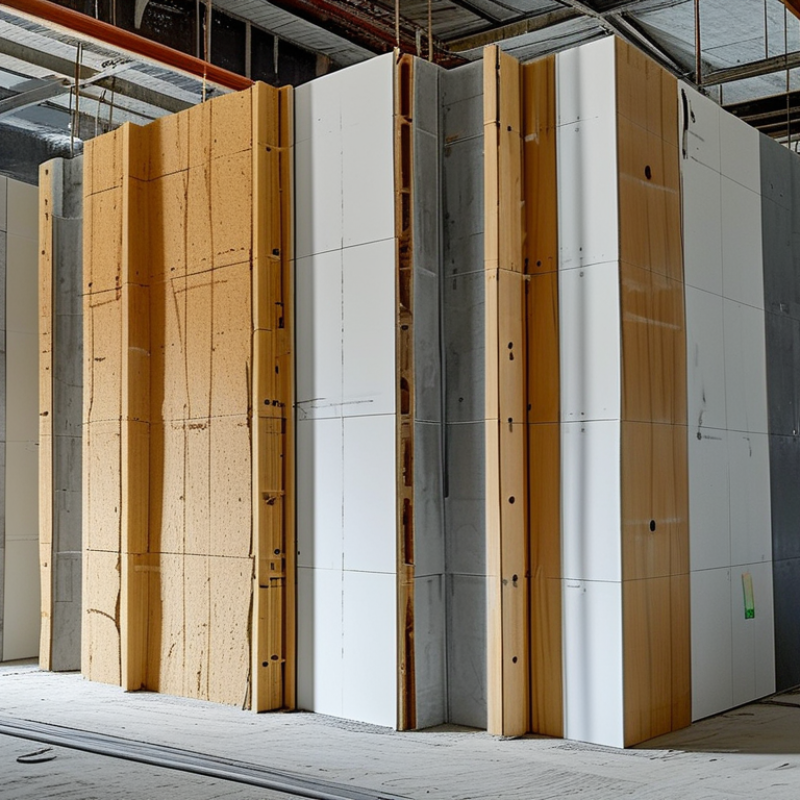
Types of Gypsum Board Based on Fire Resistance Properties
When selecting gypsum boards, understanding fire resistance properties is crucial. Types of gypsum boards vary widely, impacting safety and functionality. For example, Type X gypsum board is known for its enhanced fire resistance. It contains glass fibers, making it suitable for areas requiring high fire safety standards, such as commercial buildings.
Another option is Type C gypsum board, which offers even better performance. This board is designed to withstand prolonged exposure to fire, thanks to its unique formulation. It expands when exposed to heat, creating a protective layer. This characteristic is essential for buildings with stringent fire codes.
**Tips:** Consider the specific requirements of your project. Assess local fire codes and regulations to determine the most suitable type. Pay attention to the board's thickness, as thicker boards can provide greater fire resistance. Not every type will suit a residential space; choose wisely based on your construction needs.
When reflecting on choices, think about the installation process. Some boards may require special handling and finishing techniques. Take your time to weigh options against project goals. A wrong choice can lead to increased costs or safety risks later.
Moisture-Resistant Gypsum Boards for Humid Environments
In humid environments, moisture-resistant gypsum boards are essential for maintaining structural integrity. These boards are specially formulated to withstand moisture and prevent mold growth. They feature a water-resistant core and special additives to enhance durability. This makes them ideal for areas like bathrooms and kitchens.
Installing moisture-resistant gypsum boards requires attention to detail. Proper sealing at joints and edges is crucial. Even the best boards can fail if installed poorly. Ensure that all surfaces are clean and dry before installation. Regular inspection after installation can identify early signs of moisture damage.
While moisture-resistant boards offer great protection, they are not invincible. Overexposure to water can still lead to deterioration. Understanding the limitations of these boards is vital in construction. Knowledge of local humidity levels can inform better material choices. Making informed decisions is key to effective building practices.
Top 5 Gypsum Board Types for Optimal Construction Needs
| Gypsum Board Type | Moisture Resistance | Common Applications | Thickness | Fire Rating |
| Regular Gypsum Board | Low | Residential walls and ceilings | 1/2 inch | Class A |
| Moisture-Resistant Gypsum Board | High | Bathrooms, kitchens, and laundry rooms | 1/2 inch or 5/8 inch | Class A |
| Fire-Resistant Gypsum Board | Low | Commercial buildings and areas needing fire code compliance | 5/8 inch | Class A |
| Green Board | Medium | Moist areas like shower walls | 1/2 inch | Not rated |
| Impact-Resistant Gypsum Board | Low | High-traffic areas in schools and hospitals | 1/2 inch | Class A |
Soundproof Gypsum Boards for Enhanced Acoustic Insulation
Soundproof gypsum boards play a crucial role in modern construction. They are designed to reduce noise transmission between rooms. This capability is essential in residential and commercial spaces. Effective acoustic insulation enhances comfort. It creates a peaceful living or working environment.
These boards often contain special sound-dampening materials. They can help absorb sound rather than merely block it. The thickness and density of the board impact its performance. Thicker boards usually provide better soundproofing. Choosing the right type of gypsum board matters significantly.
Installation is another area to consider. Proper installation ensures maximum effectiveness. Many people overlook gaps and joints during the process. These can undermine soundproofing efforts. It's important to follow guidelines for optimal results. Taking time to address these details can be beneficial. This awareness can lead to a quieter, more enjoyable space.
Top 5 Gypsum Board Types for Optimal Construction Needs
Flexible Gypsum Boards for Curved and Design-Driven Applications
Flexible gypsum boards are an excellent choice for curved and design-driven applications. Their unique composition allows them to bend and shape, making them perfect for creating dynamic spaces. Whether you are designing an artistic ceiling or a rounded wall, flexible boards can help you achieve a visually appealing result. Additionally, they maintain the same durability and performance standards as traditional boards.
Tips: When using flexible boards, ensure that you gradually introduce curves. Too sharp a bend may lead to cracking. Also, consider using a heat source to assist in the bending process. This can help achieve smoother, more controlled curves.
It's important to note that while flexible boards offer creative freedom, they can be tricky to install. Precision is key. An imprecise cut may not provide a tight fit, resulting in gaps. Furthermore, securing these boards properly is essential for maintaining their shape over time. Test your installation methods on smaller sections before committing to larger areas.
Eco-Friendly Gypsum Board Options for Sustainable Building Practices
Eco-friendly gypsum boards are gaining popularity in modern construction. These boards not only provide excellent durability but also contribute to sustainable practices. Made from recycled materials, they minimize waste and reduce environmental impact. Builders are now more aware of green options that align with eco-conscious goals.
Tips: When selecting gypsum boards, look for certifications indicating sustainability. Focus on options made with low-VOC (volatile organic compounds) materials. This will ensure better air quality in your space.
Using eco-friendly gypsum board can also lead to cost savings. Over time, energy-efficient designs can lower utility bills. However, some may worry about their strength and resilience. It's essential to weigh the pros and cons. Researching different types of boards helps in making informed decisions. The industry continues to evolve, and improvements are being made regularly.
Consider the source of materials. Local options might decrease transportation emissions. While eco-friendly boards may have a higher upfront cost, benefits can outweigh initial expenses. Balancing budget and sustainability can be challenging. Engage with knowledgeable professionals to find the right solution for your project.