Top Types of Fence Wire for Your Home Security Needs?
When it comes to home security, selecting the right fence wire is crucial. The type of fence wire you choose can impact the overall safety of your property. Different wire materials and designs offer various benefits, so understanding these can help you make a better decision.
For instance, chain-link fence wire is a popular choice due to its affordability and versatility. However, it may not provide maximum privacy. On the other hand, barbed wire can deter intruders but might not be the best option for homes with children or pets. Another choice is welded wire, which offers strong protection while maintaining visibility.
Choosing the right fence wire also involves considering your specific needs. Some homeowners might prioritize aesthetics, while others focus solely on security. Reflecting on what matters most to you will help narrow your options. Ultimately, finding the best fence wire is about balancing safety, cost, and appearance for your home.

Types of Fence Wire: An Overview of Options for Home Security
When considering fence wire for home security, several options come to mind. Common choices include chain link, barbed wire, and welded wire.
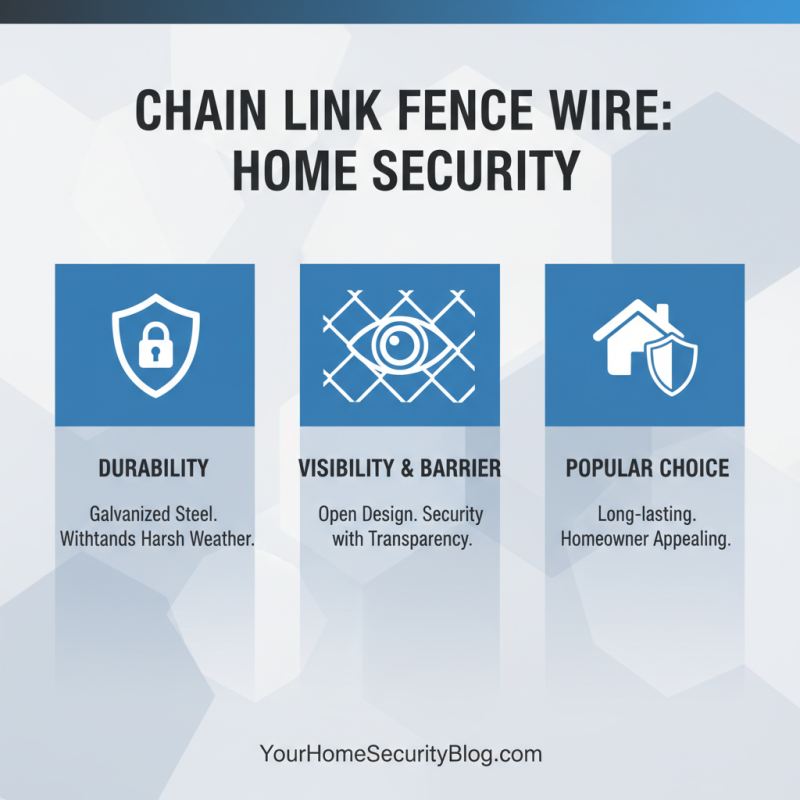
Chain link fencing, for instance, offers durability and visibility. According to industry reports, this type of fencing can deter intruders due to its height and strength. However, it does not provide complete privacy.
Barbed wire is another tough contender. It serves an intimidating purpose with its sharp edges. Research indicates that properties with barbed wire are less likely to experience break-ins. Still, there are ethical implications to consider.
Residential areas might not welcome such a harsh form of security.
Welded wire is gaining popularity for its robustness. It also blends better in residential settings. This type resists bending and breaking, which enhances security ratings. However, it can be costly. Homeowners often weigh cost against effectiveness when choosing. Each option has its unique strengths. It’s essential to reflect on what aligns with your specific needs and community standards.
Advantages of Using Barbed Wire for Enhanced Protection
Barbed wire is a popular choice for home security. Its sharp edges deter intruders effectively. Installing barbed wire on your property can create additional layers of protection. This type of fencing is not only tough but also intimidating. Potential trespassers may think twice before attempting to cross it.
Using barbed wire is affordable compared to other security measures. It's easy to install and maintain. Many people appreciate its durability, as it withstands harsh weather. However, homeowners should consider its appearance. It may look aggressive and unwelcoming. This may not sit well with everyone's aesthetic preferences.
Additionally, the safety of pets and children can be a concern. While it offers excellent security, barbed wire can pose risks. It’s important to weigh these factors. You want to keep your family safe while enhancing your property’s security. Finding a balance between safety and aesthetics is key.
How Electric Fence Wire Provides an Additional Layer of Security
Electric fence wire stands out as a powerful security measure for homes. It acts as a deterrent against intruders. A recent industry report highlighted that electric fences reduce trespassing risks by up to 90%. This statistic indicates their effectiveness in preventing unauthorized access. Homeowners may feel more secure knowing that an electric fence adds an extra layer of protection.
The functionality of electric fence wire is straightforward yet crucial. When an intruder touches the wire, they receive a mild shock. This sensation is uncomfortable but not dangerous. According to security experts, this immediate reaction discourages break-ins. However, it's essential to install these systems correctly. Improper installation may lead to gaps that can be overlooked by potential intruders.
Maintenance is another area that often requires attention. Regular checks ensure that the electric current remains effective. Neglecting maintenance can lead to reduced security. Additionally, local regulations may affect the use of electric fences. Homeowners should stay informed about these guidelines. A poorly understood legal landscape can lead to unintended consequences.
Choosing the Right Gauge of Wire: What You Need to Know
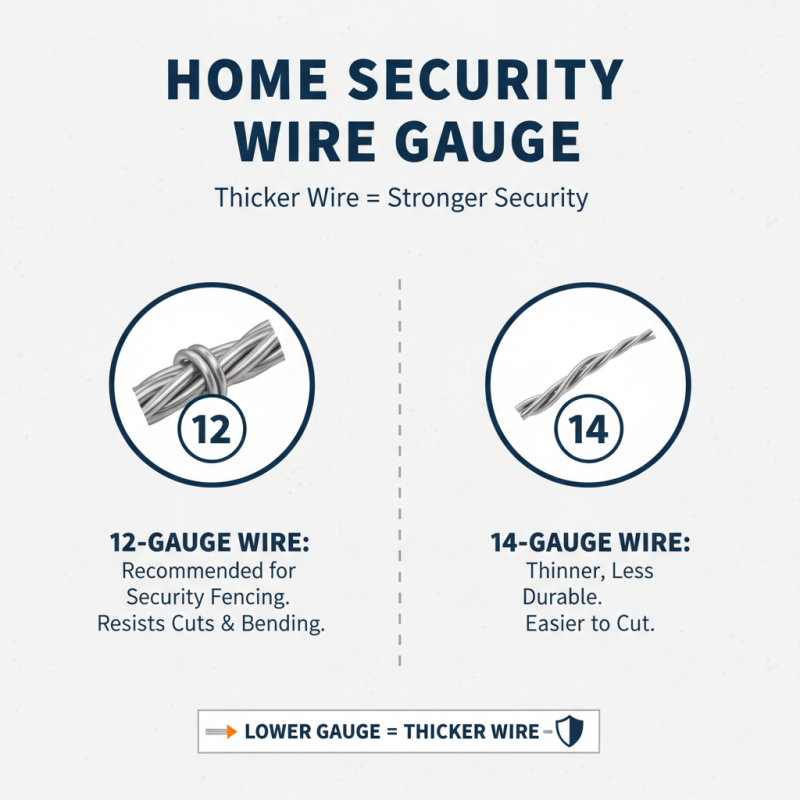
When it comes to home security, choosing the right gauge of wire is crucial. Wire gauge refers to the thickness of the wire, which affects its strength and durability. Generally, a lower gauge number indicates a thicker wire. For instance, a 12-gauge wire is stronger than a 14-gauge wire. According to industry reports, a 12-gauge wire is often recommended for security fencing due to its resilience against cuts and bending.
However, not all properties require the same gauge of wire. For urban settings with lower risks, a 14 or 16-gauge wire might suffice. On the other hand, rural properties often benefit from thicker gauges due to potential wildlife interference. A study showed that 67% of homeowners reported increased peace of mind after upgrading to thicker fencing materials. But higher gauge wires can be more expensive and may not always be necessary.
Wire quality also plays a significant role. Stainless steel wire, though pricier, can withstand rust and corrosion effectively. Meanwhile, galvanized wire provides decent protection at a lower cost but may rust over time. It's crucial to weigh options based on where you live and your specific security needs. Often, homeowners overlook these factors and face unexpected challenges later on. Reflecting on your unique situation can help ensure you are truly secure.