Top 10 Facts About Wheel Hub Bearing Units You Should Know?
When it comes to wheel hub bearing units, understanding their importance is crucial. These components are essential for vehicle safety and performance. Notably, John Smith, an expert in automotive engineering, once stated, "A car's reliability heavily depends on its wheel hub bearing units." His words highlight the significant role these parts play in our vehicles.
Wheel hub bearing units serve multiple functions. They support the vehicle's weight and allow smooth wheel rotation. However, they can be easily overlooked. Many drivers fail to recognize the wear and tear on these components until issues arise. Regular maintenance is vital to avoid unexpected failures.
Education about wheel hub bearing units can prevent costly repairs. For instance, knowing when to replace them can extend vehicle longevity. It's easy to forget their importance in daily driving. As such, understanding these facts not only enhances safety but also promotes better automotive care.
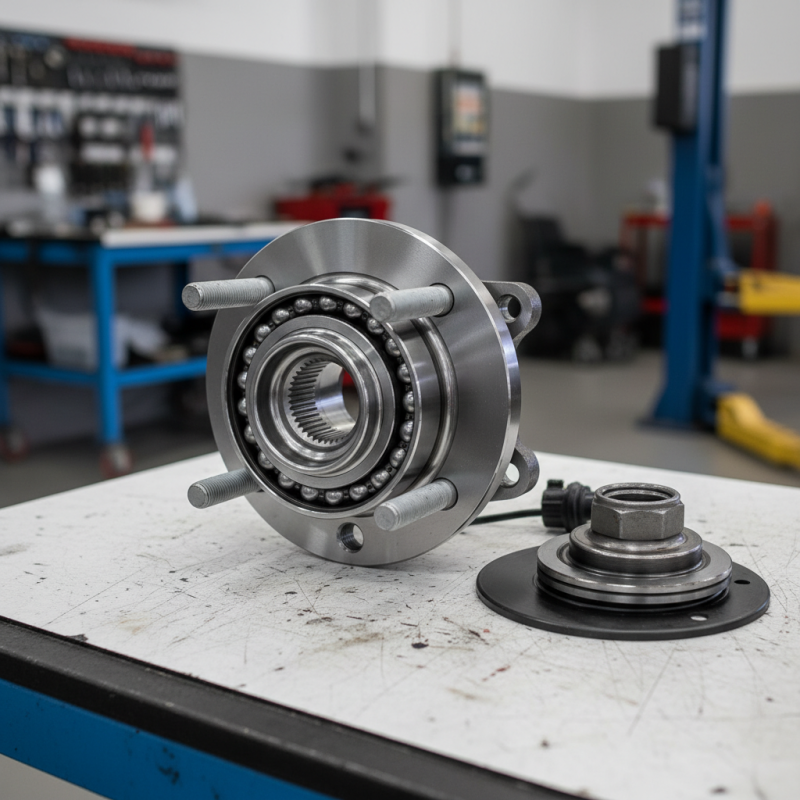
What is a Wheel Hub Bearing Unit and Its Purpose?
A wheel hub bearing unit is a crucial component of a vehicle. It connects the wheel to the axle and allows smooth movement. The unit comprises bearings and a hub, providing support to the wheel. It also helps in weight distribution. The design of a wheel hub bearing unit ensures durability and efficiency.
One essential purpose of this unit is to reduce friction. By enabling wheels to rotate freely, it enhances fuel efficiency. A faulty unit can lead to uneven tire wear and poor handling. Drivers may notice abnormal noises or vibrations when it’s failing. Addressing these signs early can prevent more significant issues.
Maintenance is key. Regular checks can extend the lifespan of the unit. However, many often overlook this part. Some schedule service only when issues arise. This reactive approach can lead to costly repairs. Understanding the role of wheel hub bearing units is essential for safe driving.
Types of Wheel Hub Bearing Units: Understanding the Differences
Wheel hub bearing units are critical for vehicle performance. They come in various types, each designed for specific functions. The main types include conventional bearings, unitized bearings, and sealed bearings. Understanding these can help you make informed decisions.
Conventional bearings have separate components. They require regular maintenance and lubrication. However, they can be more difficult to install. Unitized bearings are pre-assembled, making them easier to replace. They often provide better performance but are typically more expensive. Sealed bearings offer protection from dirt and moisture, which can prolong their lifespan. Yet, their cost may deter some buyers.
Choosing the right type is essential. Each option has benefits and drawbacks. It is important to assess your needs and driving conditions. This can help you avoid costly repairs down the road. Remember, not all units will fit every vehicle. Pay attention to specifications before making a choice.
Common Symptoms of a Failing Wheel Hub Bearing Unit
Wheel hub bearing units play a pivotal role in vehicle safety and performance. Recognizing the symptoms of a failing unit is crucial. Common indicators include unusual noises from the wheel area, which may resemble grinding or clicking. Vibrations felt through the steering wheel can signal a problem as well. According to the Automotive Service Association, about 20% of vehicle owners experience issues with wheels and bearings, making awareness essential.
Another sign is uneven tire wear. If you notice your tires wearing out at an unusual pace, inspect the wheel hub bearing units. A noticeable decrease in handling and stability can also point to failure. Research indicates that regular inspections can prevent 75% of such issues. Drivers should remain vigilant about these symptoms.
Tips: Regularly rotate your tires and engage in routine vehicle checks. This can prolong the life of your wheel hub bearings. If you hear odd noises or sense unusual vibrations, don’t ignore them. Delaying repair can lead to further complications. Keeping an eye on these aspects ensures a smoother, safer ride.
Importance of Regular Maintenance for Wheel Hub Bearing Units
Wheel hub bearing units play a vital role in vehicle safety and performance. Regular maintenance is crucial to ensure these components function correctly. Neglect can lead to costly repairs and unsafe driving conditions. A worn-out bearing can create noise, cause vibrations, and even compromise vehicle control.
Essential maintenance includes checking for signs of wear. Listen for unusual noises while driving. If something sounds off, have it inspected. Inspecting the grease level is also important. Insufficient lubrication can lead to premature wear.
Tips for maintaining wheel hub bearings:
- Regularly inspect wheel alignment and balance.
- Replace faulty seals to prevent dirt ingress.
- Ensure that the bearings are properly torqued during installation.
Pay attention to how your vehicle handles. You may notice changes over time. Don't wait for a warning light. Proactive maintenance can save money and enhance safety. Act before small issues turn critical. Your vehicle's longevity depends on it.
How to Properly Replace a Wheel Hub Bearing Unit
Replacing a wheel hub bearing unit may seem straightforward, but it requires attention to detail. Start by safely lifting the vehicle. Use jack stands to ensure stability. Lifting on uneven ground can be dangerous. Remove the wheel carefully, avoiding any damage to brake components. Don’t rush this step; ensure all lug nuts are loosened properly.
Once the wheel is off, access the hub assembly. This can be tricky if rust is involved. Clean any dirt or debris around the assembly to prevent contamination. When removing the old bearing, use the appropriate tools. A hammer can sometimes cause damage; be careful. It's easy to misalign the new bearing during installation. Make sure it fits snugly into place. Take a moment to double-check your work.
After installing the new unit, it's time for reassembly. Reinstall the wheel and tighten lug nuts to the specified torque. Lower the vehicle carefully and perform a test drive. Listen for any unusual noises. If something feels off, revisit your installation. Mistakes happen, and it's better to correct them than to drive with a faulty bearing.