
Choosing the right skin imaging system supplier requires more than comparing product prices or camera specifications. Clinics need reliable images, consistent lighting, accurate analysis, and practical support. A supplier’s reputation matters, but documented performance matters more.
This guide examines leading China-based suppliers through a professional and evidence-focused lens. It considers imaging resolution, facial analysis software, ultraviolet photography, polarized light, database security, and workflow compatibility. A useful system should capture visible details, such as enlarged pores, uneven pigmentation, fine lines, and redness, without creating misleading results. Calibration is important. Poor calibration can affect treatment assessments and patient consultations.
Supplier experience also deserves careful attention. Established manufacturers may provide stronger quality control, training, and after-sales service. However, newer companies can offer flexible software, competitive pricing, and faster customization. No supplier is perfect. Buyers should request product demonstrations, technical documents, warranty terms, and references from comparable clinics. Details matter.
The article also considers compliance, data protection, installation requirements, and long-term maintenance. These factors often receive less attention during purchasing decisions. That can become expensive later. A dependable supplier should explain hardware limitations clearly and avoid exaggerated claims about diagnostic accuracy. Independent testing and qualified professional judgment remain essential.
Readers will find a practical framework for comparing suppliers, not a simple popularity list. Market information can change, and product capabilities may vary by configuration. Therefore, each recommendation should be verified directly with the manufacturer before purchase. The strongest choice is the supplier that combines dependable technology, transparent communication, and responsive service. Evidence matters.
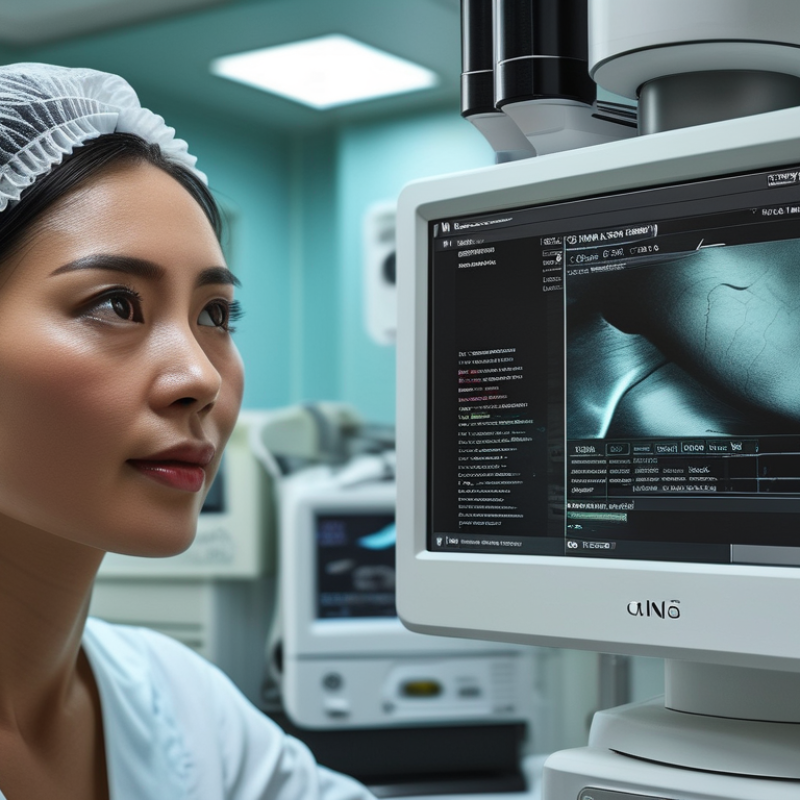
A skin imaging system is a clinical photography and analysis platform. It captures detailed images of the face or body under controlled lighting. Many systems use polarized light, ultraviolet illumination, or cross-polarized filters. These methods reveal surface texture, pigmentation, redness, pores, and moisture-related changes.
The process starts with patient positioning. A chin rest, fixed camera distance, and consistent room lighting reduce image variation. The device then records several views, often from the front and both sides. Software compares images over time and maps visible features. Some systems estimate wrinkles, spots, vascular redness, or skin tone differences. Artificial intelligence may assist with pattern recognition, but it should not replace professional examination.
In practice, reliable results depend on more than camera resolution. Calibration, image storage, operator training, and clear measurement standards matter greatly. Chinese suppliers may offer different combinations of hardware, software, and after-sales support, so buyers should request sample reports and validation details. Ask how the system handles different skin tones and lighting conditions. Ask about data protection, too. Images are sensitive health information.
It looks simple.
Yet small errors can distort comparisons. Makeup, recent sun exposure, or a changed camera angle may affect results. I have found that repeatable procedures often matter more than impressive screens. A trained clinician must interpret the images alongside medical history and direct observation. The system supports judgment; it does not provide certainty.
When assessing China-based skin imaging system suppliers, buyers should examine measurement quality before appearance. A high-quality unit captures consistent images under fixed lighting, distance, and facial positioning. It should reveal pores, pigmentation, redness, texture, and moisture without overstating minor changes. Cross-polarized and ultraviolet imaging can improve contrast, but only when calibration remains stable. The system also needs reference images, device logs, and repeatable scoring. A beautiful interface cannot repair poor data.
Market estimates require caution. Grand View Research valued the broader global skin-care devices market at about 2.8 billion dollars in 2023 and projected strong growth through 2030. IMARC Group also reported continued expansion in digital skin-analysis tools, driven by clinics and personalized skincare. These figures describe wider categories, not every imaging system. That distinction matters. Suppliers should provide validation documents, calibration procedures, software update records, and clear data-security policies. Independent testing is more convincing than sales claims. Look for results across different skin tones and lighting conditions. Many systems still perform unevenly. That weakness deserves honest disclosure.
Practical usability defines quality, too. A trained operator should complete an examination within minutes. Reports should be readable, exportable, and linked to timestamped images. Cloud access may help multi-site clinics, but encryption and permission controls are essential. Buyers should request a live demonstration, inspect raw images, and compare repeated scans on the same subject. Fancy dashboards are not enough. Reliability is measured between visits.
This reference framework evaluates the main technical capabilities commonly used when selecting a professional skin imaging system. The 0–10 scores represent relative evaluation weights: standardized lighting and image consistency are essential for reliable comparison, while multi-spectrum imaging, high resolution, 3D analysis, and software reporting support deeper skin assessment.
China’s leading skin imaging system suppliers usually serve clinics, hospitals, beauty centers, and research facilities. The strongest manufacturers combine camera hardware, polarized lighting, and analysis software. They often provide OEM and ODM development for international buyers. Their systems may capture pores, pigmentation, redness, wrinkles, and moisture patterns under controlled lighting.
Reliable suppliers usually show technical test reports, quality certificates, and clear software documentation. Experienced teams can explain image resolution, calibration methods, data storage, and device maintenance. Ask whether the system supports multilingual software and secure patient management. Request sample images from different skin tones. A polished demonstration is useful, but it does not prove long-term accuracy. I would also inspect installation training and response times for technical support.
Tips: Compare at least three suppliers before purchasing. Check the warranty, replacement parts, and software update policy. Ask for a live demonstration using real clinical workflows. Confirm whether exported reports remain readable after system updates. Some suppliers communicate confidently but provide vague performance data. That is a warning sign. Procurement decisions should consider service quality, not only the lowest quotation. A supplier with strong engineering experience may still need better documentation, so keep every requirement in writing.
| Supplier Category | Typical System Types | Core Imaging Functions | Common Application Settings | Compliance Documentation to Request | Buyer Evaluation Focus |
|---|---|---|---|---|---|
| OEM/ODM Skin Imaging Manufacturers | Multi-light facial imaging systems, dermatoscopes, and customized imaging stations | Standardized facial photography, polarized imaging, UV-related surface visualization, and image comparison | Dermatology clinics, aesthetic practices, skin-care centers, and distributor networks | Quality-management certification, electrical-safety test reports, electromagnetic-compatibility reports, and applicable market registrations | Optical consistency, software customization, private labeling, service capability, and regulatory support |
| Medical-Device-Focused Suppliers | Clinical skin analyzers, digital dermoscopy systems, and examination cameras | High-resolution lesion documentation, magnified imaging, image archiving, and patient record linkage | Hospitals, dermatology departments, outpatient clinics, and clinical research environments | Product classification, risk-management files, clinical evaluation materials, software documentation, and post-market support procedures | Clinical workflow, data security, traceability, image quality, maintenance, and local registration feasibility |
| Aesthetic-Clinic Equipment Suppliers | Facial skin analyzers with before-and-after comparison and consultation software | Visible-light imaging, pore and texture visualization, pigmentation assessment, wrinkle comparison, and progress tracking | Medical spas, beauty clinics, cosmetic consultation rooms, and treatment planning areas | Electrical-safety documentation, software terms, privacy controls, user manuals, and market-specific product claims | Ease of use, consultation reports, repeatability, lighting control, training, and integration with clinic workflows |
| Research and Laboratory Imaging Suppliers | Research-grade cameras, optical modules, microscope attachments, and configurable imaging platforms | Controlled illumination, quantitative image capture, repeatable positioning, and exportable image datasets | Cosmetic testing, university laboratories, pharmaceutical research, and product efficacy studies | Calibration records, measurement protocols, software specifications, data-export formats, and laboratory validation documents | Measurement repeatability, calibration, API or data export, lighting control, and compatibility with study protocols |
| Portable and Handheld Device Suppliers | Handheld dermatoscopes, compact analyzers, and mobile-connected imaging devices | Close-up imaging, polarized illumination, lesion documentation, and wireless or USB image transfer | Mobile screening, nursing facilities, teledermatology, field research, and multi-site clinical operations | Battery and charger safety, wireless compliance where applicable, cybersecurity information, and regional registration status | Portability, battery performance, connectivity, image-transfer security, durability, and technical support |
| AI-Enabled Imaging Software Suppliers | Camera-and-software systems, cloud platforms, and image-analysis applications | Image organization, visual scoring, trend analysis, automated classification support, and treatment progress reporting | Clinical documentation, aesthetic consultations, research databases, and multi-location management | Algorithm validation, intended-use statement, privacy policy, cybersecurity controls, software lifecycle records, and applicable software-device registration | Validation evidence, false-positive and false-negative controls, explainability, data ownership, interoperability, and human oversight |
What Are the Top China Skin Imaging System Suppliers?
How Do China’s Skin Imaging Suppliers Compare?
China’s skin imaging suppliers differ in more than camera resolution. In practical evaluations, image consistency often matters more than impressive sample photos. A reliable system should control room lighting, camera distance, and patient positioning. Look for polarized, ultraviolet, and three-dimensional imaging options when your clinic needs deeper visual comparison. Software should produce repeatable measurements, not only attractive images. Skin tone testing also deserves attention, because uneven performance can weaken clinical interpretation.
Suppliers vary widely in calibration, training, and after-sales support. Some offer flexible configurations for small clinics, while others focus on hospital-level integration. Ask whether the system exports standard reports and connects with existing patient-management software. Check response times for technical issues, replacement-part availability, and documentation quality. A supplier may provide excellent hardware but limited software guidance. That gap can become costly. My own assessment would remain cautious until repeated scans show stable results across different operators.
Tips: Request a live demonstration with controlled lighting. Test several skin tones and capture the same patient twice. Compare measurement changes, report clarity, and workflow speed. Confirm warranty terms, data protection practices, staff training, and local service coverage before purchasing. Also, avoid judging suppliers from brochures alone. Real clinic performance can be less polished.
Choosing a China-based skin imaging system supplier requires more than comparing catalog prices. Request a live demonstration with controlled lighting, a calibration card, and several skin-tone samples. Check whether the system produces repeatable images after hours of operation. Ask for measurable details: camera resolution, illumination range, software updates, and report export formats. A polished demonstration can still hide weak consistency. We learned this the hard way.
Review the supplier’s manufacturing experience and quality controls. Ask for inspection records, component traceability, warranty terms, and documented failure-response times. A reliable supplier should explain calibration procedures without vague promises. Visit the facility when possible, or arrange a video audit showing assembly, testing, and packaging areas. Independent references from clinics or laboratories are useful, but verify them directly. Not every impressive case study proves daily reliability.
Evaluate software usability with real workflows. Can staff capture an image in under two minutes? Are permissions, backups, and patient-data protections clearly described? Request a trial unit and test reports across different lighting conditions. Test it twice. Compare training, installation, spare parts, and remote support, not only the purchase quote. Suppliers should welcome technical challenges, admit limitations, and revise specifications when evidence changes. That honesty may matter more than a low initial price.
Contact Us