Top 10 Benefits of Mini Circuit Breakers for Global Buyers?
Understanding the benefits of a Mini Circuit Breaker (MCB) is crucial for global buyers. These devices play a significant role in modern electrical systems. They enhance safety and efficiency, making them a reliable choice for various applications. MCBs automatically switch off electrical circuits during overloads or short circuits. This feature protects both people and property.
Many professionals praise Mini Circuit Breakers for their compact design. Their small size saves space in electrical panels. MCBs also come with advanced technology for improved performance. They offer better protection compared to traditional fuses. However, some buyers may hesitate to switch due to misconceptions about installation complexity. It is essential to understand that MCBs can simplify maintenance tasks as well.
In selecting the right Mini Circuit Breaker, buyers must consider their specific needs. Compatibility with existing systems is vital for optimal performance. Researching different brands and models can help buyers make informed decisions. While MCBs offer numerous advantages, reflecting on proper usage and installation is necessary. Here, we will explore the top ten benefits of Mini Circuit Breakers for global buyers.
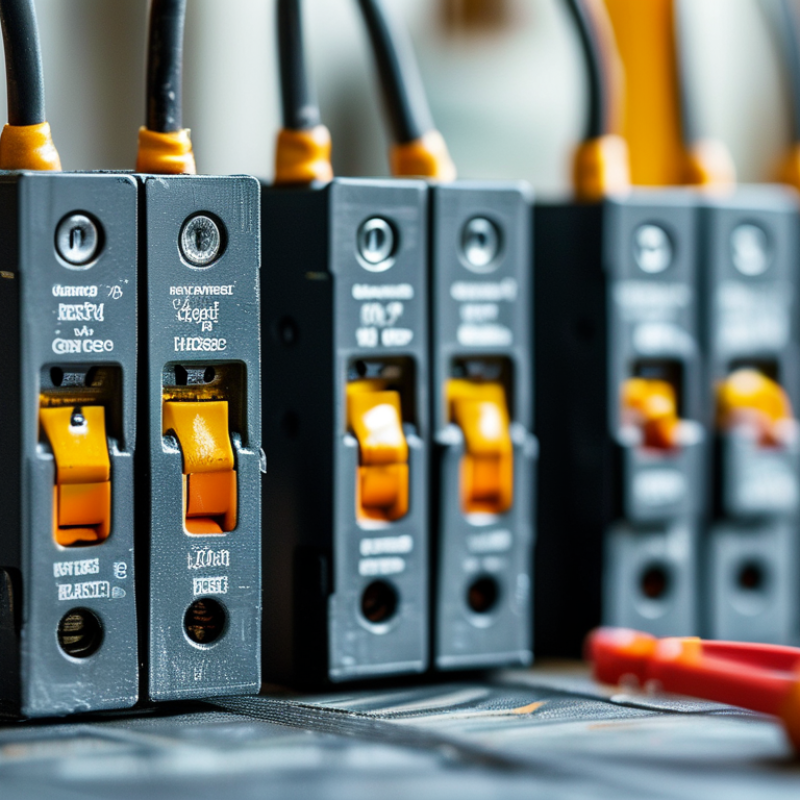
Understanding Mini Circuit Breakers: An Overview
Mini circuit breakers (MCBs) have transformed electrical protection in modern applications. They automatically cut off electricity when a fault occurs, preventing potential hazards. MCBs offer higher reliability than traditional fuses, making them a preferred choice in various sectors. According to a report by Technavio, the global mini circuit breaker market is projected to grow by 7% annually, reflecting their rising adoption worldwide.
MCBs come with different trip characteristics suited for various loads. For example, Type B MCBs are ideal for residential use. They trip with small overloads, ensuring safety in homes. On the other hand, Type C MCBs handle higher inrush currents, making them suitable for industrial applications. However, the selection process can be confusing, as buyers often overlook the specific needs of their systems. Many users still mistakenly install incorrectly rated MCBs, leading to potential failures in electrical systems.
Increased awareness of energy efficiency drives the interest in MCBs. These devices not only ensure user safety but also contribute to energy conservation in buildings. A report by Research and Markets states that adopting energy-efficient systems can lead to savings of up to 30% on electricity bills. Yet, education remains crucial. Often, buyers may fail to utilize MCBs to their full potential, limiting their benefits. Understanding MCBs enables users to enhance overall electrical safety and efficiency.
Enhanced Safety Features of Mini Circuit Breakers
Mini circuit breakers (MCBs) are gaining popularity for their enhanced safety features. One major advantage is their ability to automatically disconnect the circuit during overloads or short circuits. According to a report by the International Electrotechnical Commission, MCBs reduce the risk of electrical fires by up to 80%. This statistic underscores their critical role in preventing electrical hazards in residential and commercial settings.
MCBs also offer more reliable performance compared to traditional fuses. Fuses can degrade over time and may not provide instant protection. In contrast, MCBs react in milliseconds. This rapid response time can prevent damage to electrical appliances and enhance overall safety. A study from the Electrical Safety Foundation International found that homes using MCBs showed a 50% decrease in electrical failure incidents.
Additionally, the compact size of MCBs allows for easier installation and more efficient use of space. However, some users express concerns regarding their sensitivity. MCBs may trip unnecessarily under certain conditions, leading to frustration. Balancing sensitivity and reliability is a challenge in the industry. Despite these imperfections, the safety benefits provided by mini circuit breakers cannot be overlooked.
Energy Efficiency and Cost Savings with Mini Circuit Breakers
Mini circuit breakers (MCBs) are becoming increasingly popular among global buyers. They offer several energy efficiency and cost-saving benefits that can greatly impact your electrical systems. Using MCBs can lead to significant reductions in energy consumption. They automatically trip in case of overload or short circuits, preventing energy waste.
By switching to MCBs, businesses and homeowners alike can reduce their long-term operational costs. These devices are designed to protect electrical equipment from damaging surges while ensuring minimal downtime. Their compact size allows for easier installation in limited spaces. The enhanced safety features also lower potential repair and replacement costs over time.
When considering MCBs, assess your specific needs. You might require different ratings depending on the appliances used. Each household or business has unique demands that can affect overall energy savings. Regularly review your electrical systems. An aging system may not benefit fully from the advantages that MCBs offer.
Explore various MCB models to find the right fit. Consider factors like response time and current ratings. Be aware that not every device will perform equally in every setting. A knowledgeable electrician can help guide your choices, ensuring safety and efficiency.
Ease of Installation and Maintenance for Higher User Convenience
Mini circuit breakers (MCBs) have become essential in modern electrical systems. Their ease of installation significantly benefits users, especially those without extensive technical backgrounds. The compact size of MCBs enables quick mounting in various applications, from homes to commercial buildings. With minimal tools required, anyone can attach them securely and confidently. Regular maintenance is also straightforward. Users can easily access components for inspection or replacement, ensuring a reliable electrical supply.
Consider this: When installing MCBs, verify compatibility with the existing system. It avoids common pitfalls and enhances reliability. Many users overlook this before the installation, leading to complications later. Also, keep a clear schedule for periodic checks on the circuit breakers. This practice prevents unexpected failures and ensures safety.
Another point to reflect on is the variety of MCB types available on the market. Each serves a specific purpose, and understanding these distinctions is crucial. For instance, some MCBs are designed to handle higher current loads. Ensure you select the appropriate type for your needs to maximize performance. Relying solely on suppliers for guidance may not always yield the best outcomes. Having a basic grasp of these specifications empowers users, leading to informed decisions and enhanced safety.
Top 10 Benefits of Mini Circuit Breakers
Global Market Trends and Adoption Rates for Mini Circuit Breakers
The global market for mini circuit breakers (MCBs) is witnessing significant growth. This trend reflects a shift towards more efficient and compact electrical solutions. Many buyers are now prioritizing safety and reliability in their electrical systems. With the increasing complexity of electrical installations, MCBs are becoming vital. Their ability to avoid overloads is crucial across various sectors.
Adoption rates vary by region, driven by distinct market dynamics. Emerging markets show a rapid uptake, partly due to urbanization and the expansion of infrastructure. However, some older systems still rely on traditional circuit breakers. This hesitation can stem from the cost of upgrades and a lack of awareness about the advantages of MCBs. Education on safety benefits is essential for accelerating the transition.
As buyers explore available options, performance and compliance with standards remain paramount. Professionals in the field advocate for regular assessments to ensure optimal functionality. Some installations may experience challenges, such as incorrect ratings or compatibility issues. Addressing these concerns can improve efficiency and safety. Enhanced training for installers can also ensure that customers receive the best outcomes.