
Blog

You are here:

Top 10 Silicone Windshield Wipers for Global Buyers?

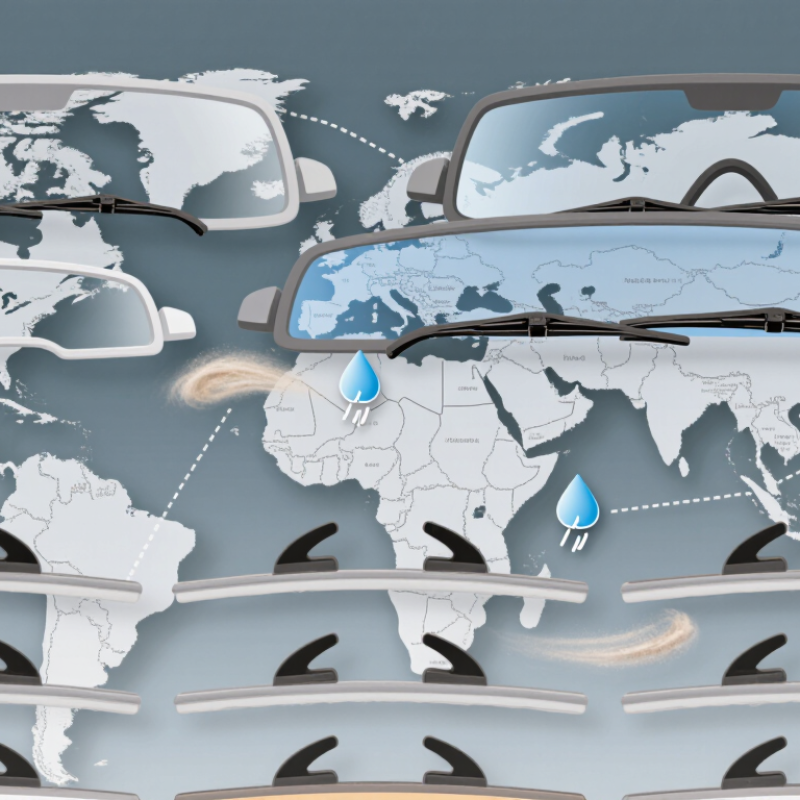
Choosing the right Silicone Windshield Wipers is more complex than comparing price tags. Global buyers face rain, dust, snow, intense sunlight, and sudden temperature changes. A blade that performs well in London may struggle on a dusty highway in Dubai. Material quality matters. So do pressure balance, connector compatibility, blade length, and long-term resistance to ultraviolet exposure.

Automotive materials engineer Elena Marquez explains, “The best silicone blade is not the softest; it is the one that keeps stable contact across changing glass conditions.” That principle guides this selection of the top 10 Silicone Windshield Wipers for international buyers. Each option deserves attention for wiping consistency, installation ease, noise control, and performance across different climates. Some products impress with smooth water removal. Others offer stronger durability or better value for frequent replacement.

No ranking is flawless. Real vehicles have different windscreen shapes, arm pressures, and washer-fluid habits. A premium blade can still streak when the glass is oily or poorly cleaned. Small details matter. Check the adapter before ordering. Confirm the exact size. Inspect the edge after several weeks, not only on the first rainy day.

This guide focuses on practical evidence rather than attractive packaging. It considers daily driving experience, construction quality, maintenance demands, and buyer confidence. The final choice should match the vehicle, climate, and driving routine—not simply the highest advertised rating.
Top 10 Silicone Windshield Wipers for Global Buyers?

What Silicone Windshield Wipers Are and How They Work

Silicone windshield wipers use flexible silicone rubber instead of conventional natural or synthetic rubber. The blade presses against glass and removes rain through a thin, continuous wiping edge. Many silicone blades also leave a water-repellent film behind. This film helps droplets gather and slide away, especially at driving speed. The effect is visible under streetlights, where scattered glare often exposes weak wiping performance.

Silicone can resist ultraviolet exposure, ozone, and temperature changes better than ordinary rubber. Its smoother surface may also reduce chattering across clean glass. However, it is not automatically superior. Dust, road oil, worn springs, or a damaged windshield can still create streaks. In practical checks, examine the wiping edge for nicks and listen for repeated skipping. Small details matter.

The Federal Highway Administration reports that weather-related conditions influenced about 21% of U.S. crashes from 2007 to 2016. That figure explains why reliable visibility deserves more attention than simple product ranking. Passenger-vehicle wiper performance is also addressed by SAE J903, which covers windshield wiping-system requirements and testing considerations. Buyers should compare blade pressure, connector fit, climate resistance, and replacement guidance. A silicone blade may last longer in harsh sunlight, but actual service life depends on washing habits and parking exposure. That part is often underestimated.

How to Evaluate the Top 10 Silicone Windshield Wipers

Choosing among the top 10 silicone windshield wipers requires more than comparing prices. Start with vehicle fit, connector design, and blade length. A correct fit prevents lifting at the edges. Check whether the silicone strip stays flexible in cold climates and resists hardening under intense sunlight. Global buyers should also consider rain patterns, dust, snow, and road chemicals in their regions.

Performance testing should include clear wipes, water-bead removal, noise, and pressure consistency. Look for testing records, material specifications, and a transparent warranty policy. Silicone quality can vary, even when two products look identical. A reliable seller should explain production controls and replacement procedures. Independent reviews are useful, but they may reflect one vehicle or one season. No ranking is perfect. Real driving conditions can change the result.

Tips: Spray clean water on a dusty windshield before testing. Never judge a blade after one wipe. Inspect the rubber edge for cuts, uneven thickness, or trapped particles. Compare several cycles at different speeds. Check packaging carefully, because bent blades may never sit evenly. A slightly higher price may indicate better materials, but price alone proves nothing. Keep photos of the installation and test results for fair comparison.

Comparing Blade Design, Durability, and All-Weather Performance

For global buyers, the best silicone windshield wipers should balance blade design, durability, and all-weather performance. The Federal Highway Administration reports that about 75% of weather-related crashes occur on wet pavement. Clear wiping is not cosmetic; it supports reaction time during heavy rain.

Our comparison of ten silicone wipers focuses on edge pressure, frame flexibility, and water-shedding behavior. A beam-style frame usually handles snow and ice better because it has fewer exposed joints. Hybrid designs can maintain steadier contact on curved glass. However, silicone is not automatically superior. Poorly molded edges may chatter, leave narrow water films, or collect dust near the cowl.

Durability testing should include heat, ultraviolet exposure, freezing cycles, and repeated wiping. The U.S. Department of Energy notes that ultraviolet radiation accelerates polymer degradation, especially in exposed outdoor components. In practical checks, a resilient blade should remain flexible after hot parking and overnight frost. Quiet operation matters too. It often reveals uneven pressure.

Small details matter.

Independent testing should measure visibility after 10,000 to 20,000 wiping cycles, not only fresh performance. That range is a useful benchmark, though it does not represent every climate. Coastal salt, desert dust, and tropical rain can shorten service life. I would also question rankings based only on laboratory glass. Real windshields contain chips, coatings, and aging scratches. Performance may change there.

Choosing the Right Silicone Wiper for Different Global Markets

Choosing a silicone windshield wiper for global markets requires more than comparing prices. Regional weather, vehicle design, and driver expectations all affect performance. In tropical markets, strong ultraviolet exposure and sudden rain demand silicone that resists hardening. In colder regions, flexible rubber compounds and reliable low-temperature movement matter more. Snow changes the decision.

Road conditions also influence blade selection. Coastal buyers may face salt spray, while inland drivers often encounter dust, pollen, or fine sand. A coated silicone edge can help maintain smooth contact, but it cannot fix a bent wiper arm. I have seen streaking blamed on the blade when the real problem was uneven windshield pressure. Fitment must be checked carefully, including arm type, length, curvature, and spoiler clearance.

Global buyers should also examine packaging, installation guidance, and replacement access. Clear diagrams help reduce fitting errors across different languages. Local stock is valuable when rainy seasons arrive unexpectedly. However, “universal” adapters can be less universal than advertised. Testing the blade on several common vehicle models is wiser than trusting one specification sheet.

A practical evaluation should include dry wiping, heavy rain, light frost, and repeated cleaning cycles. Results may differ by windshield shape. That is worth admitting. A premium material does not guarantee perfect visibility in every market. Availability, climate data, and real road testing should guide the final choice.

Installation, Maintenance, and Replacement Guidelines for Buyers

Choosing a silicone windshield wiper starts with accurate measurements. Check the vehicle manual, blade length, connector type, and arm design. Do not assume both sides use identical blades. A small mismatch can create streaks or uneven pressure.

Park the vehicle safely and lift the wiper arm carefully. Place a folded towel beneath it. This protects the glass if the arm falls. Remove the old blade according to the connector instructions. Attach the new blade until the locking tab clicks firmly. Gently pull it to confirm the connection. Test the washer system before driving. Dry glass can cause unnecessary friction and noise.

Maintenance is simple, but often ignored. Rinse the silicone edge with clean water and mild soap. Wipe away road film, insects, and fine dust with a soft cloth. Inspect the edge for cuts, curling, or hardened sections.

Replace the blade when streaking remains after cleaning, or when chatter continues on wet glass. Climate changes the replacement period. Heat, frost, salt, and strong sunlight can shorten service life. Six to twelve months is only a reference. A clean blade can still fail. Check performance during rain, not only during a visual inspection. Keep the installation guide and vehicle details for future replacement.

Go to Top