
China’s Car Film Ppf industry is entering 2026 with stronger materials, sharper competition, and higher buyer expectations. Chinese manufacturers now supply films for daily vehicles, luxury cars, commercial fleets, and professional detailing studios. Their products may look similar in catalogs. Their performance can differ greatly on a real vehicle.
Ryan Paugh, an established automotive protection-film executive, has often emphasized a practical standard: “Protection should preserve the vehicle’s appearance, not change its character.” This idea guides the ranking behind this article. A reliable manufacturer should offer stable TPU quality, clean optical clarity, controlled adhesive performance, and consistent self-healing results. Factory testing matters. So does installer feedback.
This list of China’s Top 10 Car Film Ppf Manufacturers in 2026 examines more than marketing language. It considers production capacity, research investment, coating technology, warranty transparency, export experience, and after-sales support. We also look at surface finish, stain resistance, edge performance, and how the film behaves under sunlight, road dust, and repeated washing.
No ranking is perfect. Some manufacturers disclose detailed test data, while others provide limited public information. That difference deserves attention. A glossy sample may hide weak durability. A lower price may reflect different materials, not better value. Buyers should still request current technical sheets, batch information, and installation guidance before making a decision.
The best choice depends on the vehicle, climate, budget, and installer skill. This guide offers a practical starting point, not an absolute verdict.
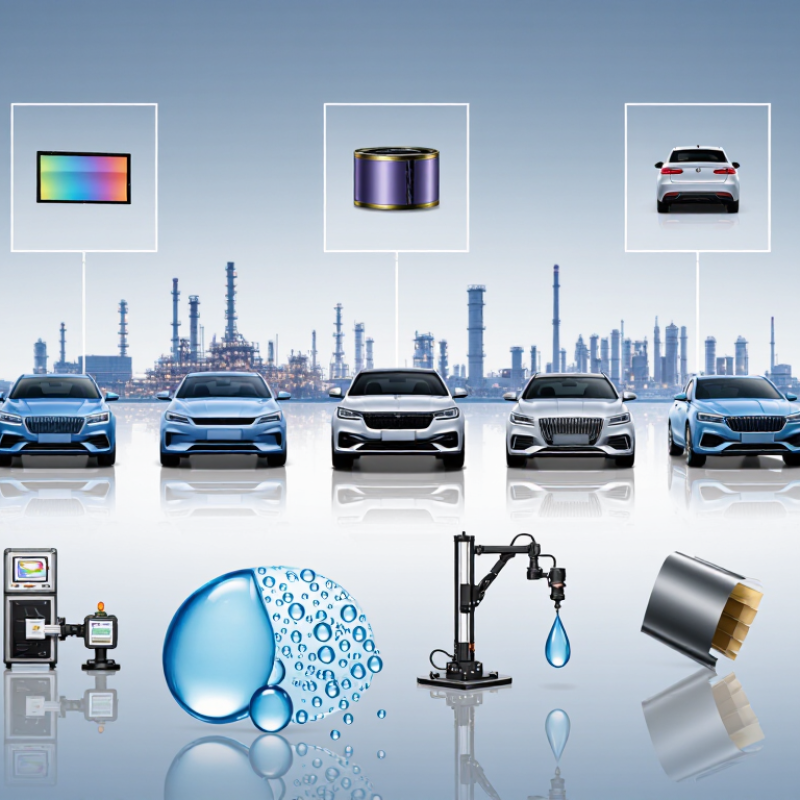
Car film PPF, or paint protection film, is a transparent layer applied to painted panels. It helps reduce damage from stone chips, road grit, insects, and light scratches. Most high-quality films use thermoplastic polyurethane, commonly called TPU. The material needs balanced flexibility, clarity, and resistance to yellowing. A film that looks clear indoors may appear hazy under direct sunlight.
Manufacturer quality matters because PPF is a precision product, not just a plastic sheet. Reliable production controls keep thickness consistent across each roll. They also improve adhesive performance, edge stability, and surface gloss. Good manufacturers test films against ultraviolet exposure, temperature changes, stretching, and moisture. They should provide measurable specifications, batch records, and clear installation guidance. Vague claims are not enough.
In practical installation, small differences become obvious. Poor adhesive can leave bubbles around mirrors and door handles. Weak topcoats may collect stains after several weeks of washing. I have also seen films cut accurately but fail because the surface became brittle during cold installation. That mistake deserves attention. Installers should inspect paint condition, use clean tools, and avoid excessive stretching. Manufacturer support matters when a roll behaves differently from its published data. No film is perfect. Even premium material can fail through careless preparation, harsh chemicals, or neglected maintenance.
Evaluating China’s leading car film PPF manufacturers requires more than comparing catalog prices. Market reports from Grand View Research estimate the global automotive films market reached several billion US dollars in the early 2020s, with continued annual growth. This expansion attracts capable factories and weak imitators. Buyers should request recent production records, not only polished brochures. Ask for TPU origin, film thickness, adhesive type, and measured light transmission. A 200-micron label means little without tolerance data.
Test the material under real conditions. Apply samples to a curved hood, then inspect edge lift after heat exposure and washing. Check gloss retention, orange-peel texture, stain resistance, and self-healing speed. Independent laboratory reports should identify testing methods, temperatures, and exposure hours. ISO 9001 certification supports process control, but it does not prove superior film performance. That distinction is often missed.
Supplier evaluation also needs factory evidence. Review coating-line cleanliness, batch traceability, inspection frequency, and rejection rates. Request aging data based on recognized standards, such as accelerated UV and weathering procedures under ISO 4892. Compare warranty terms with actual claims handling. A long warranty may hide narrow exclusions. Some manufacturers communicate well before payment, then respond slowly when defects appear. That is a warning.
Purchase a small trial batch. Install it through experienced technicians in different climates. Record cutting accuracy, adhesive behavior, and returns for three months. Forecasts are useful, but field evidence is stronger. Pricing still matters, though the cheapest roll can become the most expensive mistake.
China’s Top 10 Car Film PPF Manufacturers in 2026 should be judged by evidence, not factory size alone. China produced 31.28 million vehicles in 2024, according to the China Association of Automobile Manufacturers. This large base supports strong demand for paint protection film, especially in premium retail and export markets.
The shortlist should examine TPU quality, film thickness, optical clarity, self-healing performance, adhesive stability, and yellowing resistance. Production consistency also matters. Fortune Business Insights valued the global automotive paint protection film market at USD 444.2 million in 2024. It forecasts the market to reach USD 918.7 million by 2032. These figures indicate room for capable Chinese suppliers, but they do not prove equal quality.
Independent testing deserves more weight than promotional claims. ASTM-based abrasion tests, ultraviolet exposure, peel strength, and color-change records can reveal practical differences. Installation training and documented warranty procedures also deserve review. A supplier with fewer product lines may still perform better in difficult curves. Some public specifications remain incomplete. That weakness should be acknowledged. Buyers should request recent laboratory reports, production samples, and verified claim records before accepting any 2026 ranking. China’s top ten should therefore represent measurable reliability, not simply export volume or online visibility.
China’s leading car film PPF manufacturers in 2026 differ mainly in materials, testing, and production control. Most serious factories use thermoplastic polyurethane, while lower-cost films may rely on PVC or blended layers. TPU generally offers better flexibility, impact resistance, and recovery from light scratches. Aliphatic TPU also keeps clearer color under sunlight, although it costs more. Thickness matters, but thicker does not always mean better. A poorly engineered 10-mil film can look less natural than a thinner, well-balanced product.
Performance depends on more than the top coat. Inspect the adhesive for smooth repositioning, stable bonding, and clean removal. Check gloss retention after accelerated UV and heat exposure. Reliable manufacturers should provide test data, batch traceability, and clear warranty conditions. In factory evaluations, I would also examine coating uniformity under angled light. Tiny waves are easy to miss. They become obvious on a dark hood. Self-healing technology sounds impressive, but its effect varies with temperature, scratch depth, and testing method. The claim needs evidence.
Tips: Ask for samples before placing a large order. Bend the film around a sharp panel edge and watch for whitening. Compare optical clarity beside untreated paint. Request independent test reports when possible. Review installation feedback from experienced technicians, not only sales materials. No film is perfect. Some product choices still involve compromise between cost, softness, thickness, and long-term appearance. That compromise deserves honest discussion.
This is a brand-free comparison of ten common PPF product technology profiles, not a verified ranking of individual manufacturers. Thickness figures are indicative market ranges; published measurements may include or exclude the adhesive and release liner. Confirm specifications and test results with each supplier.
| Profile | Film construction | Indicative film thickness | Key performance characteristics | Technology focus | Best suited to | Points to verify |
|---|---|---|---|---|---|---|
| 1. Standard clear TPU | Thermoplastic polyurethane (TPU) film with a clear protective topcoat and pressure-sensitive adhesive. | Commonly around 6–8 mil (152–203 μm); confirm the measurement method. | Flexible, transparent protection against everyday abrasion, road debris, and light stone impacts. | Balanced base film and conventional clear topcoat. | General-purpose protection and entry-level clear-film programs. | Ask for film-only thickness, haze, gloss, elongation, and stone-impact test conditions. |
| 2. Premium clear TPU | Typically aliphatic TPU with a clear, UV-resistant surface layer. | Often approximately 7–8.5 mil (178–216 μm), depending on construction. | Designed to retain clarity and resist yellowing better than lower-grade or aromatic polyurethane films. | Aliphatic chemistry, optical clarity, and enhanced weathering resistance. | Full-front or high-visibility vehicle coverage. | Request accelerated weathering data, color-change results, and the exact warranty exclusions. |
| 3. High-gloss TPU | Clear TPU with a gloss-oriented topcoat. | Commonly within the roughly 6–8.5 mil (152–216 μm) product range. | Maintains a glossy appearance while adding a sacrificial layer over painted surfaces. | Surface smoothness and gloss retention. | Gloss-painted vehicles where preserving the original finish is a priority. | Compare measured gloss, orange-peel appearance, haze, and compatibility with coatings. |
| 4. Matte or satin TPU | TPU film with a matte- or satin-finish surface layer. | Often around 6–8.5 mil (152–216 μm); product-specific. | Provides a low-gloss appearance and can help protect factory matte paint from routine surface damage. | Consistent surface texture and sheen across panels. | Factory matte finishes or vehicles being converted to a matte or satin look. | Check sheen uniformity, cleaning guidance, repairability, and whether the film changes the paint’s appearance. |
| 5. Hydrophobic-topcoat TPU | TPU base film with a water-repellent surface treatment or topcoat. | Generally comparable to other TPU constructions; the topcoat adds to the overall build. | Promotes water beading and can make routine cleaning easier; it does not make the film self-cleaning. | Surface energy and resistance to water spotting and contaminants. | Drivers seeking easier maintenance and improved water repellency. | Ask how hydrophobic performance is measured and how it changes after washing, abrasion, and aging. |
| 6. Self-healing TPU | TPU film with a heat-responsive elastomeric topcoat. | Usually falls within standard TPU PPF thickness ranges; verify the full layer specification. | Some fine surface marks may diminish with warmth; deeper cuts and damage through the film are not self-healed. | Topcoat formulation and recovery under specified heat conditions. | Areas exposed to frequent light washing marks or minor surface scuffs. | Request the test temperature, recovery time, scratch method, and limits of the self-healing claim. |
| 7. Colored TPU | Pigmented or color-layer TPU construction, sometimes with a clear protective top layer. | Varies by color and layer design; compare total film and adhesive thickness separately. | Combines a color-change effect with a protective film layer; color stability depends on pigments and construction. | Color consistency, UV stability, and layer bonding. | Color changes where a film-based finish is preferred over repainting. | Check color-matching tolerance, batch consistency, edge visibility, and removal impact on the underlying paint. |
| 8. TPU with reinforced topcoat | TPU substrate paired with a topcoat engineered for added surface durability. | Product-dependent; compare like-for-like measurements rather than total advertised thickness alone. | May improve resistance to light surface abrasion, but a harder topcoat is not automatically more impact-resistant. | Topcoat hardness, flexibility, and adhesion to the TPU layer. | High-contact areas such as door cups, loading edges, and front-end panels. | Request abrasion and flexibility test data, plus evidence that the topcoat does not crack during forming. |
| 9. Plotter-ready TPU | TPU film supplied for computer-cut patterns or bulk installation, with an installation adhesive. | Varies by film series; verify thickness with and without liner. | Performance depends on the film construction; plotter readiness mainly concerns workflow and pattern installation. | Dimensional consistency, liner release, and cutting accuracy. | Installers using pre-cut patterns or standardized vehicle kits. | Check liner stability, adhesive tack, pattern support, and compatibility with the installer’s cutting system. |
| 10. PET or PVC comparison film | Polyester (PET) or polyvinyl chloride (PVC) film rather than TPU. | Ranges vary widely by product and should not be compared with TPU by thickness alone. | Material behavior differs: PET is generally less stretchable, while PVC formulations vary in flexibility and long-term weathering performance. | Substrate cost, conformability, optical quality, and outdoor durability. | Price-sensitive or specialized applications after confirming the substrate’s intended use. | Confirm polymer type, conformability, UV-aging data, removal behavior, and whether the product is intended for long-term exterior use. |
How to Choose the Right Chinese PPF Manufacturer for Your Needs
Choosing a Chinese PPF manufacturer requires more than comparing prices. Start with the film’s material, thickness, clarity, and self-healing performance. Ask for technical data, not only attractive samples. A reliable factory should explain its TPU structure, adhesive system, production controls, and aging tests. Request samples installed on curved panels, door edges, and bumpers. These areas reveal stretching, silvering, orange peel, and edge lifting quickly. Real production experience matters.
Tips: Check factory certificates, testing reports, export history, and warranty terms. Confirm whether the warranty covers yellowing, cracking, peeling, and installation-related limits. Speak with recent customers when possible. A polished showroom is useful, but it is not proof of consistent quality. Visit the production line if your order is substantial.
Also examine communication and customization. The manufacturer should provide clear product specifications, packing details, lead times, and batch identification. Ask how each roll is inspected before shipment. Small differences between batches can create visible color changes on one vehicle. That detail is often overlooked. I would also request a pilot order before committing to large volume. It may cost more initially, but it exposes weak adhesive, uneven coating, or slow support. No supplier is perfect. Your evaluation should leave room for defects, delays, and honest correction.
Practical evaluation dimensions for comparing Chinese paint protection film manufacturers without ranking individual companies.
The most important checks are measurable product and supplier factors: film construction, optical performance, self-healing behavior, installation stability, durability evidence, documentation, production consistency, export capability, customization, and after-sales support. Buyers should verify each item through technical datasheets, independent test reports, production samples, and warranty terms before selecting a manufacturer.
Contact Us