7 Tips for Choosing the Right Wire Mesh Fence
A fence can look simple from the road. Up close, the right choice depends on the ground, the purpose, and the mesh itself. Robert Frost’s familiar line, “Good fences make good neighbors,” captures one reason people install fences. Frost was a poet, not a fencing engineer, so his words are a reminder—not technical guidance.
For a reliable wire mesh fence, start with practical questions. What needs containing or protecting? Will the fence face pets, livestock, garden traffic, or harsh weather? Check the mesh opening, wire gauge, coating, post spacing, and gate design. A small opening can matter when a curious dog presses its nose against the wire. A weak coating may show rust sooner in a damp, salty environment. Details count.
This guide explores seven tips for choosing a fence that fits the site and the job. It considers material strength, corrosion resistance, installation, maintenance, and cost over time. It also asks readers to pause: a heavier fence is not automatically the better choice. Soil, slope, and daily use can change the answer. Measure carefully. Look closely at corners and gates. Then compare products using clear specifications, not just a low price or polished photograph. A qualified local installer can help assess site conditions, but the final choice should match your actual needs.
Define the Fence’s Purpose and Required Level of Security
A wire mesh fence should solve a specific problem, not simply mark a boundary. Decide whether it must contain pets, guide visitors, protect equipment, or discourage casual entry. These goals call for different mesh openings, wire thicknesses, heights, and gate arrangements. A school play area, for example, needs clear sightlines and openings that reduce snagging risks. It is tempting to choose the toughest option, but that can add cost without improving the fence’s real purpose.
Tip: Write down what the fence must stop, who needs access, and what should remain visible. Then rank those needs. Security is not one setting. A taller fence may help, but weak posts or an easy-to-lift gate can undermine it. Check the complete system, including corners and gaps beneath the mesh.
Before choosing a security level, consider the site and likely behavior. A garden bordering a quiet yard may need containment more than resistance to climbing. A storage area with valuable tools may call for stronger mesh, secure fittings, and controlled gates. Heavier material alone does not guarantee better security; installation and maintenance matter too. Look for uneven ground, corrosion exposure, and gates used throughout the day. One overlooked detail matters. Measure carefully, then revisit the plan. Needs can look different on paper.
Compare Wire Materials and Protective Coatings
Compare wire materials and protective coatings before choosing a fence. Galvanized carbon steel offers a practical balance of strength and corrosion resistance for many yards and farms. PVC-coated wire adds a smoother, colored surface, but cuts and scratches can expose the steel beneath. Stainless steel resists corrosion well, yet its higher purchase price may not suit every project. Details matter.
Tip 1: Match the finish to the site. Near sprinklers, damp soil, or coastal air, ask suppliers for coating specifications and test data, not just “rust-resistant” claims. Tip 2: Inspect the edges. Look closely at cut ends, welds, and joints; these spots can lose protection first. A thick coating is not automatically the best choice if installation damages it.
NACE International’s 2016 IMPACT study estimated that corrosion cost the global economy about $2.5 trillion, or 3.4% of global GDP. It also estimated that applying existing corrosion-control practices could save 15–35% of those costs. These figures cover many industries, not fences alone, so they cannot predict a fence’s service life. Still, they show why coating quality deserves attention. Tip 3: Compare maintenance, too. Ask how often the fence needs inspection and whether coating repairs are practical. I would revisit this choice after checking the site’s drainage; that detail is easy to overlook.
Wire Mesh Fence Materials: Compare Wire and Coating Densities
Approximate densities help compare material weight: steel and zinc are relatively dense, while aluminum and PVC are lighter. Density is not a corrosion-resistance rating, and the finished fence weight depends on wire dimensions and coating thickness. Zinc and PVC coatings can help protect a steel wire, but performance depends on coating quality and exposure conditions.
Choose Mesh Size, Wire Gauge, and Fence Height
Mesh size controls what can pass through the fence, so match the opening to the smallest animal or object you need to contain or exclude. For poultry, a small aperture near the ground can help block young birds from slipping through. Larger openings may suit boundary fencing, but they offer less protection against small animals. Check the mesh across the entire roll; a sample can look tighter than the finished fence.
Tips: Compare mesh openings, not just roll descriptions. In common wire gauges, a lower gauge number usually means thicker wire, but confirm the stated diameter before buying. Thicker wire can resist bending better, though it may cost more and require sturdier posts. There is no perfect chart. Think about your site.
Choose fence height based on the animals, people, or equipment the fence must contain, and allow for uneven ground. A gap under a tall fence can matter more than a few extra inches above it. Measure slopes and gate openings before ordering. Also consider how the fence will be tensioned and supported; mesh alone does not make a stable barrier. I would double-check the post spacing, too, since it is easy to focus on the wire and overlook the frame.
Assess Site Conditions and Installation Requirements
Walk the fence line after rain, not only on a dry afternoon.
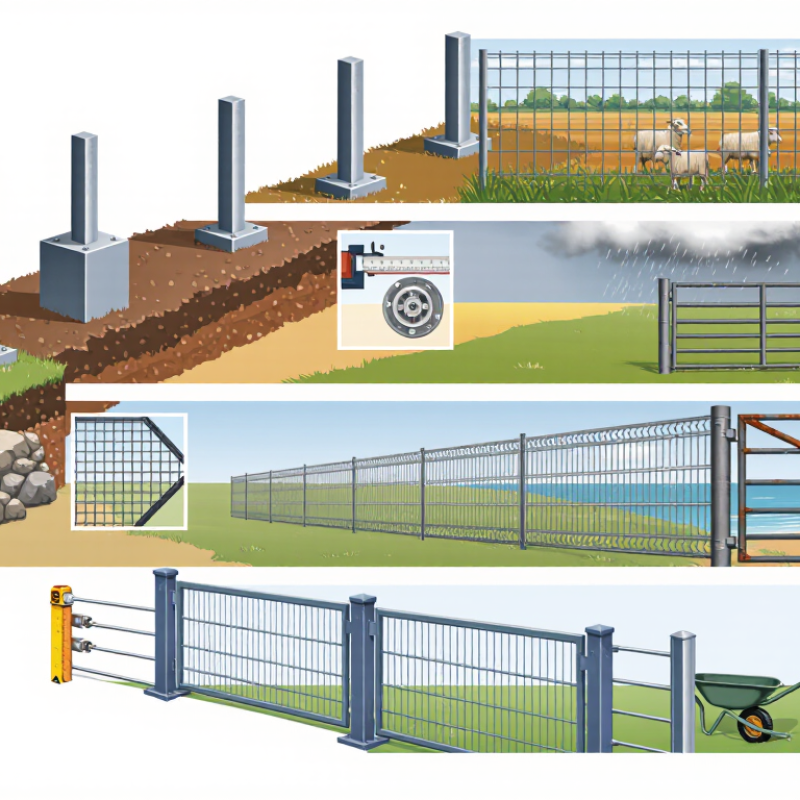
Soft soil near downspouts may shift under post loads, while compacted gravel can make digging slower. Check for buried services before planning post holes. It is an easy detail to postpone, but a costly one to overlook. Note slopes, low spots, and places where water regularly pools. Small dips matter.
A sloped site may need stepped panels or a fence that follows the ground, depending on the mesh and the gap you can accept beneath it. Measure corners and gate openings carefully; a few centimeters can affect clearance and alignment. Check the installation guidance for post spacing, embedment, and tensioning. Wind exposure matters too. Long, open runs can put more force on posts, so the support system should suit local conditions. Leave room for tools and concrete around each hole. I would still recheck the measurements before ordering; site notes are not always as neat as they look.
Balance Purchase Cost, Durability, and Maintenance Needs
7 Tips for Choosing the Right Wire Mesh Fence
Balance Purchase Cost, Durability, and Maintenance Needs
A low purchase price can be appealing, but compare the full installation cost. Include posts, fittings, delivery, and labor in your estimate. Check the wire thickness and mesh opening size against the fence’s purpose. Thicker wire may resist bending better, but it can raise the price. In damp or coastal settings, a suitable protective coating can help slow corrosion. That matters over time.
Tips: Ask for written specifications, not just a price per panel. Confirm the wire gauge, coating type, and post spacing. Then compare quotes on the same basis. A cheaper panel may need sturdier posts, which changes the calculation. Small detail. Easy to miss.
Consider maintenance before buying. Look for a finish that suits local weather, and ask how to clean or repair damaged sections. A fence near plants may need occasional trimming to prevent growth from pressing into the mesh. Check gates and fasteners, too; they can loosen before the mesh shows wear. I’d avoid assuming that “maintenance-free” means no inspections. It rarely does. A quick yearly check can catch loose ties or early rust while repairs are still manageable. Not always convenient, but useful.