Essential Tips for Choosing the Right Banding Sealer?
Choosing the right Banding Sealer is crucial for packaging efficiency and product integrity. The global packaging equipment market is projected to reach $50 billion by 2028, with banding sealers playing a significant role. These machines are essential in numerous industries, from food to pharmaceuticals.
Understanding the performance and reliability of various banding sealers is key. Reports indicate that companies often underestimate the importance of machine selection, leading to increased downtime and waste. Inaccurate sealing can compromise product quality and safety, prompting businesses to reassess their equipment.
Investing in a suitable banding sealer requires careful consideration. Factors like material compatibility, sealing speed, and maintenance needs are vital. It is essential to evaluate vendors based on their expertise and service records. A thoughtful approach ensures that companies can improve efficiency and reduce costs in the long run.
Understanding the Functionality of Banding Sealers
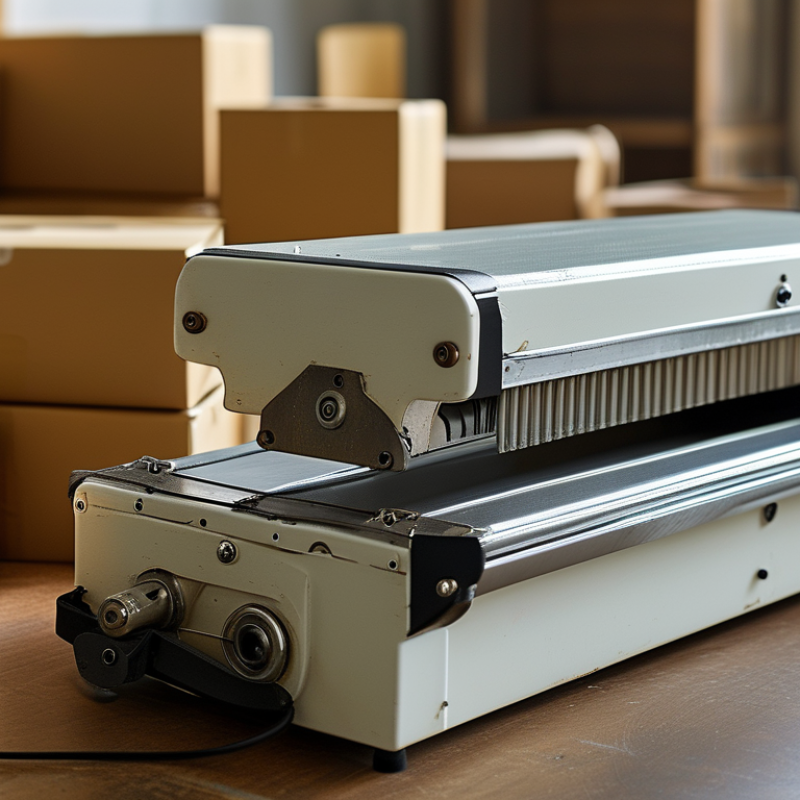
When selecting a banding sealer, understanding its functionality is crucial. A banding sealer plays an essential role in packaging products securely. It provides a reliable seal that prevents contamination and ensures product integrity. The right choice can significantly impact efficiency in a production line.
Several factors affect a banding sealer's performance. Speed is one critical aspect. Some models can process multiple packages per minute. This efficiency can enhance overall productivity. Additionally, the sealing mechanism must adapt to different materials. Whether it’s plastic, paper, or cardboard, a versatile sealer can cater to various packaging needs.
However, not every sealer performs flawlessly. Users often report issues with temperature settings. A discrepancy can lead to inadequate seals. Regular maintenance is essential to avoid such pitfalls. Also, operators should be trained adequately. Effective training can minimize errors and ensure optimal performance. This reflection on functionality helps in making an informed choice for packaging solutions.
Identifying Key Features in Banding Sealers
When selecting a banding sealer, it’s essential to focus on key features that meet your specific needs. One crucial aspect to consider is the sealing method. A heat seal may offer durability but can be slower. In contrast, a cold seal provides quick application but may not be as strong. Understanding your production speed and sealing requirements will help narrow down your options.
Additionally, the type of materials compatible with the banding sealer is vital. If your products have varying sizes and shapes, a versatile sealer will better accommodate those differences. Take note of the machine's size and portability, which can significantly affect your workflow. Equipment that is easy to move around can save time and reduce hassle in busy environments.
Don’t underestimate the importance of maintenance and support. Even reliable sealers require occasional upkeep. Evaluate the manufacturer's guidelines for maintenance. A brand with reliable customer support can alleviate potential problems down the road. Look for community reviews or testimonials on support experiences before making your decision. Balancing these elements will help ensure you choose a banding sealer that aligns with your operational needs, even if the perfect match is challenging to find.
Evaluating Different Types of Banding Sealers
Choosing the right banding sealer requires careful evaluation of different types available on the market. A report by the Packaging Machinery Manufacturers Institute (PMMI) indicates that over 30% of manufacturers struggle with selecting the right sealing technology. This challenge highlights the importance of understanding the operational needs and the characteristics of each sealing option.
There are mainly two categories of banding sealers: manual and automatic. Manual sealers are typically more cost-effective for low-volume applications, while automatic sealers offer higher efficiency for larger production scales. According to data from the Association for Packaging and Processing Technologies, automatic sealers can boost production rates by up to 50% compared to manual alternatives. However, these machines often come with a higher initial investment. Manufacturers must weigh the upfront costs against potential productivity gains.
Environmental considerations are also crucial. Some sealers use materials that contribute to packaging waste. A study from Packaging Strategies reveals that 72% of consumers prefer brands with sustainable practices. This fact pushes manufacturers to consider eco-friendly sealing options. Balancing efficiency, cost, and sustainability is a nuanced challenge. Each choice can impact both operational performance and brand reputation in the current market landscape.
Essential Tips for Choosing the Right Banding Sealer
This chart illustrates the evaluation of different types of banding sealers based on their effectiveness, ease of use, and maintenance requirements. Each category represents the average score based on user feedback.
Assessing Your Production Needs Before Purchase
Assessing your production needs before purchasing a banding sealer is crucial. Consider the volume of products you'll process daily. High-volume operations require durable machines capable of consistent performance. Assess the types of materials you'll be sealing. Different materials need specific sealing strategies for optimal results.
Evaluate the features of the banding sealer. Does it allow for easy adjustments? Machines that are user-friendly can reduce downtime. Look for options that offer flexibility in banding sizes. This can save costs in the long run. If possible, seek endorsements from industry experts. Their experiences can shed light on which features truly matter.
Think about maintenance requirements as well. A machine that is too complicated can lead to frustrations. Regular upkeep is essential for long-lasting performance. Ensure you have the resources to support this. Additionally, consider space constraints in your production area. Choosing the wrong size can disrupt workflow. Take your time to weigh these factors before making a decision.
Comparing Costs and Benefits of Banding Sealers
When selecting a banding sealer, understanding costs and benefits is crucial. These machines can vary significantly in price. Lower-priced options might save money upfront but can lack durability. Higher-end sealers may offer advanced features, resulting in a greater initial investment. However, they can provide long-term savings through efficiency and reliability.
Consider the materials your products require. Some sealers work better with specific types of packaging. Investing in the right machine can prevent future expenses on replacements or repairs. Evaluate the volume of products you need to seal as well. High-volume operations often benefit from higher-end options, as they ensure consistent sealing quality.
Always research user reviews and expert opinions. Real testimonials can highlight common issues with certain models. Understanding these can help make an informed decision. Pay attention to the maintenance requirements of each model. Simple upkeep can save time and extend the life of your machine. When looking at options, weigh these factors carefully to ensure you find a banding sealer that meets your specific needs.