Blog

You are here:

What Is Tactical Apparel and What Types Are Available?

Tactical Apparel has moved beyond a niche uniform category. It now serves law enforcement, military professionals, outdoor workers, emergency teams, and civilians seeking durable field clothing. Grand View Research identifies tactical clothing as a growing global market, supported by demand for lightweight fabrics, modular storage, weather protection, and improved mobility. MarketsandMarkets also reports continued expansion, although market definitions differ between reports. That limitation matters.

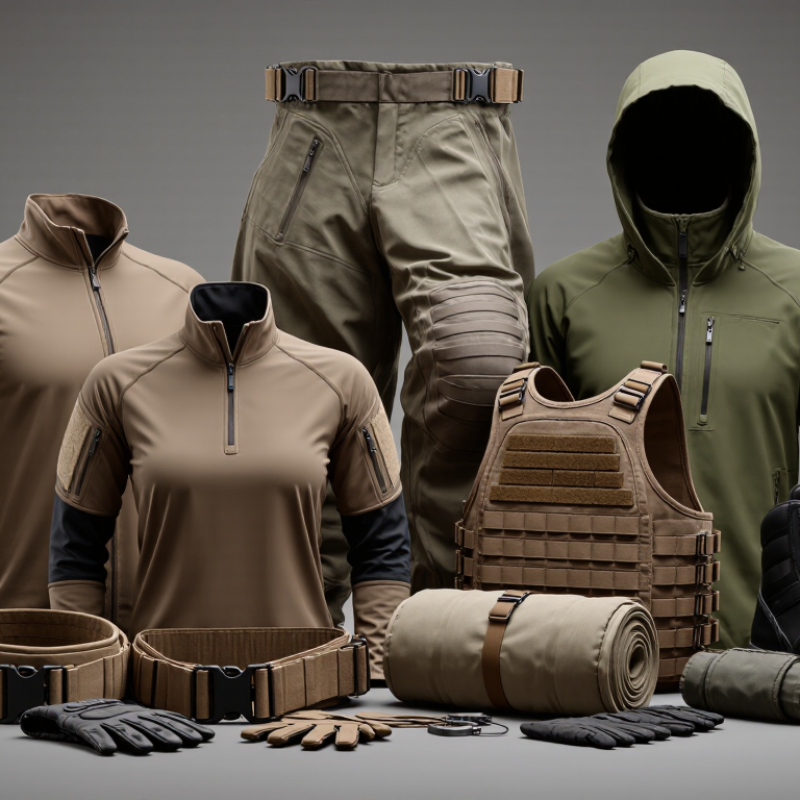
Real-world use explains the appeal. A reinforced knee should tolerate kneeling on concrete. A stretch panel should support climbing into a vehicle. Breathable fabric should reduce discomfort during long outdoor shifts. Tactical Apparel may include combat shirts, field pants, softshell jackets, plate-carrier-compatible layers, duty belts, boots, gloves, and weather-resistant accessories. Not every item suits every user.

Clint Emerson, a former U.S. Navy SEAL and tactical author, offers a practical principle: “The best gear is the gear you know how to use.” That idea applies directly to clothing. Pockets, zippers, and adjustment points have value only when they remain accessible under pressure. Brand reputation helps, but field testing matters more. Sometimes, simpler is better.

This guide examines what Tactical Apparel means, how professional clothing differs from fashion-inspired designs, and which types are available. It considers fabric weight, seam construction, fit, ventilation, water resistance, and maintenance. It also recognizes an uncomfortable truth: product descriptions can sound more capable than the garments themselves. Independent testing, transparent specifications, and user experience provide stronger evidence. 恒一

What Is Tactical Apparel and What Types Are Available?

Definition and Purpose of Tactical Apparel

Tactical apparel is purpose-built clothing for demanding, unpredictable work and outdoor conditions. Its purpose is not to look aggressive. It supports movement, protection, equipment access, and weather management. A well-designed shirt may use stretch fabric, reinforced elbows, and breathable panels. Trousers often include articulated knees, secure pockets, and abrasion-resistant sections. These details matter when someone kneels on concrete, carries tools, or moves through wet terrain.

Market research shows growing demand. Grand View Research estimated the global tactical clothing market at about USD 1.4 billion in 2023, with continued growth expected through 2030. Such figures reflect demand from public safety, industrial work, outdoor recreation, and security-related occupations. They do not prove that every tactical feature improves performance. That distinction is important.

Available types include base layers, field shirts, utility trousers, soft-shell jackets, rainwear, insulated garments, gloves, and load-bearing accessories. Each category solves a different problem. Moisture-wicking layers reduce discomfort during long activity. Rain shells block wind and precipitation. Reinforced trousers resist repeated contact with rough surfaces. Neutral colors can support workplace practicality without attracting unnecessary attention.

Professional buyers should check stitching, fabric weight, seam construction, sizing, and care requirements. The National Institute of Justice emphasizes performance-based testing for protective equipment, but ordinary tactical clothing is not automatically protective equipment. Marketing language can blur that boundary. Forecasts can also be imperfect. Real users should test garments in their actual climate, workload, and movement patterns before relying on them.

Core Features and Materials Used in Tactical Clothing

Tactical apparel is designed for demanding outdoor, work, and training environments. Its value comes from practical details, not an aggressive appearance. Reinforced knees, bar-tacked seams, and articulated panels help clothing withstand repeated movement. Adjustable cuffs and waistbands improve fit when temperatures or activity levels change. A well-placed pocket keeps small tools, notes, or protective equipment accessible without restricting movement.

Material selection affects comfort and service life. Ripstop nylon resists tearing while staying relatively light. Polyester dries quickly and holds its shape well. Cotton feels comfortable, but it absorbs moisture and dries slowly. Blended fabrics often balance softness, durability, and breathability. Stretch fibers can improve mobility around the hips and shoulders. Mesh panels may release heat, although they can reduce abrasion resistance in exposed areas. Water-resistant finishes help in light rain, but they are not a substitute for waterproof construction.

Fit remains a technical concern. Clothing that is too loose can catch on branches or equipment. Clothing that is too tight may limit crouching, climbing, or reaching. I have learned that more pockets do not always improve function. A low pocket can become uncomfortable when sitting, while heavy fabric can cause fatigue during long walks. The best choice depends on climate, workload, washing habits, and required movement. No material performs perfectly everywhere.

Tactical Apparel: Core Materials and Moisture Management

Tactical apparel combines durability, freedom of movement, weather resistance, ventilation, and load-carrying support. Nylon is commonly selected for abrasion resistance and strength, polyester for low moisture absorption and quick drying, cotton for comfort, and elastane for stretch. Moisture regain values are typical reference figures for fibers under standard textile-testing conditions; finished fabric performance varies with weave, coatings, blends, and garment construction.

Main Types of Tactical Apparel

Tactical apparel is designed for demanding work, not merely an aggressive appearance. MarketsandMarkets estimates the global tactical clothing market could grow from about USD 1.9 billion in 2023 to USD 2.6 billion by 2028. The main types serve different movement, weather, and storage needs.

Combat uniforms usually combine ripstop fabric, articulated knees, and reinforced seat panels. They suit training, field work, and outdoor service. Tactical outerwear includes soft shells, rain jackets, and insulated layers. These pieces protect against wind and sudden temperature changes. Load-bearing apparel uses cargo trousers, utility vests, and modular belts to keep tools accessible. Base layers manage sweat, while tactical boots support traction on concrete, gravel, or wet ground. Gloves add grip and protect the hands during repetitive tasks. The categories overlap, and that can confuse buyers.

Tips: Choose the garment around your real activity. A heavy jacket may feel secure but become exhausting indoors. Check seam quality, pocket placement, breathability, and size range. A 2024 report from Grand View Research identifies durability, comfort, and multifunctional design as major market drivers. Still, market forecasts are not field testing. I would treat them as direction, not proof. Try bending, climbing stairs, and sitting before purchase. Reflective details may also improve visibility, although they can reduce the low-profile appearance some users prefer.

What Is Tactical Apparel and What Types Are Available? - Main Types of Tactical Apparel

Type of Tactical Apparel Primary Purpose Typical Construction or Materials Common Features Best Suited For Main Advantages Important Considerations
Tactical Shirts Provide a durable upper-body layer with practical storage and improved mobility. Often combine abrasion-resistant woven fabric on the torso or sleeves with stretch or moisture-managing fabric in selected panels. Reinforced elbows, sleeve pockets, adjustable cuffs, shoulder pockets, and compatibility with protective equipment. Field work, range training, outdoor operations, and demanding work environments. Offer a balance of comfort, ventilation, durability, and freedom of movement. Heavy fabrics can retain heat; pocket placement should not interfere with equipment or movement.
Combat Shirts Reduce bulk beneath body armor while maintaining durable sleeves and useful storage. Usually feature a lightweight, breathable torso section with more abrasion-resistant sleeves and upper-body panels. High or low collars, reinforced elbows, sleeve pockets, hook-and-loop adjustment, and body-armor compatibility. Activities requiring armor, load-bearing equipment, or extended movement in warm conditions. Improve ventilation and reduce layering bulk compared with a fully woven shirt. The lighter torso fabric may provide less abrasion protection than the sleeves; fit must allow unobstructed armor use.
Tactical Pants Protect the legs while supporting movement and organized carrying of small equipment. Commonly made from ripstop or other abrasion-resistant woven fabrics, sometimes blended with stretch fibers. Reinforced seat and knees, articulated knee sections, cargo pockets, tool pockets, belt loops, and adjustable hems. Work, hiking, training, field service, and outdoor activities requiring durable trousers. Provide increased durability, storage, and mobility compared with standard trousers. Large pockets can add weight; pocket contents may restrict movement when sitting, kneeling, or climbing.
Knee-Pad-Compatible Pants Support kneeling and crawling while reducing stress on the knees and lower legs. Use durable pant fabrics with internal or external compartments designed for removable knee pads. Height-adjustable knee-pad pockets, articulated legs, reinforced knee panels, and stretch sections. Construction, maintenance, tactical training, gardening, and other kneeling-intensive tasks. Improve comfort and protection during repeated kneeling or ground-level work. Pads must remain correctly positioned; extra reinforcement can increase stiffness and weight.
Tactical Shorts Provide lightweight lower-body coverage and storage in hot weather. Usually made from lightweight ripstop, cotton-blend, nylon-blend, or stretch woven fabrics. Multiple cargo pockets, reinforced belt loops, secure pocket closures, and durable seat panels. Warm-weather work, hiking, range use, and everyday outdoor activities. Offer better ventilation and lower weight than full-length tactical pants. Provide less protection from insects, sun, vegetation, and abrasion than trousers.
Soft-Shell Jackets Provide a flexible outer layer with wind resistance, light weather protection, and breathability. Typically use woven stretch fabric with a durable water-repellent finish and a brushed or laminated interior. Adjustable cuffs and hem, chest and hand pockets, articulated sleeves, and ventilation openings. Cool, windy, or lightly wet conditions where flexibility is important. Combine stretch, wind protection, and comfort without the stiffness of many hard-shell garments. Usually offer less waterproof protection than a fully waterproof hard shell; water-repellent finishes require maintenance.
Hard-Shell Jackets Protect against rain and wind as part of a weatherproof layering system. Use waterproof-breathable laminate or coated shell fabrics with sealed or specially constructed seams. Storm flaps, adjustable hoods, waterproof zippers or closures, ventilation openings, and adjustable cuffs. Heavy rain, wet field conditions, hiking, and prolonged exposure to poor weather. Provide stronger weather protection than soft-shell garments and can be layered over insulation. Can be noisier and less breathable; fit must accommodate base and mid-layers without limiting movement.
Insulated Jackets and Parkas Retain body heat in cold environments while protecting against wind and light precipitation. Use synthetic or down insulation between an outer fabric and an inner lining; many designs include wind-resistant shells. Adjustable hoods, storm cuffs, insulated collars, secure pockets, and longer coverage on parkas. Cold-weather work, winter travel, outdoor training, and stationary periods in low temperatures. Deliver warmth with less layering complexity and can protect the torso from wind chill. Insulation can reduce mobility and packability; wet conditions may reduce the performance of some insulation types.
Base Layers Manage moisture and help regulate body temperature next to the skin. Commonly use synthetic moisture-wicking fibers or merino wool; cotton is generally less suitable for prolonged cold-weather activity because it dries slowly. Flat seams, close athletic fit, stretch construction, odor management, and long sleeves or extended hems. Layering systems, endurance activities, cold-weather work, and variable climates. Help keep moisture away from the skin and reduce friction beneath outer layers. A close fit is important; overly tight garments can restrict movement, while loose garments may layer poorly.
Tactical Vests and Load-Bearing Garments Distribute small equipment and supplies across the torso while leaving the arms relatively unrestricted. Often use abrasion-resistant woven textiles, mesh panels, webbing, and adjustable closures. Modular attachment areas, magazine or utility pockets, adjustable shoulder straps, and side adjustment systems. Training, field work, equipment carrying, and situations requiring organized access to small items. Improve equipment organization and can be adjusted for different body sizes and clothing layers. Added weight can cause fatigue; load placement should preserve balance, ventilation, and unrestricted breathing.
Protective Coveralls Cover most of the body and protect clothing from dirt, abrasion, and selected workplace hazards. Made from fabrics selected for the intended hazard, such as cotton blends, synthetic fibers, or specialized protective textiles. Full-length zippers, reinforced stress points, multiple tool pockets, elastic or adjustable closures, and high-visibility options. Maintenance, mechanical work, industrial tasks, and environments where full-body clothing coverage is useful. Reduce exposed clothing gaps and simplify dressing for dirty or abrasive work. Protection depends on the garment's certified rating; coveralls can be warm and may complicate restroom access.
Tactical Gloves Protect the hands while preserving grip, dexterity, and control. May combine synthetic leather or durable textile palms with stretch fabric, padding, and reinforced panels. Secure wrist closures, touchscreen-compatible fingertips, padded knuckles, reinforced thumbs, and ventilated backs. Tool handling, cycling, shooting practice, field work, and activities requiring hand protection. Reduce abrasion and improve grip without the bulk of heavy industrial gloves. Padding and reinforced materials can reduce fine dexterity; glove sizing must allow full finger movement.
Tactical Boots Support the feet and ankles during walking, standing, climbing, and uneven-ground movement. Use combinations of leather, synthetic leather, textile panels, rubber outsoles, and cushioning midsoles. High-traction soles, reinforced toe caps, ankle support, drainage or waterproof construction, and speed-lacing systems. Outdoor work, hiking, field training, and environments with uneven or slippery surfaces. Provide greater durability, traction, and foot protection than casual footwear. Waterproof models may be less breathable; boots require proper break-in and should match the terrain and climate.
Headwear and Neck Gaiters Protect the head, face, and neck from sun, wind, dust, cold, or light precipitation. Commonly use lightweight synthetic fabrics, wool blends, fleece, or structured woven materials. Moisture management, quick drying, adjustable fits, sun coverage, and convertible face or neck coverage. Outdoor work, hiking, cold-weather activities, and high-sun environments. Are lightweight, easy to layer, and useful for adapting to changing weather conditions. Coverage and heat retention vary widely; face coverings should not obstruct breathing or visibility.

How Tactical Apparel Supports Different Activities

What Is Tactical Apparel and What Types Are Available?

Tactical apparel supports different activities by combining durability, movement, and practical storage. It can include reinforced trousers, lightweight field shirts, weather-resistant jackets, boots, gloves, and adjustable packs. These pieces are useful for hiking, outdoor work, photography, travel, and training in changing conditions.

A hiker may value stretch panels when climbing over uneven ground. A field worker may need reinforced knees and secure pockets for small tools. During long travel, breathable fabric can reduce discomfort, while a rain shell helps manage sudden weather. Good apparel should fit the activity, not simply look rugged. In my experience, poorly placed pockets can become annoying, especially when sitting or moving quickly. Clothing also needs careful layering. A warm jacket may feel excellent at dawn but become restrictive by midday. That detail is easy to overlook.

Tips

Test every garment before a demanding activity. Walk, bend, reach, and sit in it. Check whether seams rub your skin or straps shift under movement. Choose muted, practical colors when visibility and comfort matter. Avoid filling every pocket; extra weight can cause fatigue. Also, wash technical fabrics as directed. Small care mistakes can reduce breathability and shorten their useful life.

Choosing Tactical Apparel for Specific Needs

Tactical apparel is designed for movement, durability, and organized carry. Choosing it well starts with the task, not the appearance. A warehouse worker may need reinforced knees and breathable fabric. A hiker may value stretch panels, weather resistance, and a lighter cut. Emergency volunteers often need clear visibility and quick access to essential tools.

Match the fabric to the environment. Ripstop material can resist small tears during brush work, while a cotton blend may feel cooler in dry conditions. In wet weather, a water-resistant outer layer helps, but it will not replace proper rain protection. Check the seams, zippers, and attachment points. These details often fail before the main fabric. Fit matters just as much. Try bending, climbing stairs, and reaching overhead before buying.

For hot climates, choose mesh zones and moisture-managing fabric. Cold conditions require space for a base layer without restricting the shoulders. Select trousers with secure pockets, but avoid heavy storage that changes your balance. I once chose a stiff pair because it looked durable. The fabric survived, but my knees disliked every long walk. That mistake changed my fitting routine. Comfort deserves practical testing.

Keep color and visibility appropriate for the setting. Neutral tones may suit maintenance work, while brighter panels can improve recognition during approved outdoor duties. Wash the garment as directed, inspect worn areas, and replace damaged closures early. Small failures become inconvenient quickly. Less gear can be better gear.

Go to Top