What Does the Police Van Siren Mean and How Does It Work?
When we hear the unmistakable sound of a Police Van Siren, it often invokes a mix of emotions. This powerful sound signals urgency and alerts our attention. But what does it really mean? Understanding the purpose of the Police Van Siren can provide insights into its operation and significance in our communities.
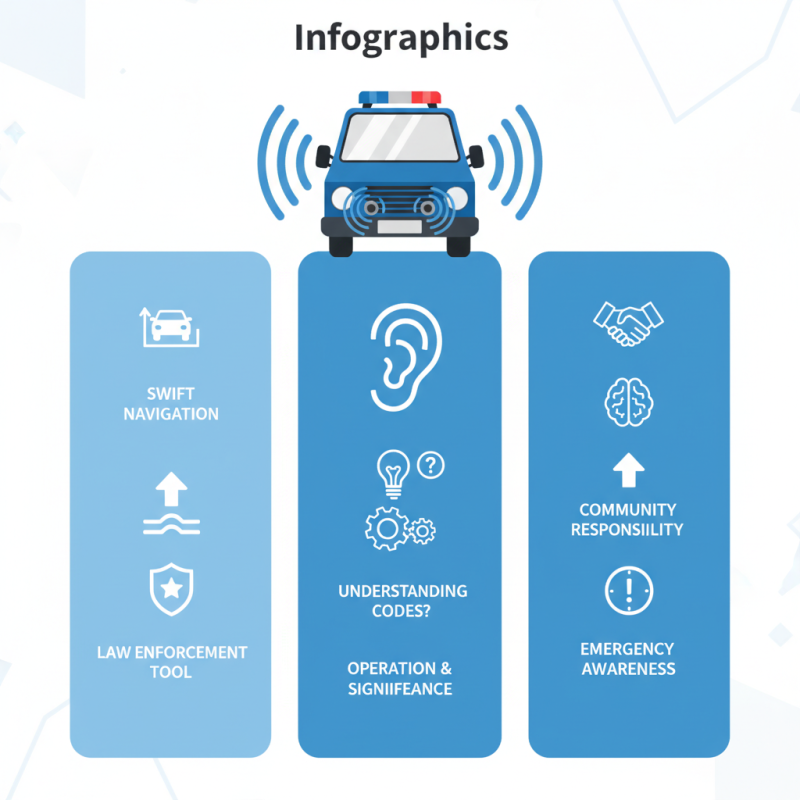
The Police Van Siren serves as a crucial tool in law enforcement. It allows police vehicles to navigate through traffic swiftly and safely. Its loud and distinctive sound grabs our attention, compelling us to yield the right of way. Such moments remind us of the importance of cooperation during emergencies. Yet, there is often a disconnect in our understanding. Many may not know the specific codes or meanings behind various siren sounds.
As we delve deeper into this topic, it’s essential to reflect on our reactions to the Police Van Siren. Do we always respond appropriately? Are we aware of the situations that necessitate such urgent signals? Understanding these aspects can foster a greater sense of responsibility within each of us.
Understanding the Purpose of Police Van Sirens
Police van sirens play a crucial role in emergency situations. Their loud, distinctive sound alerts pedestrians and drivers to clear the way. This enables officers to reach their destinations quickly. The sound of a siren can invoke a sense of urgency, prompting people to take action.
When a siren is activated, it creates waves of sound that travel through the air. Most police vans use a combination of high and low frequencies. This combination ensures the siren is heard even in noisy environments. It's interesting to note that some people become desensitized to sirens. They might not react as quickly as intended.
**Tips**: Stay aware when you hear a siren. Look for flashing lights and move aside safely. Educate children about the importance of listening for emergency vehicles. Foster a habit of responding promptly to siren sounds. This could save lives during critical moments. Remember, every second counts in emergencies.
The Types of Sirens Used in Police Vans
Police vans utilize various types of sirens to communicate urgency. Each siren has its own unique sound and function. The most common types are the wail, yelp, and phaser. The wail siren produces a slow, rising tone. It's designed to alert motorists and pedestrians from a distance. The yelp, on the other hand, has a quick, high-pitched sound. It helps to clear traffic in busy areas.
A phaser siren blends these sounds together. It creates a distinctive effect that commands attention effectively. Each type serves different scenarios. In some cases, the choice of siren can influence the response of bystanders. However, not everyone reacts as intended. Some may panic, while others become desensitized over time. This reflects a growing need to reevaluate methods of communication.
It's essential for authorities to consider these factors. The impact of sound on public behavior is significant. Over time, the repetition of certain sounds may lose effectiveness. Sirens should not only serve to notify but also to provide a sense of safety. Balancing urgency with calmness can help in emergency situations. The evolution of police sirens continues to be an important area for discussion.
How Police Van Sirens Work: The Science Behind the Sound
Police van sirens are crucial for public safety. They alert everyone on the road about an emergency situation. When you hear that distinct wailing sound, it usually means a police vehicle is responding quickly to an incident. But how do these sirens create such loud and penetrating sounds?
The science behind police van sirens is fascinating. Most sirens work on a principle known as "interference." By manipulating sound waves, they produce varying pitches that can be heard from afar. A siren's design often includes rotating or oscillating mechanisms, which enhance the sound. The shape of the siren casing influences how sound projects into the environment.
Yet, the effectiveness of sirens can vary. In crowded areas, loud noises might fade amidst city sounds. Some pedestrians might not even hear them. How clear is their warning? People experience confusion when multiple sirens overlap. This raises concerns about how we perceive and react to these crucial warnings. Understanding how they work can help us appreciate their role in keeping us safe.
The Importance of Sirens in Emergency Situations
Sirens play a crucial role in emergency situations. They alert the public and clear paths for emergency vehicles. The piercing sound is designed to cut through background noise. This ensures that pedestrians and drivers notice the approaching vehicles. When you hear a siren, it means urgent help is on the way.
It’s important to remain calm but act quickly. Pull over to give space. Many people panic and don’t react properly. Some don’t hear the siren at all. This can delay critical assistance. You should be aware of your surroundings at all times. Drivers must regularly check their mirrors. Awareness can save lives.
Tips for dealing with sirens: Always stay alert when driving. Familiarize yourself with local siren sounds. If you’re unsure, ask for help. Understanding the importance of sirens can greatly enhance safety in emergencies. Remember, a fast response is essential. Stay prepared and know what to do when you hear that sound.
Regulations and Best Practices for Police Siren Use
Police sirens play a crucial role in emergencies. They alert the public and clear pathways for officers. Regulations dictate how these sirens should be used. Studies show that loudness and tone impact driver compliance. For example, the standard decibel level is around 120 dB at 1 meter. This intensity ensures visibility and attention in chaotic situations.
Best practices involve using different tones based on the situation. In high-traffic areas, softer tones may be more effective. A report from the International Association of Chiefs of Police emphasizes training officers on siren use. Yet, many departments still struggle with consistent application of these protocols. There's often a disconnect between training and real-world usage.
Moreover, public education on the meaning of different siren sounds is essential. Many drivers remain unaware of the cues associated with urgent responses. Some studies suggest enhancing community awareness through campaigns. This feedback loop can improve safety and ensure the right response in emergencies. Ultimately, the siren system needs refinement to maximize its impact.
What Does the Police Van Siren Mean and How Does It Work? - Regulations and Best Practices for Police Siren Use
| Siren Type | Sound Frequency (Hz) | Common Use Case | Preferred Usage Time | Regulations Compliance |
| Wail Siren | 500 - 600 | High-speed pursuits | Day and night | Yes |
| Yelp Siren | 600 - 800 | Residential areas | Daytime | Yes |
| Phaser Siren | 400 - 700 | Crowd control | Day and night | Yes |
| Air Horn | 200 - 300 | Traffic direction | Day | Yes |