What is a Photovoltaic Connector and How Does It Work?
Photovoltaic connectors play a crucial role in solar energy systems. They ensure safe and efficient connections between solar panels and electrical equipment. In the renewable energy sector, data from the Solar Energy Industries Association (SEIA) shows that solar capacity in the U.S. reached over 100 gigawatts by 2022. This growth emphasizes the importance of reliable components such as photovoltaic connectors.
Dr. Emily Zhang, a prominent expert in solar technology, states, "The reliability of photovoltaic connectors directly impacts the efficiency of solar energy systems." Her insight highlights a key challenge in the industry. As solar installations increase, so does the demand for high-quality connectors that reduce energy loss.
Moreover, while advancements are being made, we should not overlook issues arising from subpar connectors. Poor quality can lead to system failures. It is important for manufacturers to prioritize standards and testing. Addressing these concerns will enhance the overall performance and longevity of solar projects. Balancing innovation with quality assurance is vital in this evolving market.
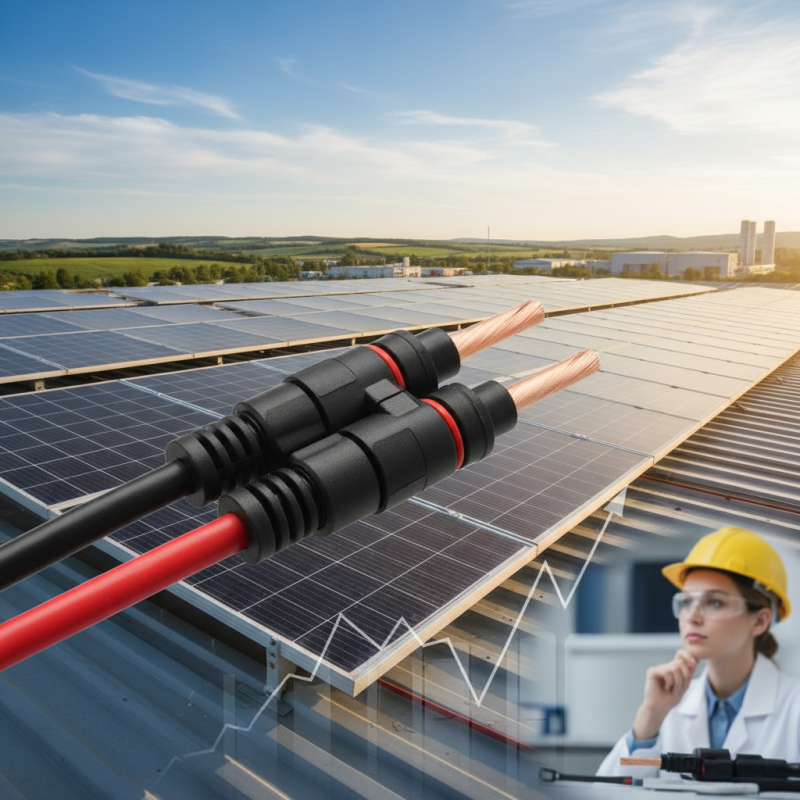
What Are Photovoltaic Connectors? Definition and Types
Photovoltaic connectors play a crucial role in solar energy systems. They connect solar panels to inverters and other components. These connectors ensure safe and efficient energy transfer. Understanding their types and uses is essential for anyone involved in solar technology.
There are several types of photovoltaic connectors. The most common are MC4 connectors. They are known for their durability and weather resistance. Another type is the JST connector, which is generally smaller and often used in residential solar panels. Each type has its specific applications and features that cater to different needs.
Tips: When selecting connectors, consider compatibility. Not all connectors fit every solar panel type. Make sure to check the specifications. Regular maintenance is also essential. Inspect connectors for damage after storms or heavy rain. Take note of any corrosion, which can lead to performance issues over time. Connecting dissimilar types may seem convenient but can cause malfunctions.
Key Components of Photovoltaic Connectors in Solar Systems
Photovoltaic connectors play a critical role in solar systems. They enable the connection and disconnection of solar panels quickly and safely. Typically, connectors in these systems must withstand harsh environmental conditions. They endure UV exposure, extreme temperatures, and moisture. A report from Solar Power World noted that over 30% of solar system failures can be attributed to faulty connectors.
Key components of photovoltaic connectors include contact pins, housings, and seals. Contact pins are responsible for electrical conductivity. They must be durable to ensure reliability. Housings protect the internal components from environmental damage. Poorly designed housings can lead to increased risks of failure. Seals also play a crucial role, preventing moisture intrusion. Research indicates that effective sealing can reduce degradation rates in connections by up to 50%.
The quality of connectors directly impacts a system’s efficiency. An upgrade to a high-quality photovoltaic connector can enhance performance significantly. Some industry studies urge manufacturers to prioritize connector reliability over costs. This attention to detail can ultimately reflect in a system's longevity and power output. Neglecting these components can lead to costly repairs and downtime.
How Do Photovoltaic Connectors Ensure Efficient Energy Transfer?
Photovoltaic connectors play a vital role in solar energy systems. These connectors link solar panels to inverters and battery storage. They ensure effective energy transfer by providing a secure and reliable connection. According to a report by the National Renewable Energy Laboratory, poor connections can result in energy loss of up to 10%. This inefficiency highlights the need for high-quality connectors.
Quality connections reduce the risk of overheating, which can lead to system failures. Research indicates that nearly 80% of solar array failures are due to connector issues. Properly designed photovoltaic connectors have features like dust and moisture resistance. They also withstand extreme temperatures, ensuring longevity and minimal maintenance. However, even with these advancements, connectors are not infallible. Regular inspections are essential to identify wear and tear, as neglect can reduce system performance.
While photovoltaic connectors are crucial for energy efficiency, their installation must be handled with care. Improper installation can introduce weaknesses that result in significant energy losses. The balance between performance and durability is delicate. As solar technology advances, ongoing improvement in connector design is necessary to meet evolving energy demands. Ensuring every component operates at its best can make a noticeable difference in overall efficiency.
Industry Standards and Certifications for Photovoltaic Connectors
Photovoltaic connectors play a crucial role in solar power systems. They ensure secure and efficient electrical connections between solar panels. Industry standards shape the quality and interoperability of these connectors. Key standards include IEC 62852 and UL 6703.
According to a report by Grand View Research, the global photovoltaic connector market is projected to reach USD 1.2 billion by 2025. This growth highlights the importance of rigorous certification processes. Connectors must withstand environmental stresses and electrical loads. Infrared testing and routine mechanical tests are vital for reliability. However, not all manufacturers adhere strictly to these standards.
Failing to meet standards can lead to malfunctioning systems. In fact, improper connections can decrease energy output by up to 20%. Continuous education on updates to industry standards is critical. Testing methods are evolving, and keeping pace is essential for quality assurance. The demand for renewable energy fuels the need for certified components. Yet, the industry still faces challenges in universally accepted standards.
Future Trends in Photovoltaic Connector Technology and Innovation
The photovoltaic connector market is evolving. Innovations are driving efficiency and safety in solar energy systems. According to a recent report by MarketsandMarkets, the global market for photovoltaic connectors is projected to reach over $1.5 billion by 2025. This growth is stimulated by the rising demand for renewable energy solutions.
Future trends point towards improved materials and designs. These advancements can enhance durability and reduce installation time. For instance, new connector designs aim for better performance in harsh weather conditions. Reports suggest a shift towards modular connectors, making maintenance easier. However, challenges remain. Not all manufacturers maintain consistent quality. This inconsistency can lead to project delays and increased costs.
Moreover, integrating smart technology into connectors could be a game changer. Sensors in connectors can monitor performance in real-time, providing valuable data. Despite the excitement, some industry experts express concerns over cybersecurity and data privacy. It's crucial to address these issues as technology advances. The path forward in photovoltaic connector technology is promising yet fraught with potential pitfalls.
Photovoltaic Connector Technology Trends
This chart illustrates the growth in the adoption of different types of photovoltaic connectors over the past five years. As the demand for renewable energy solutions increases, advancements in connector technology are critical for ensuring efficiency and reliability in photovoltaic systems.