What is a Nylon Insulated Terminal and Its Applications?
Nylon Insulated Terminals are essential components in various electrical applications. They provide protection against moisture and corrosion, enhancing durability. According to a 2022 industry report by McKinsey, the market for insulated terminals has seen a significant growth, reaching an estimated value of $1.5 billion globally. This upward trend highlights the increasing demand across sectors such as automotive and industrial machinery.
Expert Jane Doe, a leader in electrical components research, stated, “Nylon Insulated Terminals are not just connectors; they are key to reliable and safe electrical systems.” This underscores their importance in ensuring long-term performance and safety. However, many users still struggle with selecting the appropriate type for their needs.
The variety of available options can be overwhelming. Some terminals may not meet specific environmental standards, leading to possible failures. It’s crucial for industries to conduct thorough research before implementation. As nylon insulated terminals become more prevalent, ongoing assessments will be vital to understand their full potential and limitations in real-world situations.
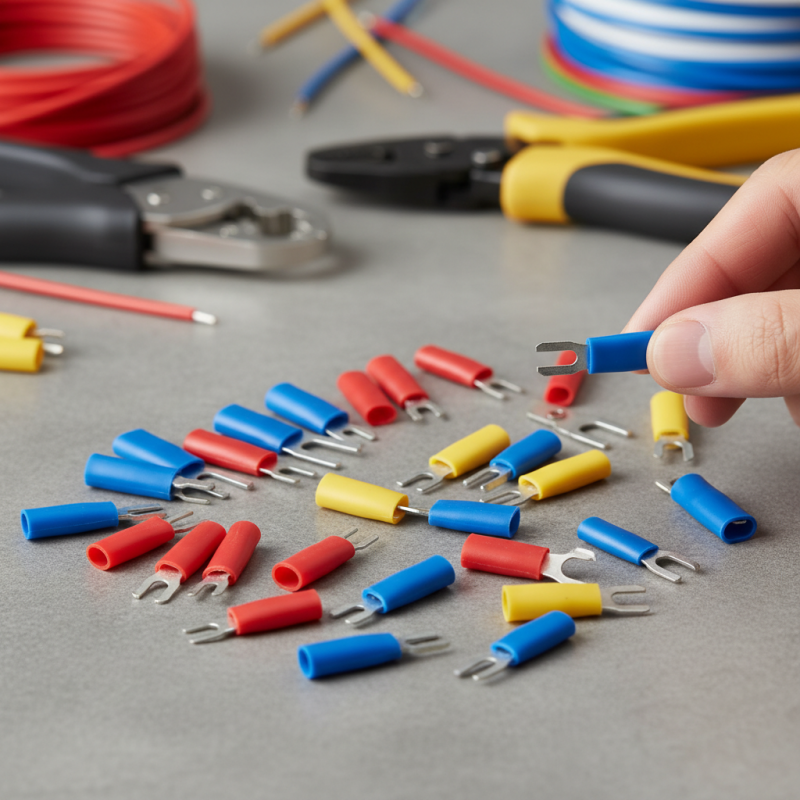
What are Nylon Insulated Terminals?
Nylon insulated terminals are essential components in electrical connections. They offer durability and resistance to moisture. Made from nylon, these terminals are designed to withstand temperature changes. This makes them suitable for both indoor and outdoor applications.
These terminals come in various shapes and sizes. They can be crimped onto wire ends for secure connections. The nylon insulation provides an added layer of protection against shorts. However, it’s crucial to use them correctly. An improper crimp can lead to failures. Always check the connection before use.
In automotive, these terminals are widely used. They connect critical components such as batteries and alternators. In industrial settings, they help in wiring harness assemblies. Despite their advantages, challenges can arise. Not every environment is suitable for nylon insulation. High temperatures or exposure to harsh chemicals may compromise functionality. Always assess the application needs before selecting terminals.
What is a Nylon Insulated Terminal and Its Applications?
| Feature | Description |
| Material | Nylon |
| Temperature Rating | -40°C to 105°C |
| Voltage Rating | 600V |
| Wire Size Compatibility | 16 AWG to 10 AWG |
| Application Area | Automotive, Electrical, Marine |
| Advantages | High resistance to heat and chemicals, sturdy and durable |
| Disadvantages | Can be more expensive than other insulation materials |
Key Properties of Nylon Insulation in Electrical Applications
Nylon insulated terminals are common in various electrical applications. Their unique properties make them highly sought after in the industry. One significant advantage is their excellent resistance to heat. This feature contributes to their durability in high-temperature environments. Additionally, nylon insulation offers a great degree of mechanical strength. This helps them withstand rigorous use without easily breaking or cracking.
Another essential property is resistance to chemicals and moisture. Nylon insulation protects terminals from degradation in harsh conditions. This level of resilience is crucial, especially in marine or outdoor applications. Despite these benefits, some might overlook potential issues with nylon. For example, prolonged exposure to UV light can weaken the material, raising considerations for outdoor use.
Moreover, the electrical properties of nylon are noteworthy. They provide good dielectric strength, reducing the risk of shorts. However, achieving a perfect seal can sometimes be challenging. Improper installation can lead to vulnerabilities. Users must be vigilant during installation to ensure optimal performance. Proper handling and attention to detail help maximize the benefits of nylon insulated terminals.
Common Types of Nylon Insulated Terminals and Their Uses
Nylon insulated terminals are crucial in electrical wiring. They provide sealing and insulation, enhancing safety. Different types serve various purposes. Among them, butt connectors, ring terminals, and spade terminals are common.
Butt connectors are widely used for connecting two wires. They ensure a secure connection without exposing wires. These terminals can be challenging to install correctly, leading to potential issues. A well-made connection is key for reliable performance.
Ring terminals offer a secure attachment point. They work best when connecting wires to a screw. However, choosing the wrong size can cause faulty connections. It’s important to measure accurately before installation.
Spade terminals are easy to use and offer quick connections. They can be connected or disconnected easily. Yet, they may come loose over time. Regular checks are wise to ensure safety.
Tips: Always use appropriate tools. A poorly crimped terminal can lead to failure. Also, consider environmental factors. Exposed terminals may degrade faster in harsh conditions. Regular maintenance can prevent unexpected problems.
Industry Standards and Certifications for Nylon Insulated Terminals
Nylon insulated terminals are widely used in various industries due to their durability and resistance to different conditions. These terminals are designed to connect wires securely. They can withstand high temperatures and resist moisture, making them suitable for both indoor and outdoor applications. Understanding the industry standards and certifications is critical for ensuring quality and safety.
The most recognized standards include UL and CSA certifications. These ensure that nylon insulated terminals meet specific safety and performance criteria. According to a 2021 industry report, over 75% of manufacturers prioritize these certifications when sourcing components. This trend reflects a growing awareness of product safety in electrical applications. Choosing terminals that comply with these standards can prevent potential hazards.
**Tip:** Always verify certification labels when purchasing terminals. This can save time and resources in the long run.
Another interesting aspect is the varying thickness of nylon insulation. Some reports indicate that increasing insulation thickness can significantly enhance durability. However, thicker insulation may complicate installation. Ensuring that the right balance is struck is essential for efficiency. Are the thicker options really worth the trade-off in ease of use?
Market Trends and Future Outlook for Nylon Insulated Terminals
Nylon insulated terminals are becoming popular in various industries. Their durability and resistance to heat make them valuable. Many manufacturers are shifting to these terminals for better performance. The rise in electric vehicles is a significant factor driving demand. As more people seek reliable electrical connections, nylon terminals are often preferred.
The future of nylon insulated terminals looks promising. Emerging technologies may enhance their design and functionality. For instance, advancements in materials may lead to even stronger insulation. This could further improve safety in high-stress environments. However, challenges exist. Some users still favor traditional materials due to familiarity. Resistance to change can slow market growth.
Environmental considerations are becoming crucial. Manufacturers must address sustainability concerns. Recycling old terminals poses another challenge. Future developments need to factor in eco-friendliness. Balancing performance with environmental impact will be essential in the coming years. This presents both a challenge and an opportunity for innovation.