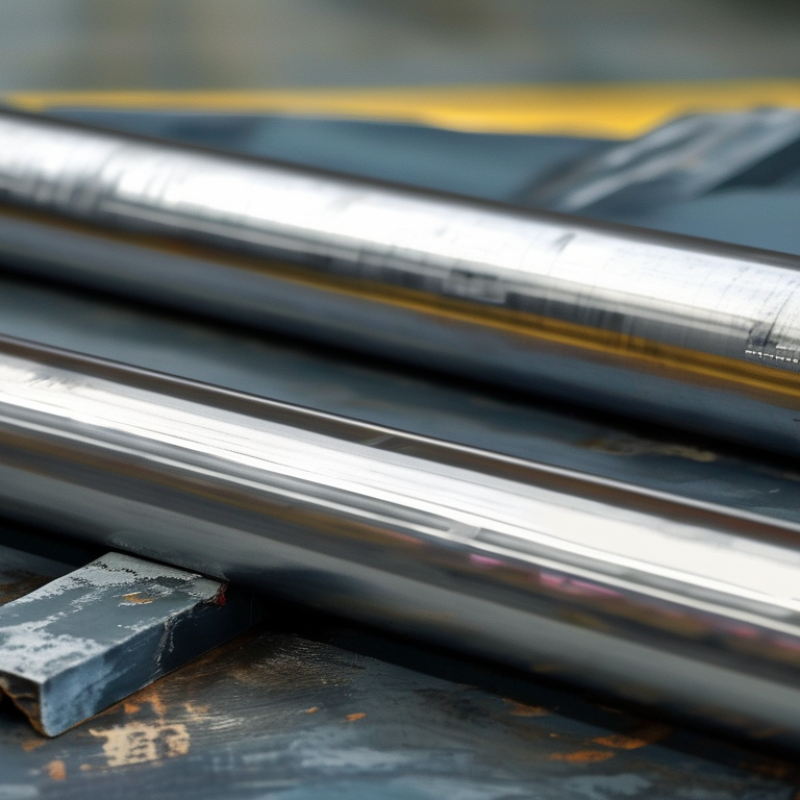
What is Monel K500 Bar Applications and Benefits?
Monel K500 Bar is a remarkable alloy known for its unique properties. Industry expert Dr. Emily Carter once said, “Monel K500 Bar combines strength with corrosion resistance, making it ideal for harsh environments.” This statement underlines the importance of this material across various sectors.
In applications such as aerospace, marine, and chemical processing, Monel K500 Bar stands out. Its ability to withstand extreme conditions ensures performance and reliability. However, it is crucial to ensure proper selection and application of this material. Mistakes in usage can lead to significant challenges.
Despite its advantages, some still question the long-term benefits of Monel K500 Bar in all applications. There are factors, such as cost and specific environmental conditions, which may affect its suitability. Understanding these nuances is important for making informed decisions in its application.
What is Monel K500?
Monel K500 is a nickel-copper alloy known for its excellent strength and corrosion resistance. It contains around 63% nickel and 28% copper, along with small amounts of aluminum and titanium. This specific composition enhances its mechanical properties, making it a preferred choice in various industrial applications. The alloy is often found in marine environments, due to its ability to withstand seawater and other harsh conditions.
The versatility of Monel K500 extends to multiple sectors. It is commonly used in the aerospace, chemical processing, and oil and gas industries. The material's resistance to pitting and fatigue makes it ideal for fasteners, pumps, and valves. Its non-magnetic nature is also beneficial in applications where magnetic interference is a concern. However, certain processing methods can affect its mechanical performance, leading to inconsistency in results.
Despite its advantages, using Monel K500 might not always be straightforward. The alloy can be challenging to machine, requiring specific tools and techniques. Additionally, while it exhibits great resistance to corrosion, not all environments are suitable. It's vital for engineers to evaluate the specific conditions before deciding on its use. Understanding these nuances helps ensure optimal performance and longevity in applications.
What is Monel K500 Bar Applications and Benefits?
| Application Area | Benefits | Typical Specifications |
| Marine Engineering | Excellent corrosion resistance in seawater environments | ASTM B865, UNS N05500 |
| Aerospace Components | High strength and toughness | Yield Strength: 90 ksi (620 MPa) |
| Oil and Gas Industry | Resistant to sour gas and high pressure | ASTM B164, API 6A |
| Chemical Processing | Ability to withstand harsh chemical environments | ASTM B564 |
| Hydraulic Components | Corrosion resistance and strength in hydraulic systems | Tensile Strength: 120 ksi (825 MPa) |
Chemical Composition and Mechanical Properties of Monel K500
Monel K500 is a nickel-copper alloy known for its excellent corrosion resistance and high strength. Its chemical composition includes about 63% nickel and 28% copper, along with other elements like aluminum and titanium. This unique blend makes it suitable for harsh environments, especially in marine applications.
The mechanical properties of Monel K500 are impressive. It has a high tensile strength of up to 1,400 MPa. Its yield strength also exceeds that of many materials, making it ideal for demanding structural applications. Despite these strengths, the material can be difficult to machine and form, which poses challenges during manufacturing. Additional heat treatment enhances its properties, but not every shop has the expertise to handle this process correctly.
Applications for Monel K500 extend to valve seats, pumps, and marine props. Its resistance to seawater corrosion is vital in these areas. However, users must consider the cost and availability. Not every project can justify its price point. When choosing materials, the balance between performance and cost is crucial.
Common Applications of Monel K500 in Various Industries
Monel K500 is widely used across various industries due to its exceptional properties. This nickel-copper alloy offers excellent corrosion resistance and high strength, making it suitable for demanding environments. In marine applications, Monel K500 resists seawater corrosion effectively. This property makes it ideal for components like propeller shafts and pump housings.
In the oil and gas industry, Monel K500 is often applied in valve components and piping. These parts require materials that can withstand harsh conditions and chemical exposure. The alloy's durability provides reliability, reducing maintenance costs over time. Its wear resistance is also a significant advantage in sectors such as aerospace and chemical processing.
**Tip:** When choosing Monel K500 for specific applications, consider the environmental factors it will encounter. The alloy performs best in non-oxidizing conditions.
Additionally, you may encounter challenges with fabrication techniques. Welding Monel K500 requires advanced skills to avoid issues like cracking. Consulting with experienced professionals can ensure the proper methods are used.
**Tip:** Always verify the alloy's compatibility with other materials in your project. This helps to maintain long-term performance and avoid unexpected failures.
Benefits of Using Monel K500 Bars in Manufacturing
Monel K500 bars are gaining popularity in various manufacturing sectors due to their exceptional properties. These bars exhibit high strength and corrosion resistance, particularly in marine environments. According to a report by the Nickel Institute, Monel K500 boasts a tensile strength up to 140,000 psi, making it suitable for demanding applications. Its resistance to seawater and chemicals further enhances its appeal for industries like oil and gas, marine engineering, and aerospace.
Using Monel K500 bars can significantly reduce maintenance costs. The durability of these materials allows manufacturers to extend service life and minimize replacements. The American Society for Testing and Materials (ASTM) indicates that Monel K500 withstands pitting and stress corrosion cracking better than many alternatives. This translates into fewer failures in critical applications, an essential factor for projects where safety and reliability are paramount.
However, reliance on Monel K500 is not without challenges. Some manufacturers may find the initial cost higher than other materials. Additionally, welding Monel K500 requires skilled labor to avoid issues such as hot cracking. Addressing these challenges is crucial while considering its benefits for long-term projects.
Comparison of Monel K500 with Other Nickel Alloys
Monel K500 is a nickel-copper alloy known for its corrosion resistance and strength. Its primary application includes marine environments and oil and gas extraction. However, comparing Monel K500 to other nickel alloys, such as Inconel and Hastelloy, highlights its unique advantages and limitations.
When examining mechanical properties, Monel K500 offers high tensile strength, up to 125 ksi. Inconel, while also strong, has a better ability to withstand high temperatures. Hastelloy excels in oxidation resistance. According to the Alloy Designation System, Monel K500's unique combination of corrosion resistance and mechanical strength often makes it the preferred choice in specific applications. However, in extreme environments, Inconel may be a more suitable option.
Cost is a critical factor. Monel K500 is typically less expensive than Inconel grades. However, its slightly lower temperature resistance can limit its use in some power generation applications. Therefore, choosing the right alloy depends on the specific environmental factors at play, such as temperature and chemical exposure. This nuanced selection process often leads to reflection on whether the benefits of Monel K500 are truly aligned with the project’s demands.