What is a Lifting Socket and How Does it Work?
In the field of heavy lifting, the "Lifting Socket" plays a crucial role. Renowned industry expert, Dr. Jane Thompson, states, "A Lifting Socket is essential for ensuring safety and efficiency in construction sites." These specialized tools make the lifting process safer and more reliable. However, their design and application can vary widely.
Lifting Sockets are often overlooked yet incredibly vital. They provide a connection point for lifting equipment, allowing for the movement of heavy loads. Even minor mistakes in selecting or using a Lifting Socket can lead to serious accidents. The industry often faces challenges, including the need for better training in selection and use.
Understanding what a Lifting Socket is and how it works is key for professionals. They must prioritize quality and safety, as not all products are equally reliable. Awareness and training can prevent mishaps. Balancing efficiency with safety in this specialized field is an ongoing need for improvement.
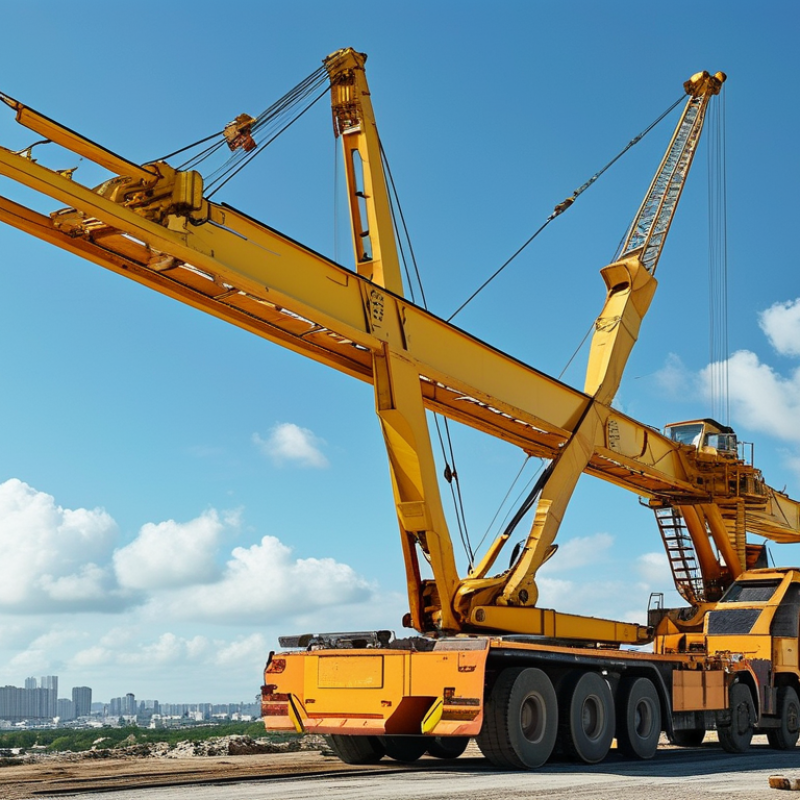
What is a Lifting Socket?
Lifting sockets play a crucial role in the construction and manufacturing industries. They are designed to handle heavy loads safely and efficiently. A lifting socket is a device that connects lifting equipment, like cranes or hoists, to loads. It provides a secure attachment point for lifting slings or chains.
Installing a lifting socket requires careful attention to detail. Proper alignment and secure mounting are essential. This ensures that the load is distributed evenly, minimizing the risk of accidents. A well-installed lifting socket can significantly enhance workplace safety.
**Tips:** Always check the lifting capacity of the socket. Overloading can lead to failure. Consider conducting regular inspections to ensure the integrity of the socket. Any signs of wear should be addressed immediately.
When choosing a lifting socket, remember it must be suitable for your specific application. Not all lifting sockets are alike. Different designs cater to different types of loads. Understanding these differences can prevent mishaps during lifting operations.
**Tips:** Educate your team on safe lifting practices. Awareness of the limitations of lifting sockets is vital. Take time to review installation procedures together. This can create a culture of safety and responsibility in your workplace.
Design and Construction of Lifting Sockets
Lifting sockets are critical components in heavy machinery, enabling efficient lifting and transportation of materials. The design of a lifting socket focuses on strength and durability. Typically made from high-grade steel, these sockets withstand significant loads. The inner design often features a tapered profile, allowing for a secure fit with lifting equipment like hooks or shackles.
Data from industry reports shows that structural failures often occur in lifting operations due to inadequate socket design. Approximately 30% of accidents in construction arise from lifting mishaps. Improving socket designs can significantly reduce these incidents.
Tips: Always inspect lifting sockets for wear or damage before use. Regular maintenance extends their life and ensures safety during operations. Consider investing in stress-testing equipment to evaluate the strength of your sockets. While many designs are robust, no lift socket is foolproof. Always practice safety protocols.
Lifting Socket Usage Statistics
Types of Lifting Sockets and Their Applications
Lifting sockets are essential tools used in various industries. They enable safe lifting and handling of heavy loads, ensuring operational efficiency. There are several types of lifting sockets, each tailored for specific applications. For instance, standard lifting sockets work well for general lifting tasks. Meanwhile, recessed and flush-mounted sockets provide a more discreet option, often used in assembly operations.
According to a report by the International Lifting & Equipment Standards Organization, robust lifting sockets can handle loads of up to 30 tons or more, depending on their design. In the construction industry, this capability is critical for safe maneuvering of heavy materials. In contrast, smaller, specialized sockets are frequently used in manufacturing settings where precision is key. These sockets may handle lighter loads but require meticulous alignment to function safely.
When selecting lifting sockets, consider the weight and type of load. Always check the specifications before use. Miscalculations can lead to accidents. Regular inspections are crucial. Over time, wear and tear can affect performance. Maintaining equipment is necessary for safety and efficiency.
How Lifting Sockets Work in Lifting Operations
Lifting sockets play a crucial role in various lifting operations across industries. They provide a secure connection point for lifting equipment, ensuring safety and efficiency. In heavy lifting scenarios, the right socket can determine the success of a lift. Industry reports indicate that improper lifting techniques contribute to 34% of workplace accidents, highlighting the importance of reliable equipment.
When lifting with sockets, proper load distribution is vital. An evenly distributed load minimizes the risk of equipment failure. Research shows that sockets used in lifting operations must be capable of handling dynamic loads, often up to three times the static load rating. This means regular inspections and choosing the right lifting socket are essential.
Despite advancements, there are still challenges. Many workers underestimate the importance of training in socket use. Reports suggest that improper training leads to improper usage nearly 15% of the time. Lifting operations demand attention, so adherence to safety protocols cannot be overlooked. Reflecting on these practices can significantly enhance both safety and efficiency in lifting environments.
Safety Considerations When Using Lifting Sockets
When using lifting sockets, safety must be the top priority. These components are essential for rigging and lifting heavy loads. However, improper use can lead to accidents. Always inspect the lifting socket before use. Look for visible wear, cracks, or any signs of damage. A small flaw can compromise its strength.
Tips: Consider using load testing to ensure that the lifting socket can handle the expected weight. Regular maintenance can help extend the life of your equipment. Proper storage is also crucial; protect sockets from moisture and corrosive elements.
It’s essential to use the right lifting tools for your specific load requirements. Mismatched equipment can be dangerous. Training is vital for all personnel involved in lifting operations. Understanding the weight limits and proper techniques reduces risk. Not everyone may recognize their own limits. Always stay alert and avoid distractions during heavy lifting tasks. Each step counts in ensuring safety.