2026 How to Choose the Best Aluminum Industrial Profile?
Choosing the right Aluminum Industrial Profile is crucial for any project. It impacts strength, durability, and overall performance. Different industries use various aluminum profiles. Understanding the specific needs of your application will guide your decision.
Consider the load requirements and environmental factors. Some profiles perform better under certain conditions. For example, anodized finishes offer enhanced corrosion resistance. Additionally, the dimensions of the profile can affect assembly and integration. Small changes can lead to significant differences in functionality.
Many overlook the importance of quality and supplier reputation. Not all aluminum profiles are created equal. Investing time in research can pay off. Look for manufacturers with a solid track record. This ensures a reliable product that meets your performance expectations. Making informed choices in selecting an Aluminum Industrial Profile can save time and resources in the long run.
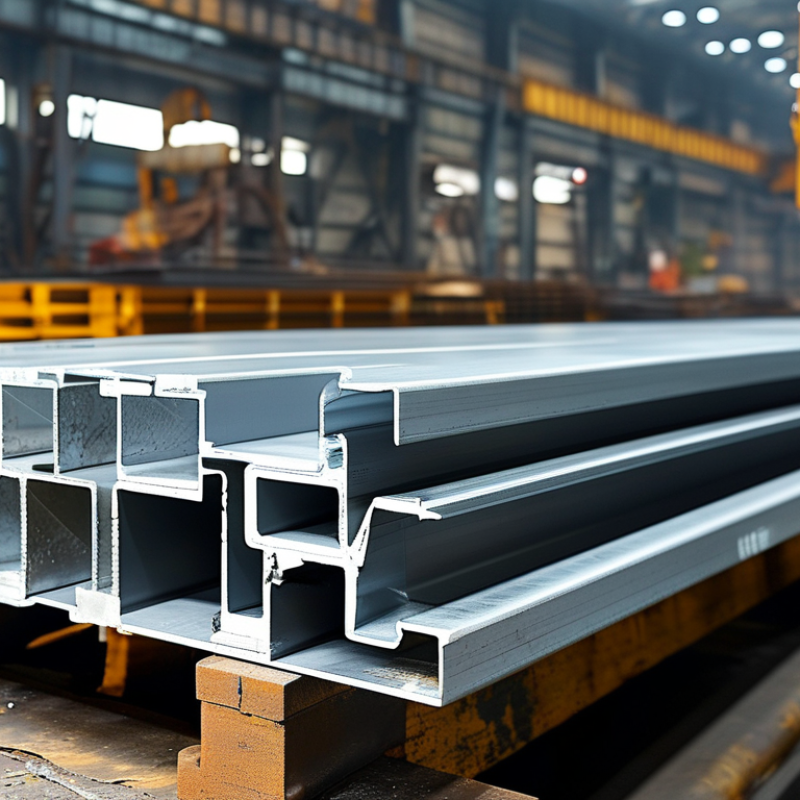
Understanding Aluminum Industrial Profiles: Types and Applications
Aluminum industrial profiles come in various types, each with unique applications. These profiles can be categorized into extruded, rolled, and cast forms. Extruded profiles are particularly popular due to their versatility. They are often used in construction and manufacturing. Rolled profiles are another option, offering strength and durability. These are commonly utilized in the automotive and aerospace industries. Cast profiles, while less common, provide excellent detailed shapes for specific applications.
Selecting the right type involves understanding your project needs. Consider the weight requirements, structural integrity, and aesthetic preferences. For example, a lightweight frame may suit one application, while a sturdier design is needed elsewhere. It’s crucial to balance these factors to ensure optimal functionality. Often, projects may require adjustments after initial assessment, so flexibility during the selection process is vital.
The sourcing of aluminum profiles can also impact quality. Reliable suppliers ensure that materials meet necessary standards. However, not all suppliers offer equal support or consistency. This can lead to challenges down the line. Researching and consulting with experts can help make informed decisions and avoid pitfalls. This emphasizes the importance of due diligence in selecting aluminum industrial profiles.
Key Factors in Selecting Aluminum Profiles for Industrial Use
Choosing the right aluminum profile for industrial applications is crucial. Several key factors play a significant role in this decision-making process. First, consider the application type. Will it be used for construction, automotive, or machinery? Each application demands specific properties.
Next, examine the size and shape of the profile. Standard dimensions may not fit every project. Custom shapes can better suit unique needs. Assessing weight and strength is also essential. Heavier profiles may offer more durability, but can increase costs.
Don’t overlook the finish of the aluminum. Anodized surfaces provide extra protection. It enhances longevity and appearance. Also, reflect on the sourcing of aluminum. Sustainable practices can impact your choice. Look for suppliers that prioritize eco-friendly operations.
2026 How to Choose the Best Aluminum Industrial Profile? - Key Factors in Selecting Aluminum Profiles for Industrial Use
| Key Factors | Description | Importance Level (1-5) |
| Material Quality | Evaluate the purity and mechanical properties of the aluminum alloy used. | 5 |
| Profile Design | Ensure the profile design meets the specific application requirements. | 4 |
| Finish and Coating | Check for protective coatings to enhance durability and aesthetics. | 3 |
| Weight | Consider the weight of the profile for shipping and installation efficiency. | 3 |
| Cost | Evaluate the cost in relation to the performance and longevity of the profile. | 4 |
| Supplier Reputation | Research supplier reliability and customer service track record. | 5 |
| Customization Options | Assess the ability to customize profiles to fit unique industrial needs. | 4 |
Evaluating Material Properties: Strength, Durability, and Weight
When selecting aluminum industrial profiles, evaluating material properties is crucial. Strength, durability, and weight significantly impact performance and application. Aluminum offers a high strength-to-weight ratio. This makes it a preferred choice for various industries, including automotive and aerospace. According to industry studies, aluminum alloys can achieve tensile strengths of around 300 MPa to 700 MPa, depending on the specific alloy used.
Durability is another essential factor. Aluminum resists corrosion, which prolongs the lifespan of products. A report from the Aluminum Association states that aluminum profiles can endure up to 50 years in harsh environments without significant degradation. This longevity can reduce replacement costs and minimize maintenance efforts. However, it's important to note that the quality of the aluminum also matters. Lower-grade alloys may not provide the same resistance.
Weight plays a dual role in design and functionality. Lightweight profiles can enhance energy efficiency, especially in transport applications. For instance, reducing vehicle weight by just 10% can lead to a 5-7% improvement in fuel efficiency. Nonetheless, considering weight alone can lead to design oversights. Engineers must balance weight with necessary strength and stability. Each project may require different priorities based on usage and environmental conditions.
Industry Standards and Certifications for Aluminum Profiles
When choosing aluminum industrial profiles, understanding industry standards and certifications is crucial. These standards ensure quality and safety. Profiles meet various criteria, including strength, corrosion resistance, and dimensional accuracy. Certifications like ISO 9001 or ASTM specifications indicate adherence to these essential norms.
Tips: Always check for certifications when selecting suppliers. Verified profiles offer assurance of quality. A lack of certifications can be a red flag.
Beyond certifications, consider the manufacturing process. Different techniques, such as extrusion or rolling, impact the properties of aluminum profiles. Certified profiles undergo stringent testing, ensuring they can withstand specific loads and environmental conditions. Yet, not all profiles will meet every project's unique demands. Pay attention to specific requirements, as using an unsuitable profile may lead to project failures.
Tips: Request test results and compliance documentation from suppliers. This verification builds trust and ensures you make informed decisions. Regularly reassess suppliers for reliability. Changes in processes or standards can affect product quality.
Cost Analysis: Balancing Quality and Budget for Aluminum Solutions
When selecting aluminum industrial profiles, cost becomes a crucial factor. Balancing quality and budget is essential for successful projects. A high-quality aluminum profile may have a higher initial cost, but it can lead to savings over time through durability and lower maintenance. It's vital to assess your needs against the available budget carefully.
Considerations should extend beyond upfront costs. Think about the long-term implications. Cheaper options might wear out faster, incurring additional replacement expenses. Some profiles may seem attractive initially, but check their performance metrics. Evaluate service life, corrosion resistance, and weight before making a decision. These factors influence overall cost efficiency.
Investing in detailed cost analysis can prevent overspending. Calculate the total cost of ownership, including installation and maintenance. It’s a path to wiser choices. After all, a balance between quality and budget is achievable only through informed decisions. Quality choices open the door to reliable outcomes.