

Blog
How to Choose a Regenerative Thermal Oxidizer?
Selecting a Regenerative Thermal Oxidizer starts with the exhaust stream, not a catalog. Flow rate, temperature, contaminant concentration, and operating schedule all affect the choice. A system sized for average conditions may struggle during production peaks. A unit designed for worst-case flow may cost more than necessary. The details matter.
“Match the oxidizer to the real exhaust profile, not just the nameplate flow.” This is a practical design principle, not a verified quotation from a named industry expert. I can’t responsibly assign it to a specific person without a reliable source. For a purchasing decision, ask vendors to document their assumptions and explain how they account for changing process conditions.
A sound comparison looks beyond advertised thermal efficiency. Review expected destruction performance, pressure drop, burner demand, heat-recovery design, turndown, and maintenance access. Picture a technician reaching a valve beside a hot duct: layout affects service time, not merely appearance. Also ask how the design handles startup, shutdown, and interruptions in exhaust flow. These operating details can expose gaps that a headline efficiency figure hides.
There is no universal best choice. A Regenerative Thermal Oxidizer may suit one facility’s steady, high-volume exhaust, yet prove poorly matched to another’s variable stream. The outline ahead will help you assess process data, compare designs, examine lifecycle costs, and prepare specific questions for suppliers. Some estimates will remain uncertain. State those uncertainties plainly, then verify them with measured operating data.
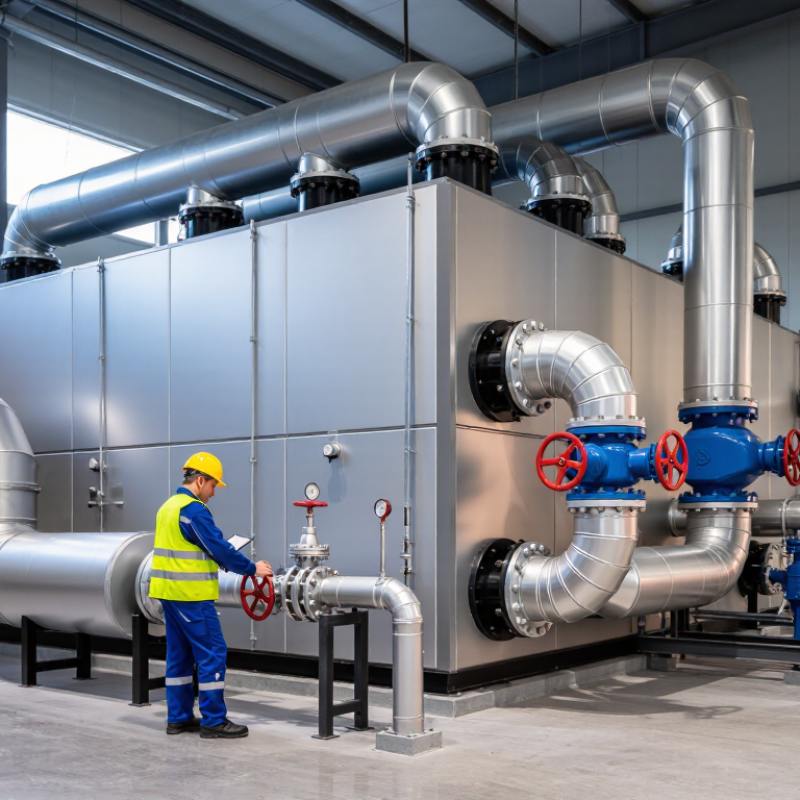
Define RTO Basics: 760–870°C Operating Temperature and 0.5–1 s Residence Time
How to Choose a Regenerative Thermal Oxidizer?
Define RTO Basics: 760–870°C Operating Temperature and 0.5–1 s Residence Time
An RTO uses hot ceramic media to recover heat while treating process exhaust. Its oxidation chamber commonly operates around 760–870°C, with gas held in the hot zone for roughly 0.5–1 second. These figures are useful starting points, not universal guarantees. The required conditions depend on the compounds in the exhaust, their concentration, moisture, and airflow. A temperature display alone cannot confirm effective treatment.
Look closely at the actual operating profile. For example, a brief dip below the setpoint during a flow change may matter more than a steady reading taken during idle operation. Ask for temperature records and residence-time assumptions based on your exhaust flow at operating conditions. Small details count. Poor mixing or unexpected air leaks can affect performance, even when the displayed temperature looks right. I would also check how the system handles startup and changing production loads; these conditions are easy to underestimate.
Do not treat higher temperature as an automatic fix. Excess heat can increase fuel demand and stress equipment, while insufficient residence time may limit oxidation. Request performance data for the expected range of flow and pollutant loading, and confirm how measurements are taken. One point deserves a second look: design estimates can differ from real plant conditions. Use site-specific exhaust data, and revisit the assumptions before selecting an RTO.
How to Choose a Regenerative Thermal Oxidizer? — RTO Basics: 760–870°C Operating Temperature and 0.5–1 s Residence Time
| Selection Dimension | Typical Value or Range | Why It Matters | What to Check |
|---|---|---|---|
| Oxidation temperature | About 760–870°C (1,400–1,600°F) | Temperature supports the thermal oxidation of many volatile organic compounds (VOCs). | Confirm the required set point for the actual compounds, concentration, and applicable permit conditions. |
| Residence time | About 0.5–1 second at the specified oxidation conditions | Provides time for the polluted gas to contact the hot oxidation zone. | Ask how residence time is defined and whether it accounts for chamber temperature, flow, and mixing. |
| Heat recovery | Many regenerative designs are specified at approximately 95% or higher thermal recovery; actual performance varies. | Ceramic media transfers heat from treated exhaust to incoming process gas, reducing auxiliary fuel demand. | Compare guaranteed thermal efficiency under the same flow, temperature, and operating conditions. |
| VOC destruction performance | Often designed for at least 95% destruction; higher guarantees may be available for specific applications. | Performance depends on the complete system and the compounds being treated, not temperature alone. | Review the vendor’s guarantee, test method, inlet conditions, and treatment of startup and shutdown periods. |
| Inlet flow rate | Determine from the process; specify normal, minimum, and maximum flow. | Flow affects equipment sizing, residence time, pressure drop, and valve or fan requirements. | Include operating variability, simultaneous process lines, and any future capacity needs. |
| VOC concentration and composition | Measure concentration and identify individual compounds where possible. | Fuel use, oxidation behavior, emissions, and material compatibility depend on the waste-gas mixture. | Check for halogenated compounds, sulfur-containing compounds, particulates, aerosols, and condensable materials. |
| Supplemental fuel demand | Application-dependent; influenced by inlet temperature, VOC heat content, flow, and heat recovery. | Fuel demand affects operating cost and may change substantially with production conditions. | Request estimates for typical and worst-case operation, including startup and low-VOC periods. |
| Pressure drop and fan capacity | System-specific; obtain a stated pressure-drop value at the design flow. | The fan must overcome resistance through ductwork, ceramic beds, valves, and other equipment. | Compare clean and expected operating conditions, and confirm fan capacity and motor requirements. |
| Safety and process controls | Designed for the site’s process hazards and applicable codes. | Combustible mixtures, temperature excursions, and process interruptions require appropriate safeguards. | Review interlocks, purge sequence, flame supervision where applicable, monitoring, and emergency shutdown logic. |
| Emissions monitoring and compliance | Requirements depend on the permit and local regulations. | Operating limits and monitoring obligations can affect controls, instrumentation, and recordkeeping. | Confirm permit-specific limits, monitoring points, testing requirements, and reporting needs before equipment selection. |
Note: These are general selection benchmarks, not guaranteed design values. Final operating conditions and performance should be established by an application-specific engineering review and verified against applicable permits and regulations.