Why Do You Need a Forklift Collision Detection System?
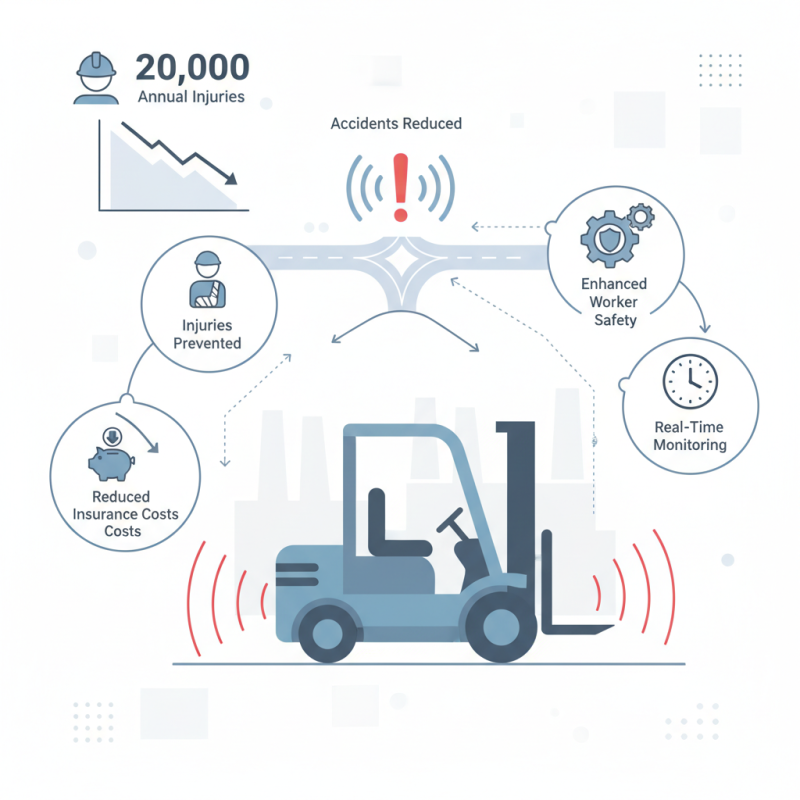
Accidents involving forklifts are a significant concern in industrial settings. According to the Occupational Safety and Health Administration (OSHA), around 20,000 workers are injured annually in forklift-related incidents. These statistics highlight the critical need for effective safety measures. A Forklift Collision Detection System can dramatically reduce these risks.
Many companies underestimate the value of such systems. Some organizations lack basic safety protocols. Investing in technology can prevent injuries and save lives. Forklift Collision Detection Systems provide real-time monitoring, increasing situational awareness. They integrate sensors and alarms to alert operators, which can prevent a collision before it occurs.
Implementing a Forklift Collision Detection System requires an initial investment. However, the long-term benefits, including reduced insurance costs and enhanced worker safety, are significant. Organizations must reflect on their current safety practices. As the industry evolves, embracing innovative solutions is essential to protect workers. The time to reassess safety strategies is now.
Understanding Forklift Collision Risks in Warehousing Environments
Forklifts are vital in warehouses. They transport heavy loads efficiently. However, they also pose significant collision risks. With many workers and equipment in tight spaces, accidents can happen easily. A sudden turn or a blind spot can lead to serious injuries. Understanding these risks is crucial for safety.
Incidents often occur due to human error. Operators might miss seeing pedestrians or other machines. Poor visibility can heighten the danger. Installing a collision detection system can help. It alerts drivers to nearby objects, improving situational awareness. This system can maintain a safer work environment. Yet, reliance on technology should not replace training.
Workers need regular safety training. They must understand the limitations of forklifts. Even with detection systems, accidents can still occur. Reflection on past incidents can lead to better practices. Continuous improvement is necessary for warehouse safety. A proactive approach can significantly reduce collision risks.
The Importance of Forklift Safety for Workers and Equipment
Forklifts are a common sight in warehouses and construction sites. They are essential for moving heavy loads. However, they can also pose serious risks to workers and equipment. Forklift collisions can lead to injuries and costly damage. This is why a forklift collision detection system is vital for any workplace that uses these machines.
A detection system helps prevent accidents by alerting operators of potential hazards. This technology monitors the environment around the forklift. It can detect obstacles, other workers, and equipment. When the system identifies a threat, it can warn the driver or even stop the vehicle. This proactive approach can save lives. Yet, some workplaces overlook safety measures, thinking accidents won't happen to them. This mindset can lead to tragedies that are easily preventable.
Worker safety should always be a priority. Even with safety systems, human error is a factor. Training is crucial for all operators. They must understand how to use equipment safely and respond to alerts. Regular maintenance of the forklift and safety systems is also essential. Without these steps, the system may not function correctly, leading to further risks. Investing time in these areas can create a safer work environment for everyone involved.
How Collision Detection Systems Improve Operational Efficiency
Collision detection systems for forklifts play a crucial role in enhancing operational efficiency. These systems use advanced sensors and alarms to monitor the surroundings. This technology helps prevent collisions inside warehouses or manufacturing facilities. Forklifts often operate in tight spaces with heavy traffic. A collision can lead to costly damages and injuries, making it vital to monitor areas of operation closely.
Implementing these systems allows for smoother workflow. Operators receive real-time feedback about potential hazards. This information aids in making quicker decisions. Forklift drivers feel more secure knowing that there’s an additional layer of safety. However, some might resist this change, feeling it complicates their job. Adjusting to new technology often leads to initial confusion and frustration. Eventually, the benefits of improved safety and efficiency become evident.
Safety always requires reflection. While collision detection systems improve workplace safety, they are not foolproof. There are still instances of human error. Operators must remain vigilant and adaptable. Proper training on these systems can bridge any gaps. Fostering a culture of safety brings continuous improvements to overall operations.
Key Features of Effective Forklift Collision Detection Systems
Forklift collision detection systems are essential in busy work environments. These systems significantly enhance safety and reduce accidents. Effective systems utilize sensors to detect nearby obstacles. They can alert operators with visual or auditory signals. This immediate feedback can prevent collisions before they happen.
Another key feature is real-time monitoring. Systems track the forklift’s movement and surroundings constantly. They can be programmed to adapt to different environments, like warehouses or construction sites. Some units even log incident data for analysis. This helps identify recurring issues, leading to improved safety protocols.
While these systems offer robust safety measures, implementation can be challenging. Training is crucial for operators to understand how to use the technology effectively. Additionally, occasional false alarms can happen, which may lead to frustration. A thoughtful approach to training and system integration can mitigate these concerns, enhancing overall efficiency and safety in the workplace.
Best Practices for Implementing Collision Detection in Forklifts
Implementing a collision detection system in forklifts is crucial for workplace safety. According to a study by the National Institute for Occupational Safety and Health, about 20,000 forklift injuries occur each year in the United States. Many of these incidents result from collisions between forklifts and pedestrians or fixed objects. This alarming statistic underscores the need for effective systems.
When considering best practices for collision detection, training is vital. Operators must understand how to use these systems effectively. Regular drills can enhance their awareness of surroundings. Incorporating visual or auditory alerts helps workers remain vigilant. Data from the Occupational Safety and Health Administration indicates that proper training can reduce accidents by up to 30%.
Additionally, regular maintenance of collision detection systems cannot be overlooked. These systems require consistent checks to ensure accuracy. Failure to maintain them could lead to false alarms or, worse, failure to detect a real hazard. A 2020 report noted that poor maintenance practices were linked to a 25% increase in workplace accidents. Investing in quality control measures fosters a safer working environment.