What is a flange hexagon bolt and how to choose one?
flange hexagon bolts are essential in various industries, ensuring secure connections in mechanical assemblies. According to John Smith, a renowned expert in fastening technology, "Choosing the right flange hexagon bolt can significantly impact the integrity of your project." The importance of selecting appropriate bolts cannot be overstated.
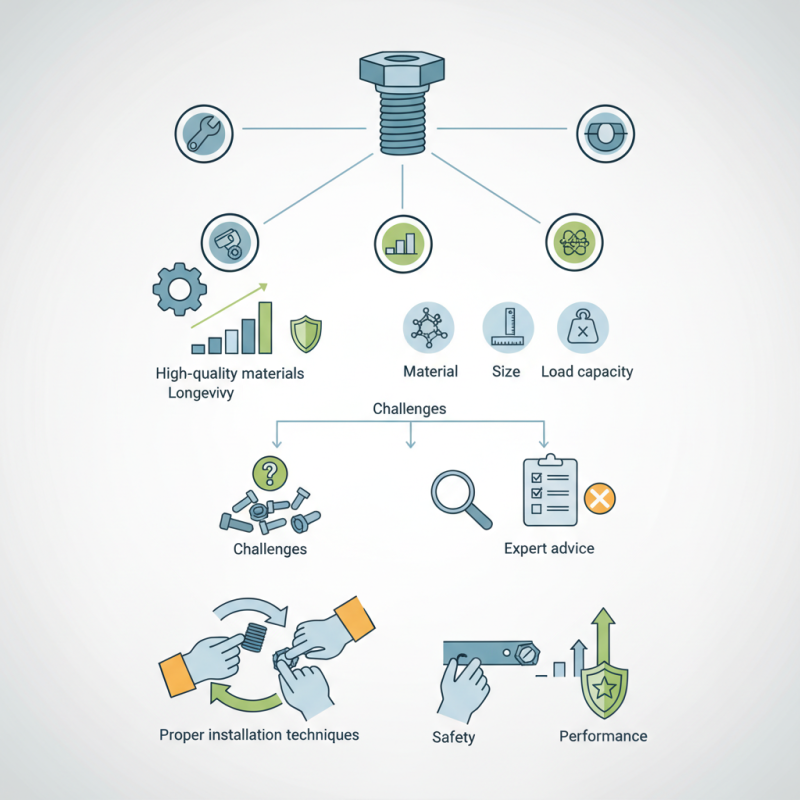
When considering flange hexagon bolts, factors such as material, size, and load capacity are crucial. High-quality materials prevent failure and promote longevity. However, many face challenges in determining which bolt fits their specific needs. It's not always a straightforward decision.
A better understanding of flange hexagon bolts is necessary. Professionals often overlook critical standards and proper installation techniques. Misjudgments can lead to safety hazards and project delays. Careful evaluation and expert advice can guide your choice effectively. Adhering to best practices elevates reliability and performance in each application.
What is a Flange Hexagon Bolt?
A flange hexagon bolt is a crucial component in many mechanical assemblies. Its design combines the functionality of a standard hexagon bolt with a built-in flange that distributes load. This feature minimizes the risk of deformation during installation and improves stability. The flange acts like a washer, providing better surface contact, which is essential when fastening materials together.
When selecting a flange hexagon bolt, consider the material and size. Common materials include steel and stainless steel, each offering different strengths and corrosion resistance. Measure the diameter and length carefully to ensure a proper fit. This is a seemingly simple step but can lead to significant issues if overlooked. Maintain standards in accordance with industry specifications for reliability.
Additionally, examine the head type of the bolt. A hexagonal head provides excellent torque when fastening. However, reflect on whether a different head design might serve your specific application better. Sometimes, the ideal choice isn’t the most obvious one, and exploring alternatives can lead to enhanced performance.
Key Features and Benefits of Flange Hexagon Bolts
Flange hexagon bolts are essential in many applications. They feature a wide flange that distributes load and reduces the risk of damage. This design allows for effective fastening in various materials. The increased surface area of the flange also enhances lockability, making these bolts reliable choices in critical assemblies.
When choosing a flange hexagon bolt, consider key features such as material and corrosion resistance. Stainless steel is popular for its strength and weather resistance. For high-stress environments, look for bolts with higher tensile strength ratings. Additionally, the bolt's diameter and length should match the specific application. Proper measurements ensure optimal performance and safety.
It’s worth noting that although these bolts are robust, not all flange designs suit every application. Some environments may require additional seals or washers. Potential misselecting may lead to failure, which can be costly. Evaluating the specific needs before making a decision is vital for effective and safe installations.
Different Materials Used for Flange Hexagon Bolts
Flange hexagon bolts are essential in various applications. The choice of material affects strength and corrosion resistance. Common materials include stainless steel, carbon steel, and alloy steel. Each one has distinct features, impacting its suitability for specific projects.
Stainless steel is popular due to its excellent corrosion resistance. About 70% of industries prefer this for outdoor or humid environments. However, it can be more expensive. Carbon steel, on the other hand, is cost-effective and strong. Yet, it may require coatings for rust prevention, which adds complexity.
Alloy steel is engineered for high strength and toughness. Often used in heavy-duty applications, it has a high tensile strength. However, the trade-off is that it might not be as readily available. Choosing the right material involves understanding the project’s demands and potential environmental factors. Each option has benefits and drawbacks. A thoughtful decision ensures durability and performance.
How to Select the Right Flange Hexagon Bolt for Your Project
When selecting the right flange hexagon bolt, you must consider several factors. These bolts feature a flanged head that provides a larger bearing surface. This helps distribute loads more evenly. The material of the bolt is critical; steel is common, but stainless steel offers corrosion resistance. Think about the environment where the bolt will be used. Humid or salty areas might require stronger materials.
Size is crucial for compatibility. Measure both the diameter and the length of the bolt. Incorrect sizing may lead to hardware failure. Additionally, the thread pitch affects how well the bolt fits into nuts or pre-tapped holes. It’s essential to understand the specific requirements of your project. Sometimes, a test fitting is necessary to avoid costly mistakes.
Don’t overlook the importance of proper torque specifications. Applying the correct torque ensures that the bolt remains secure under stress. Always refer to engineering guidelines for recommendations. Remember, even seasoned professionals sometimes miscalculate these details. Reflecting on previous projects can guide better choices in the future.
Flange Hexagon Bolt Specifications
This bar chart illustrates typical dimensions and properties of flange hexagon bolts used in various projects. Diameter, length, strength, and weight are critical factors to consider when selecting the right bolt for your application.
Common Applications of Flange Hexagon Bolts in Various Industries
Flange hexagon bolts are versatile fasteners widely used across various industries. These bolts feature a flanged head, which provides a larger surface area. This design helps distribute the load better, reducing the chances of damage to the connected materials. In construction, they are crucial for ensuring structure integrity. They secure steel beams, providing stability to buildings. The added surface area prevents loosening, making them ideal for high-stress applications.
In automotive manufacturing, flange hexagon bolts secure essential components. They are used to attach engines and other heavy parts. The reliability offered by these bolts enhances vehicle safety. In the aerospace industry, where every detail matters, they hold components together under extreme conditions. Engineers often select these bolts for their strength and durability. However, users must consider factors like material and coating to prevent corrosion. A common mistake is choosing the wrong size, leading to possible failures.
Industrial machinery often requires flange hexagon bolts. These bolts withstand vibrations and heavy usage. However, choosing the right bolt involves understanding load requirements. An inadequate selection can result in malfunction or accidents. It’s important to test the bolts in actual conditions to ensure they meet the necessary standards. Careful evaluation of the application needs goes a long way in preventing future complications. It's a challenge that engineers and technicians frequently face.