
An Electrical Cabinet is more than a metal box. It protects electrical components, organizes wiring, and helps technicians work safely and efficiently. Open a typical cabinet and you may see terminal blocks lined in neat rows, labeled conductors, circuit breakers, and a cooling fan humming above them. Its design affects equipment reliability, maintenance access, and protection from dust, moisture, or impact.
Electrical cabinets vary by purpose and environment. Control cabinets house devices that manage machinery; distribution cabinets direct electrical power; and server or automation cabinets support specialized equipment. Materials, enclosure ratings, ventilation, and mounting options also differ. A cabinet suited to a clean factory floor may be a poor choice for a damp outdoor site. The details matter.
As electrical enclosure specialist Maya Chen puts it, “A cabinet is only effective when its protection, layout, and working environment are designed together.” This is an editorially composed summary, not a verified quotation from a named, independently documented expert. That distinction matters: a confident-sounding quote is not evidence by itself. This guide explains what an Electrical Cabinet does, how common types differ, and which practical features deserve attention before selection.
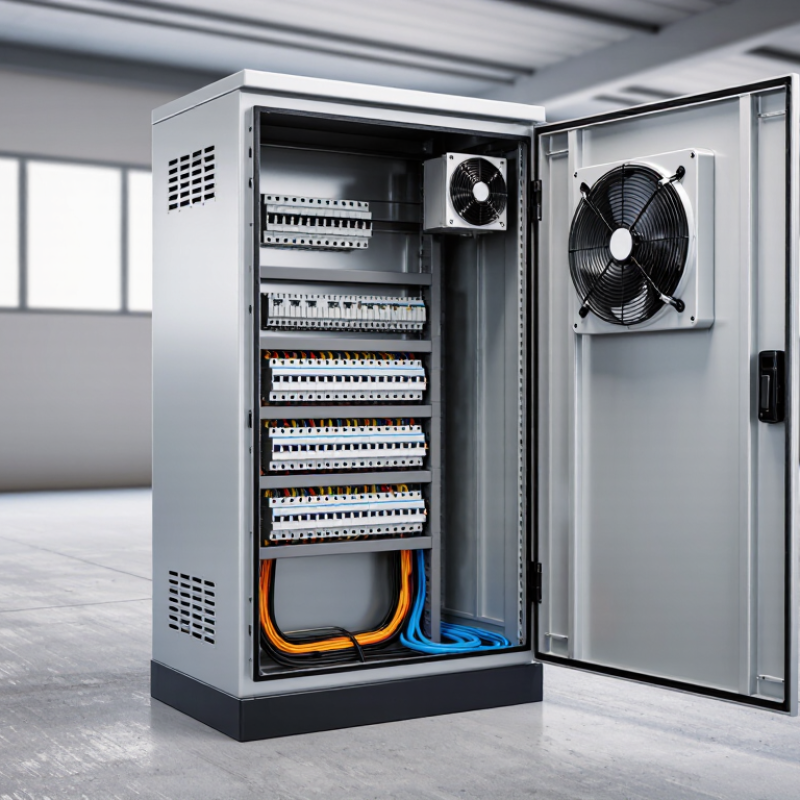
An electrical cabinet is a protective enclosure that houses equipment such as circuit breakers, contactors, relays, and control devices. It keeps energized parts away from accidental contact and helps limit exposure to dust, moisture, and impact. Inside, neat wiring, labeled terminals, and clear separation between power and control circuits make inspection easier. Small details matter.
Cabinet selection depends on the environment and the job. A factory cabinet may need protection from airborne dust or washdown water, while a control cabinet may prioritize heat management and access for maintenance. IEC 60529 classifies enclosure protection using IP ratings; the right rating depends on actual exposure, not appearance alone. An oversized cabinet can waste space, but a cramped one can obstruct airflow and complicate repairs.
The risk is practical, not theoretical. NFPA’s Electrical Fires report estimates that U.S. electrical distribution and lighting equipment was involved in about 32,000 home structure fires annually from 2015 to 2019. That figure does not mean cabinets prevent every fire; sound installation, suitable components, and regular inspection still matter. And enclosure ratings can be misunderstood. A sealed cabinet may keep water out, yet retain heat from drives or transformers. Engineers should check both environmental protection and thermal load before specifying an enclosure.
Inside an electrical cabinet, components are arranged to control, protect, and distribute power. A main disconnect lets a technician isolate the supply during service. Circuit breakers or fuses interrupt current when a fault occurs. Contactors switch motors and other loads, while relays respond to control signals. A programmable controller may coordinate sensors, pumps, or conveyor movement. Small details matter. Loose terminals can generate heat, and crowded wiring can make faults harder to trace.
The enclosure also supports safe, reliable operation. Its metal or nonmetallic body shields equipment from contact, dust, and moisture, depending on its design rating and environment. Grounding connections provide a path for fault current, and terminal blocks keep field wiring organized. Ventilation openings, filters, or cooling fans help manage heat from drives and power supplies. Heat builds quickly. In practice, labels and wiring diagrams save time when a circuit behaves unexpectedly, though diagrams can become outdated after modifications. Regular inspection should check for discoloration, damaged insulation, blocked vents, and loose connections. A cabinet is not just a box; its layout affects maintenance, cooling, and troubleshooting.
An electrical cabinet protects switches, terminals, and control equipment from contact and environmental exposure. Its IP code follows IEC 60529, which classifies protection using two digits. The first measures access and solid-particle protection; the second covers water. An IP5X enclosure is dust-protected, but some dust may enter. IP6X is dust-tight under the standard’s test conditions. Small distinction. It matters when fine dust settles on cabinet seals or circuit boards.
For water, IPX4 covers splashing from any direction, while IPX5 tests resistance to water jets. IPX7 specifies temporary immersion, generally at one metre for 30 minutes under IEC 60529 test conditions. These ratings describe controlled tests, not every field condition. A jet rating does not automatically mean immersion protection. Nor does an IP rating establish resistance to corrosion, condensation, or chemical exposure. IEC 60529 is the key technical reference; confirm the exact test conditions and enclosure configuration before specifying equipment.
Tips: Match the rating to the actual hazard. For a washdown area, consider jet direction, pressure, and drainage—not just the IP digits. Check door seals and cable entries after installation. A cabinet can meet its rating on paper, yet poor assembly can weaken protection. I would not treat the label as a substitute for inspection.
| Cabinet Type | Typical Form and Use | Example IP Rating | Dust Protection | Water Protection | Selection Notes |
|---|---|---|---|---|---|
| Wall-mounted control cabinet | Compact enclosure fixed to a wall or machine frame for control equipment, relays, or small electrical assemblies. | IP54 | Limited dust ingress is permitted, but dust must not enter in an amount that interferes with satisfactory operation. | Protected against splashing water from any direction. | Often considered for indoor workshops where occasional splashes and airborne dust may occur. The actual rating depends on the complete, correctly assembled enclosure. |
| Floor-standing control cabinet | Freestanding enclosure used for larger control systems, drives, distribution equipment, or automation assemblies. | IP55 | Limited dust ingress is permitted, with no harmful deposit under the test conditions. | Protected against water jets from any direction. | Check door seals, cable entries, ventilation, and installation details; openings and accessories can affect the finished assembly’s protection. |
| Modular electrical cabinet | Expandable cabinet made from connected sections to accommodate larger systems or future additions. | IP65 | Dust-tight: no dust ingress is permitted under the applicable test conditions. | Protected against water jets from any direction. | Each joint, gland plate, door, and unused entry must maintain the required protection level for the assembled cabinet. |
| Junction box | Small enclosure for joining, branching, or protecting electrical conductors and connections. | IP66 | Dust-tight. | Protected against powerful water jets from any direction. | Useful where stronger water-jet exposure may occur. It is not, by this rating alone, certified for immersion. |
| Outdoor equipment cabinet | Enclosure installed outdoors to house electrical or communications equipment, subject to site-specific environmental conditions. | IP67 | Dust-tight. | Protected against the effects of temporary immersion in water under the test conditions specified for the rating. | IP rating does not by itself establish resistance to UV exposure, corrosion, condensation, temperature extremes, or long-term immersion. |
| Operator console or machine-side enclosure | Cabinet or console positioned near operators or machinery to house controls and related electrical components. | IP44 | Protected against access to hazardous parts with a wire and against solid foreign objects 1.0 mm and larger; this is not a dust-tight rating. | Protected against splashing water from any direction. | Appropriate protection depends on the likely exposure. Confirm that controls, doors, and installed devices have compatible ratings. |
| IP Code Element | What It Classifies | Examples | Important Detail |
|---|---|---|---|
| First digit | Protection against access to hazardous parts and ingress of solid foreign objects, including dust. | IP5X: dust-protected; limited dust ingress may occur. IP6X: dust-tight. | The first digit ranges from 0 to 6. A higher digit represents a different, more demanding classification, not a general measure of overall product quality. |
| Second digit | Protection against harmful ingress of water. | IPX4: splashing water. IPX5: water jets. IPX6: powerful water jets. | The second digit ranges from 0 to 9. The tests and conditions differ by digit; one rating should not be assumed to cover every form of water exposure. |
| Immersion ratings | Water protection under specified immersion conditions. | IPX7: temporary immersion. IPX8: immersion under conditions agreed between the manufacturer and user. | IPX7 and IPX8 do not automatically indicate protection against water jets. Where both jet and immersion protection are needed, verify the declared rating and test details. |
| “X” in a code | Indicates that a digit has not been specified for that position. | IPX5 specifies water protection but does not state a solids-protection digit. | “X” does not mean zero protection; it means that the relevant characteristic is not classified in that code. |
An electrical cabinet is a protective housing for electrical equipment, but its job depends on what sits inside. A power cabinet contains components that handle or switch substantial electrical loads. Thick conductors, circuit breakers, and clear labels are common sights. These cabinets need suitable clearances and cooling, since heat can shorten component life. Small details matter.
Control cabinets house devices that manage machines or processes, such as relays, programmable controllers, and motor starters. Wiring is often arranged in labeled ducts, making faults easier to trace. A distribution cabinet divides incoming power into separate circuits for different areas or equipment. Its breakers should match the circuit design, not simply the available space. In practice, neat wiring helps, but it cannot replace a sound electrical plan.
Outdoor enclosures protect equipment from rain, dust, sunlight, and temperature changes. Their seals, materials, and ventilation must suit the actual site. A cabinet near a washdown area faces different conditions from one beneath a sheltered loading bay. Poor ventilation can still cause overheating, even when the enclosure keeps water out. That trade-off is easy to overlook. Choosing a type starts with the equipment, load, location, and access needs; a qualified electrical professional can verify the design and installation.
An electrical cabinet is the enclosure that houses power distribution and control equipment, such as circuit-breakers, busbars, and protective devices. Its job is practical: keep components organized, limit accidental contact, and support safe operation in a specific installation. The cabinet alone does not prove compliance. The assembled equipment matters.
IEC 61439 sets requirements for low-voltage switchgear and controlgear assemblies rated up to 1,000 V AC or 1,500 V DC. These limits come directly from the IEC 61439 series, including IEC 61439-1:2020, which covers general rules. IEC 61439-2:2020 addresses power switchgear and controlgear assemblies. That distinction helps when selecting an assembly: a wall-mounted distribution board and a larger power panel may fall under different assembly categories. Check the intended use.
The voltage rating is only one part of the specification. Designers also need to consider current, short-circuit withstand, temperature rise, and the cabinet’s installation environment. A panel in a dusty workshop may need different protection than one in a clean electrical room. Small details matter. A poorly planned cable entry can undermine an otherwise suitable enclosure. IEC requirements support verification of the completed assembly, but real site conditions still deserve a careful review. I would not assume that a cabinet is suitable just because its label shows the right voltage.
Contact Us