
Mineral Wools are not a single material with one fixed performance profile. The term usually covers glass wool, rock wool, and slag wool, each made from different mineral feedstocks and manufacturing processes. Those differences affect density, handling, thermal performance, sound absorption, and resistance to heat. A roll of glass wool feels light and springy; a rigid rock wool board is denser and holds its shape. The right choice depends on the building detail, installation conditions, and product specifications.
For clarity, this introduction uses a fictional expert voice rather than presenting an invented quotation as a real industry statement. “Compare the product to the job, not just to its label,” says fictional insulation specialist Alex Morgan. The line captures a practical point: products within the same category can vary, so check declared performance data and installation guidance.
This article introduces the main types of mineral wool and explains where their differences matter. It will examine how each material is produced, what properties distinguish it, and which common applications may suit it. Details matter. A pipe section, an attic roll, and a façade board face different demands. Mineral Wools can help manage heat and sound, but no single type is automatically best for every project. Product documentation, site conditions, and careful fitting deserve attention too. Some comparisons are less tidy than brochures suggest. That is worth remembering.
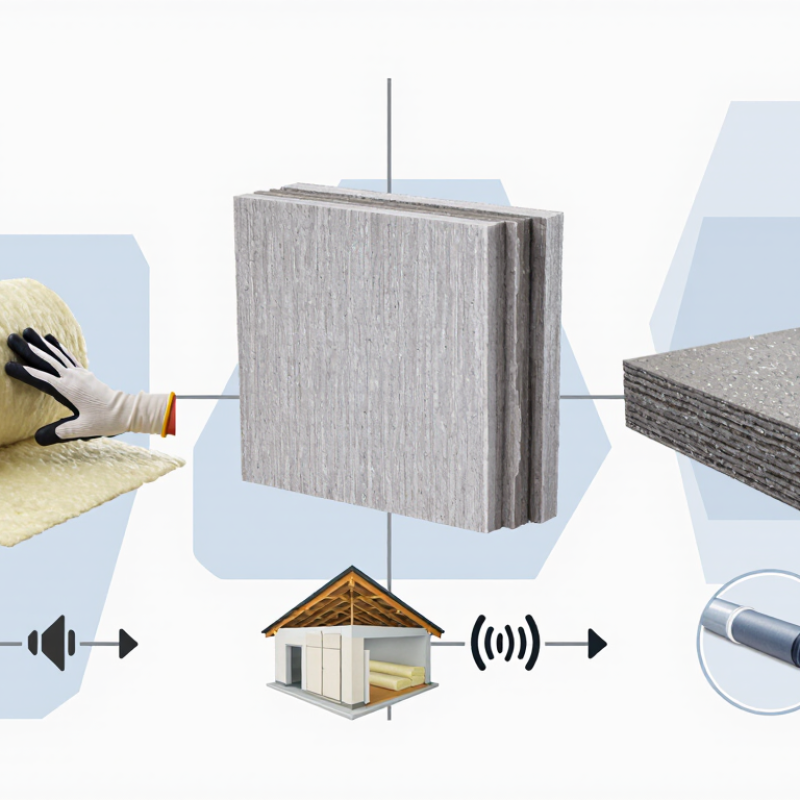
Mineral wool is a family of fibrous insulation materials made from melted minerals or glass. The fibers trap pockets of air, slowing heat transfer and helping reduce sound movement through walls and ceilings. It is not wool from animals. The name describes its soft, wool-like texture.
Making it begins with raw materials. Stone wool typically uses basalt and other rock; glass wool uses sand and often recycled glass. These ingredients are heated until molten, then spun into fine strands, much like fibers pulled from warm sugar. A small amount of binder may help the strands hold together. The loose fibers are formed into batts, boards, or rolls, then heated to set their shape and cut to size. Details vary by product and manufacturer. It is a controlled process, but not a perfectly simple one: fiber thickness, density, and binder content can affect handling and performance. The finished material may look uniform, yet its structure is full of tiny air spaces. That matters. When cutting or installing it, workers commonly use protective clothing and follow the product’s handling guidance, since loose fibers can irritate skin or eyes. There is room for improvement in reducing dust during installation.
The Main Types of Mineral Wool
Mineral wool commonly includes glass wool, stone wool, and slag wool. Glass wool is made from melted glass, often including recycled glass. Its fine, springy fibers make it light and easy to fit between wall studs or ceiling joists. Stone wool, also called rock wool, is produced from volcanic rock such as basalt. It is typically denser, so it can suit applications where stiffness and sound absorption matter. Slag wool uses mineral by-products from metal production. Its properties vary with the raw materials and manufacturing process.
The differences are practical, but not absolute. A thick glass-wool batt may insulate well, while a dense stone-wool board may be easier to use where a firm shape is needed. All types can help slow heat transfer, but performance depends on thickness, installation, and the surrounding assembly. Gaps around pipes or compressed batts can undermine the result. I would not choose by material name alone; product data and the intended location matter.
Tips: Check the stated thermal resistance, density, and moisture guidance before buying. Wear gloves and eye protection when cutting or fitting fibers, and follow the product instructions. Small details count. A neat-looking installation can still have hidden gaps.
Mineral wool is not one uniform material. Rock wool is made mainly from volcanic rock, often basalt or diabase, while slag wool uses ironmaking slag as a major feedstock. Both are melted and spun into fine fibers, then held together with a binder. The exact recipe varies by producer and product. That matters: two boards with similar labels may have different fiber mixes, density, and handling feel.
Structure changes performance. In the European Commission Joint Research Centre’s 2016 report on mineral wool, typical insulation products have thermal conductivities around 0.032–0.040 W/m·K. The value depends on product density and testing conditions, not just whether the wool is rock- or slag-based. Rock wool products are often denser and stiffer, with fibers that resist heat and help maintain shape in high-temperature applications. Slag wool is commonly used in building insulation, where lighter, flexible batts can fit between framing members. The distinction is not absolute.
Look closely at a cut edge. A rigid slab holds its shape; a batt compresses and springs back. The loose, tangled fiber network traps still air, but gaps at joints can undermine that benefit. The North American Insulation Manufacturers Association’s technical guidance notes that mineral-fiber insulation must be installed without voids or excessive compression to deliver its rated thermal performance. Composition tells part of the story. Fiber orientation and density matter, too—and product data should be checked rather than guessed.
| Type | Typical Raw Materials | Fiber Structure and Manufacture | Typical Characteristics | Common Applications |
|---|---|---|---|---|
| Stone Wool (Rock Wool) | Primarily basalt or other volcanic rock, often combined with recycled mineral materials and a small amount of binder. | Molten rock is spun or otherwise formed into fine, randomly oriented fibers, then assembled into boards, batts, or loose-fill products. | Noncombustible; generally maintains dimensional stability at high temperatures. Density and rigidity vary by product. | Exterior and interior wall insulation, roofs, floors, fire protection, and industrial insulation. |
| Slag Wool | Primarily iron- and steelmaking blast-furnace slag, commonly blended with other mineral feedstocks. | Molten slag is fiberized into a wool-like mat. The resulting fibers are bonded and formed into insulation products. | Composition depends on the slag and blend used; commonly produced as thermal and acoustic insulation. | Building insulation and selected industrial or mechanical insulation applications. |
| Glass Wool (Fiberglass) | Sand, recycled glass, and other glass-forming minerals. | Molten glass is drawn or spun into fine fibers, which are formed into flexible rolls, batts, or rigid boards. | Lightweight and often flexible; commonly used for thermal and sound insulation. Product performance varies with density and facing. | Walls, attics, ceilings, HVAC ducts, and equipment insulation. |
| Ceramic Fiber Wool | Alumina-silica or other refractory oxide materials. | High-temperature melts are fiberized into fine refractory fibers and supplied as blankets, boards, modules, or loose fiber. | Designed for service at temperatures beyond those typical of building insulation; may require appropriate high-temperature handling precautions. | Industrial furnaces, kilns, boilers, and other high-temperature process equipment. |
| How to Compare Types | Check the declared feedstock and product specification rather than relying on the generic term “mineral wool.” | Compare fiber diameter, product form, density, binder, and whether the fibers are bonded or supplied loose. | Thermal conductivity, fire classification, acoustic performance, moisture behavior, and permitted service temperature are product-specific. | Select according to the application, local building requirements, installation conditions, and manufacturer documentation. |
Mineral wool insulation is commonly made from melted rock or recycled slag spun into fine fibers. Its practical strengths are thermal resistance, fire behavior, and sound absorption. The U.S. Department of Energy’s insulation guidance places mineral wool near R-3.0 to R-3.3 per inch, though actual performance depends on product density and installation. Small gaps around pipes or framing can undermine that value. Details matter.
Fire resistance is another key property. The North American Insulation Manufacturers Association describes mineral fiber insulation as noncombustible, but facings, binders, and the surrounding assembly can change how a complete wall performs. Check the tested assembly, not just the fiber. Mineral wool also helps reduce sound transmission, especially when fitted snugly between studs. It is not soundproof. Higher density may improve some acoustic outcomes, yet flanking paths through doors, floors, or outlets still matter. In a real room, results can be less tidy than a lab rating suggests.
Water behavior needs a little nuance. Many mineral wool products resist water absorption and allow vapor to pass, but they are not a substitute for drainage or air sealing. The U.S. Department of Energy’s Building America guidance emphasizes controlling bulk water and air leakage in enclosure design. Keep insulation dry during installation, and follow the product’s published specifications. Even a capable material has limits.
Glass wool is commonly used in walls, attics, and ceilings. Its light, flexible batts can fit between timber studs, while rolls cover broad attic floors. It is also made into boards and pipe sections. Installers often choose it for ordinary homes and offices where easy handling matters. The fibers can irritate skin, so gloves and a dust mask are sensible during installation.
Rock wool, also called stone wool, is often used around boilers, ducts, and industrial pipes because it tolerates higher temperatures than many common insulation products. Dense boards can help reduce sound passing through apartment walls or busy mechanical rooms. Some products are designed for exterior wall systems, but the right choice depends on the full assembly and local fire and moisture requirements. It is not a cure for poor detailing.
Slag wool is produced using blast-furnace slag and is commonly supplied as loose fill, batts, or pipe insulation. It may be used in building cavities and industrial equipment, depending on product specifications. Check the label. Performance varies, and mineral wool types are not automatically interchangeable. A loose-fill product, for example, may not suit a location that needs rigid support or a specific fire rating.
Typical thermal conductivity ranges (W/m·K). Lower values indicate better insulating performance for a given thickness.
Glass wool is commonly used in cavity walls, lofts, and HVAC systems. Stone wool is widely used in roofs, façades, and fire-resistant applications. Slag wool is used in building and industrial insulation. Values are indicative; actual conductivity varies by product, density, and test conditions.
Contact Us