Top CNC Milling Manufacturers in China for Global Buyers?
In recent years, China has emerged as a powerhouse in the global CNC milling industry. As per a report by ResearchAndMarkets, the CNC machining market was valued at over $70 billion in 2020, with a significant portion driven by Chinese manufacturers. China Top Cnc Milling Manufacturer has played a crucial role in this growth, contributing advanced technology and cost efficiency.
Chinese companies are increasingly focusing on innovation and quality to meet international standards. Many manufacturers have invested heavily in R&D and skilled labor, which enhances their competitiveness. For example, the production capabilities in cities like Shenzhen and Dongguan illustrate the concentration of high-quality CNC milling services. However, challenges remain, such as fluctuating raw material costs and varying quality controls among different manufacturers.
Moreover, the global demand for precision-engineered parts continues to rise. According to a report by Allied Market Research, the CNC milling segment is projected to reach $100 billion by 2027. This presents an opportunity for discerning buyers to identify reliable partners among China's top CNC milling manufacturers. Despite the growth, careful evaluation of suppliers is essential to navigate potential pitfalls in quality and service.
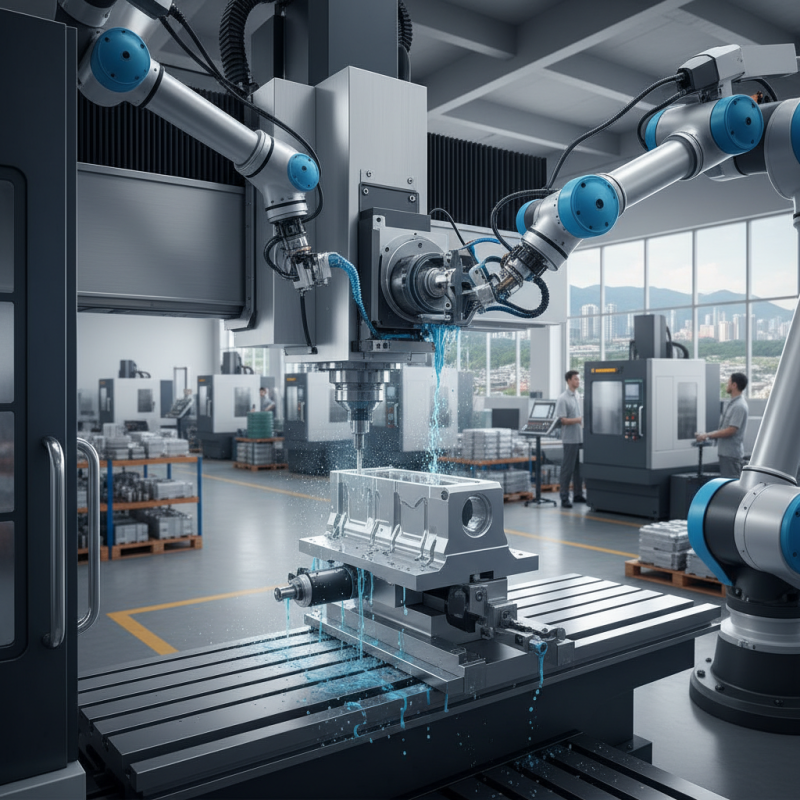
Top CNC Milling Manufacturers in China: An Overview of the Industry
China's CNC milling industry has seen remarkable growth in recent years. In 2022, the market size reached approximately $7 billion, reflecting a compound annual growth rate (CAGR) of over 10%. This boom is driven by increased demand in sectors like aerospace, automotive, and medical devices. Manufacturers invest significantly in advanced technologies and automation to enhance precision and efficiency.
However, the landscape is not without its challenges. Many small to mid-sized producers struggle with quality control and consistency. Reports indicate that nearly 30% of CNC machining companies encounter production inefficiencies. This leads to increased costs and impacts turnaround times, which are critical for global buyers. Navigating these issues requires not only advanced machinery but also skilled technicians familiar with evolving standards.
The industry's future relies on the integration of digital technologies and data analytics. Adopting smart manufacturing practices could optimize operations and reduce errors. Yet, gaps in technology adoption remain. Approximately 40% of manufacturers still rely on outdated systems, which complicates seamless information sharing. Addressing these challenges is essential for sustaining growth and meeting global demand.
Top CNC Milling Manufacturers in China for Global Buyers
| Manufacturer Location | Year Established | Employee Count | Annual Revenue (in USD) | Specialties |
| Shenzhen | 2005 | 250 | 5,000,000 | Precision Parts, Prototypes |
| Dongguan | 2010 | 500 | 10,000,000 | Industrial Components, Custom Fixtures |
| Shanghai | 1998 | 1000 | 20,000,000 | Automotive Parts, Aerospace Components |
| Hangzhou | 2007 | 300 | 8,000,000 | Consumer Electronics, Medical Devices |
| Suzhou | 2012 | 450 | 12,000,000 | Plastic Molding, Machining Services |
Market Share Analysis of China's CNC Milling Machine Manufacturers
China has become a key player in the global CNC milling machine market. In recent years, its manufacturers have expanded significantly. They offer a wide range of products to meet diverse industrial needs. This growth is fueled by advancements in technology and production processes. Many Chinese manufacturers are focusing on precision and reliability.
Market share analysis reveals interesting trends. A handful of companies dominate the landscape, yet numerous smaller firms are gaining ground. This competition drives innovation. Buyers are increasingly attracted to high-quality machines at lower price points. However, quality control is often a concern. Some manufacturers struggle with consistency. This inconsistency can lead to operational challenges for buyers.
Another aspect that deserves attention is customer service. Some manufacturers excel, while others fall short. Support after purchase is essential for global buyers. An effective service team can significantly impact a buyer's experience. As the market evolves, manufacturers need to adapt. Balancing cost, quality, and service will be crucial for long-term success in the global arena.
Key Technologies Driving CNC Milling Innovations in China
CNC milling technologies in China are evolving rapidly, driven by innovative advancements. Automation is a key element enhancing efficiency. These machines increasingly use computer controls, ensuring precise and repeatable results. The integration of AI in CNC milling is becoming standard. This technology allows for predictive maintenance and reduces downtime. As a result, manufacturers can optimize their production processes.
Moreover, the adoption of advanced materials is shaping the industry. Companies are now using lightweight composites alongside traditional metals. This shift can improve the performance of the end products. However, this innovation presents challenges in machine adaptability and tooling. Some manufacturers may struggle to keep up with the pace of change.
Sustainability is also a critical factor. Chinese manufacturers are focusing on eco-friendly processes. This includes minimizing waste and energy consumption during milling. While these efforts are commendable, they require significant investment in new equipment. Innovation is essential, but balancing cost and environmental responsibility remains a work in progress.
Comparison of CNC Milling Costs: China vs. Global Competitors
When evaluating CNC milling costs, buyers look closely at China's competitive edge. Labor costs in China are typically lower than in Western countries. This affordability allows manufacturers to offer attractive pricing. But, lower costs do not always guarantee quality. Some factories might cut corners to maximize profit, raising concerns about reliability.
Global competitors often emphasize advanced technology and superior craftsmanship. While they might charge more, their output tends to be more consistent. Buyers must weigh the cost against potential quality issues. Chinese manufacturers are improving, yet not all meet international standards.
Another consideration is shipping and lead times. Chinese suppliers often have longer delivery times due to logistics. Delays can affect project schedules significantly. However, many Chinese CNC milling companies are now optimizing their supply chains. This shift could decrease lead times, making them even more appealing to global buyers. Balancing cost, quality, and time is essential for making informed decisions.
Insights into Export Trends of Chinese CNC Milling Machines
The export trends of Chinese CNC milling machines are shaping the global manufacturing landscape. These machines are renowned for their precision and efficiency. Countries around the world are increasingly sourcing CNC technology from China. This trend is driven by cost efficiency and technological advancements. Many manufacturers adapt quickly to international standards, making them attractive to global buyers.
Amid these trends, potential buyers should consider several factors. Quality control is paramount. Ensure that manufacturers follow strict quality assurance processes. Patience is key. The overseas setup might take longer than expected. It’s crucial to conduct thorough research about a manufacturer’s capabilities and reputation. Customer reviews and industry insights can provide valuable perspectives.
As you explore options, be aware of fluctuating trade regulations. Changes in tariffs can affect pricing. This can impact your overall budget. Networking with industry experts is beneficial. They can guide you in making informed decisions. Remember, a deep understanding of the market can lead to better negotiations.