
Blog

You are here:

How to Choose the Right Floor Drain Supplier?

Choosing the right Floor Drain supplier is not merely a price comparison. It is a decision about water control, hygiene, durability, and installation risk. A drain may look simple, yet its grate, trap, body, outlet, and sealing method must work together. One weak detail can create odors, standing water, or costly repairs.

Dan Holohan, a respected plumbing educator and author, offers a practical principle: “Understand the system before choosing the part.” This idea fits Floor Drain sourcing closely. A reliable supplier should ask about drainage capacity, floor structure, traffic load, cleaning routines, and local installation conditions. They should not push one standard model for every project. That shortcut often fails.

Look for documented materials, tested flow rates, clear product drawings, and responsive technical support. Stainless steel may suit commercial kitchens, while a different finish could work better in a residential bathroom. Check welding quality, grate stability, outlet dimensions, and spare-part availability. Small details matter.

Ask for samples. Review certificates. Test communication.

Experience also matters. Suppliers who have handled hotels, factories, hospitals, or public buildings usually understand practical problems better. Still, reputation alone is not proof. Request references and inspect previous installations when possible. A perfect supplier may not exist. Your evaluation may miss something. That is why a written checklist, site discussion, and honest comparison remain essential when selecting the right Floor Drain supplier.
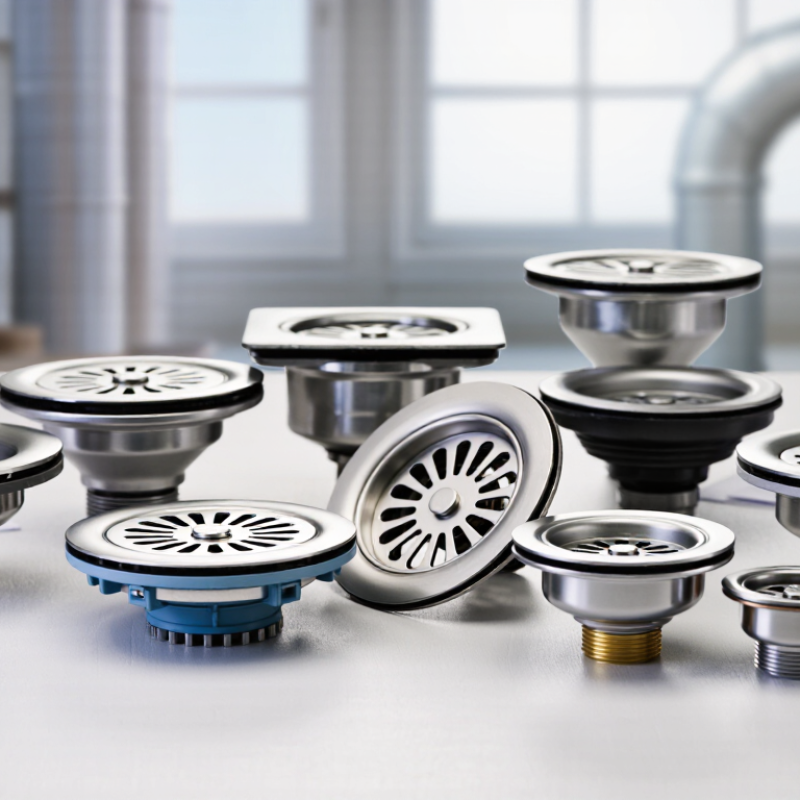
How to Choose the Right Floor Drain Supplier?

Define Your Floor Drain Project Requirements

How to Choose the Right Floor Drain Supplier?

Define Your Floor Drain Project Requirements

A reliable floor drain choice begins with accurate project details. Measure the drainage area, pipe diameter, floor thickness, and available installation depth. Note the expected water volume, especially in commercial kitchens, bathrooms, balconies, and laundry rooms. A drain for occasional shower use may not handle continuous discharge from cleaning equipment.

Consider the surrounding environment. Stainless steel suits many wet areas, while heavier loads require a stronger grate and stable frame. Check whether the drain needs an odor trap, removable basket, adjustable height, or waterproofing support. These small details affect maintenance and installation costs. I have seen projects delayed because the drain outlet matched the pipe, but not the finished floor level. Recheck every measurement.

Tips: Create a simple requirement sheet before contacting suppliers. Include drain size, outlet direction, grate load, material, flow expectations, installation location, and required quantity. Ask suppliers for technical drawings, test information, tolerances, and installation guidance. Do not rely on product photos alone. Request samples when surface finish or fit matters. Compare responses carefully, because a low price can hide missing accessories or difficult maintenance. Allow some flexibility; early assumptions are not always correct.

Compare Supplier Product Quality and Technical Standards

Choosing the right floor drain supplier requires more than comparing prices. Product quality should match the building’s location, drainage load, and maintenance conditions. A drain for a busy shower area needs different performance from one used in a factory.

During site inspections, I have seen attractive drains fail because their seals were weak. Check the material, surface finish, welding, grate strength, and connection accuracy. Stainless steel should resist corrosion in wet environments. Plastic components should remain stable under expected temperatures and chemicals. Details matter. Ask for samples, not only photographs. A sample can reveal rough edges, poor threading, or an unstable grate.

Technical standards make supplier comparisons more reliable. Request test reports for flow rate, load resistance, water tightness, odor prevention, and corrosion performance. Confirm which national or international standards apply to your project. Reports should identify the tested model, testing date, laboratory, and standard version. A certificate without traceable information proves little. Also compare dimensional tolerances, installation drawings, inspection procedures, and batch records. These documents show whether quality is controlled consistently.

Supplier experience matters when unusual site conditions appear. Ask how the supplier handled blocked outlets, uneven floors, or repeated cleaning before. Their response may reveal practical knowledge. I once focused too heavily on certification and overlooked replacement-part availability. That was a costly lesson. A reliable supplier should explain limitations clearly, support installation, and provide realistic warranty terms. Do not accept perfect promises. Expect evidence, clear communication, and room for technical questions.

Evaluate Manufacturing Capacity, Certifications, and Customization

How to Choose the Right Floor Drain Supplier?

Evaluate Manufacturing Capacity, Certifications, and Customization

A reliable floor drain supplier should show more than attractive product photos. Visit the factory, if possible, and inspect stamping presses, welding stations, polishing areas, and final inspection points. Ask about monthly output and current production schedules. A supplier with limited capacity may accept your order but miss delivery dates during peak seasons. Request recent production records and sample inspection reports. Numbers are useful. Promises are not enough.

Certifications should match the product and destination market. Check whether certificates cover material grade, drainage performance, corrosion resistance, and quality systems. Confirm the certificate holder, testing laboratory, issue date, and product model. A document with unclear scope creates risk. Independent testing adds confidence, especially for stainless steel drains used in wet rooms. I once underestimated certificate details during a supplier review. That mistake made later verification slower and more expensive.

Customization requires clear technical communication. Share drawings showing drain size, outlet position, surface finish, load requirements, and packaging needs. Ask whether tooling costs, minimum order quantities, and sample revisions are included. Experienced manufacturers should explain production limits honestly. For example, a deep brushed finish may look excellent but require extra polishing time. Prototype approval should include dimensions, water-flow checks, and visual inspection under bright light. Small deviations can become installation problems. Allow room for correction.

Review Pricing, Delivery Terms, and After-Sales Support

Choosing a floor drain supplier requires more than comparing unit prices. Ask for a complete landed-cost sheet covering the drain, grate, packaging, freight, duties, and inspection fees. A low quotation can become expensive after damaged cartons or missing accessories. Check stainless-steel grade, load rating, water-seal depth, surface treatment, and test methods. Request recent inspection records, not only catalog claims.

Delivery terms deserve equal attention. The World Bank’s 2023 Logistics Performance Index covers 139 economies and evaluates customs, infrastructure, logistics services, and timeliness. Use these factors when judging a supplier’s shipping plan. Confirm production lead time, dispatch location, Incoterms, shipment frequency, and acceptable delay limits. Require photos before loading and carton-level packing lists. Small details matter. A spreadsheet can still lie.

After-sales support should be written into the purchase agreement. Define response time, spare-part availability, replacement procedures, and evidence requirements for defects. Ask whether the supplier can support installation questions six months later. Also check warranty exclusions, especially for chemical exposure, incorrect sealing, or site damage. A practical trial order is useful, but it is not proof of long-term reliability. Recheck dimensions, drainage performance, and packaging after delivery. In procurement, this extra review may feel slow; repeated replacements are slower.

Select the Supplier That Best Matches Your Long-Term Needs

Choosing a floor drain supplier is less about the lowest quotation and more about dependable fit. A supplier should understand your drainage volume, floor structure, cleaning routine, and installation conditions. Ask for technical drawings, material specifications, load ratings, and test records. These documents reveal whether the supplier has repeatable production controls, not merely attractive samples.

Long-term reliability appears in small details. Check the drain’s slope, grate stability, seal design, and resistance to corrosion. Request a sample and inspect its edges, threads, welding, and surface finish by hand. If possible, speak with contractors who have installed similar products for several seasons. Their experience can expose slow drainage, odor problems, or difficult maintenance that a catalog will not mention. A clear warranty matters, but response time matters more when a site is already wet and occupied.

Your supplier should also match your future plans. Confirm production capacity, spare-part availability, packaging quality, and communication procedures before signing a large order. Ask how design changes are documented and how defective units are handled. Fast replies do not always mean strong support. One overlooked question can become a costly delay. Leave room for review, because the supplier that suits one project may fail when volumes, climates, or cleaning chemicals change.

Go to Top