How to Choose the Best PP Compression Fitting for Your Needs?
Selecting the right PP Compression Fitting is crucial for any plumbing or industrial application. These fittings connect pipes securely and prevent leaks, making their selection a vital task. Industry reports indicate that approximately 15% of plumbing failures are due to improper fitting choices. This statistic underscores the importance of understanding your specific needs when selecting PP Compression Fittings.
When evaluating options, consider the material's resistance to chemicals and temperature variations. PP Compression Fittings offer durability and flexibility, ideal for various applications. However, many buyers still overlook specific requirements, such as pressure ratings and installation methods. Experts recommend assessing these factors to ensure long-term reliability.
In addition, the market for PP Compression Fittings is expected to grow steadily, driven by construction and infrastructure developments. Aligning your choices with industry standards impacts not only performance but also safety. Evaluating available options and reflecting on past choices can lead to better future outcomes. Investing time in the right fitting today can save significant costs later.
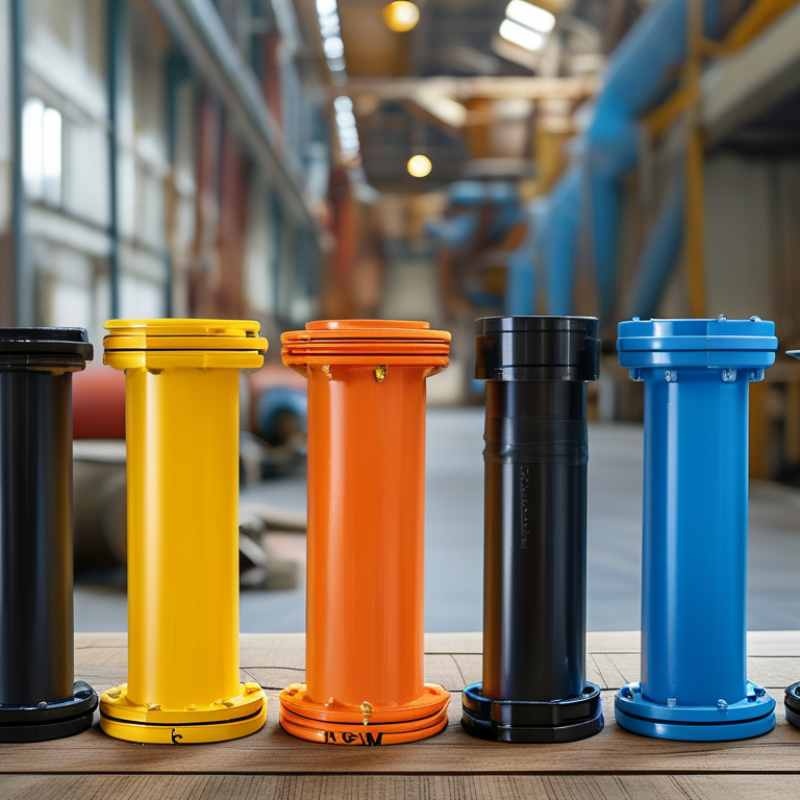
Understanding PP Compression Fittings and Their Applications
PP compression fittings have gained popularity across various industries due to their versatility and durability. These fittings are primarily made from polypropylene (PP), a lightweight yet robust thermoplastic. The ability of PP to withstand various chemicals makes it ideal for plumbing and irrigation systems. According to a report by the Plastics Industry Association, the use of PP in fittings has increased by 15% over the last five years, reflecting their growing importance in modern applications.
Applications of PP compression fittings span across sectors like agriculture, construction, and water management. In agriculture, they are often used for irrigation systems, ensuring efficient water delivery. A recent study indicates that using these fittings can reduce water wastage by up to 30%. In construction, their easy installation process saves labor time, although improper installation can lead to leaks. These fittings are also used in hot and cold water services, offering a reliable solution when paired with suitable pipes.
While PP compression fittings offer significant advantages, choosing the right one requires careful consideration. Not all fittings are created equal. Features such as thread types, sizes, and pressure ratings can vary significantly. Users must assess their specific requirements to ensure optimal performance. Misjudging these factors can result in costly repairs and downtime. Balancing quality and cost is essential to ensure longevity and reliability, challenging many in the industry today.
Identifying Your Specific Needs for Compression Fittings
When selecting PP compression fittings, it's crucial to identify your specific needs. Consider the application where these fittings will be used. For example, reliable data indicates that nearly 40% of plumbing failures stem from mismatched fittings or improper installation. Understanding the pressure requirements and temperature ranges of your particular application is essential.
Life expectancy is another critical aspect. Research by the industry shows that quality compression fittings can last over 20 years when correctly installed. Conversely, low-quality options might fail prematurely, causing costly repairs. Evaluate the environment where the fittings will be placed. Will they be exposed to chemicals or high levels of humidity?
Industrial settings may require more robust solutions, unlike residential ones, where versatility could take precedence.
Additionally, installation convenience cannot be overlooked. Some compression fittings are easier to work with than others. If your team lacks extensive experience, opt for options that allow for straightforward attachment. A simpler installation process can reduce the likelihood of installation errors, which can lead to leaks and system failures. Always consult technical specifications to ensure compatibility with your existing systems, highlighting the importance of quality control in your selection process.
Evaluating Material Quality and Compliance Standards
When selecting the right PP compression fitting, evaluating material quality is critical. Reliable fittings should be made from high-grade polypropylene, ensuring durability and resistance to chemical degradation. Inspect the fittings for any signs of imperfections, such as uneven surfaces or discoloration. These flaws can indicate subpar manufacturing processes and may affect performance.
Compliance with industry standards is equally important. This ensures that the fittings meet essential safety and performance benchmarks. Look for certifications that validate environmental and health safety measures. However, beware of misleading claims. Some products may boast of compliance without proper documentation. Always verify the claims through reputable sources or industry guidelines.
Using high-quality materials and compliant products can greatly influence your installation's success. Low-grade fittings may save money upfront but will likely lead to leaks and replacements down the line. It's crucial to invest time in research. Reflect on past experiences where haste led to regrets. A thoughtful approach will save time and resources in the long run.
Choosing the Right Size and Pressure Ratings for Your Application
Choosing the right size and pressure ratings for PP compression fittings is crucial for effective performance. According to industry reports, about 70% of fitting failures are linked to improper sizing and pressure applications. This statistic emphasizes the importance of precise measurements in selecting the right fitting for your specific needs.
When determining the size, consider the pipe dimensions. A mismatch can result in leaks, reduced flow, or even total failure. The pressure rating is equally vital. Each application has a maximum allowable pressure, often dictated by factors like temperature and fluid type. For example, fittings rated for 10 bars may not perform adequately in high-temperature scenarios. Always verify that the fitting’s pressure rating aligns with your system's demands.
Be aware of the potential for overconfidence in your selections. Some may assume all fittings are universal, but variations exist based on application specifics. Take the time to consult reliable data sources. They provide insights into suitable fittings for different environments, allowing for informed decisions. Misjudgments in fitting choice can lead to costly downtime and repairs. Remain vigilant about the details that matter most.
How to Choose the Best PP Compression Fitting for Your Needs?
| Fitting Type | Size (mm) | Pressure Rating (bar) | Temperature Range (°C) | Application |
| Straight Coupling | 20 | 10 | -10 to 60 | Water Supply |
| Elbow Fitting | 25 | 8 | -5 to 50 | Irrigation |
| Union | 32 | 12 | -10 to 70 | Chemical Transport |
| Tee Fitting | 40 | 6 | 0 to 50 | Cooling Systems |
| Cap | 50 | 5 | -20 to 40 | Waste Management |
Comparing Different Brands and Manufacturers for Best Options
When selecting PP compression fittings, evaluating various brands and manufacturers is essential. The market is filled with options, and not all are created equally. Look for suppliers with a solid reputation for quality. It’s important to consider the materials used in their products. High-quality polypropylene should be durable and resistant to chemicals.
Tips: Always check customer reviews to gauge reliability. Real user experiences can reveal hidden flaws or advantages. Don’t hesitate to ask for samples before making a large purchase. Testing products can prevent costly mistakes.
Another key factor is the manufacturer’s warranty and customer service. A reliable company stands behind its products. If issues arise, prompt support can save time and frustration. Verify that the fitting sizes meet your project needs. Inaccurate dimensions can lead to leaks, requiring redo work.
Choosing the right fitting with due diligence is crucial. Investing time in research pays off in the long run. Don’t overlook the importance of certifications. Ensure they adhere to industry standards to avoid future complications.