How to Choose the Best Galvanized Steel Profile for Your Needs?
Choosing the best Galvanized Steel Profile for your projects can be challenging. It involves understanding both your specific needs and the characteristics of different profiles. The right selection can enhance durability and functionality in various applications, from construction to manufacturing.
Galvanized Steel Profiles are known for their corrosion resistance and longevity. This steel is coated with a layer of zinc, which protects it from rust and environmental factors. When selecting a profile, consider the thickness, shape, and coating quality. Each factor can significantly impact the performance of your applications.
Many people overlook the importance of proper selection. An inappropriate choice can lead to structural failures and increased costs down the line. Take the time to analyze your project requirements. Engaging with experienced professionals can provide valuable insights. Their expertise can guide you, ensuring your choices meet safety and performance standards.
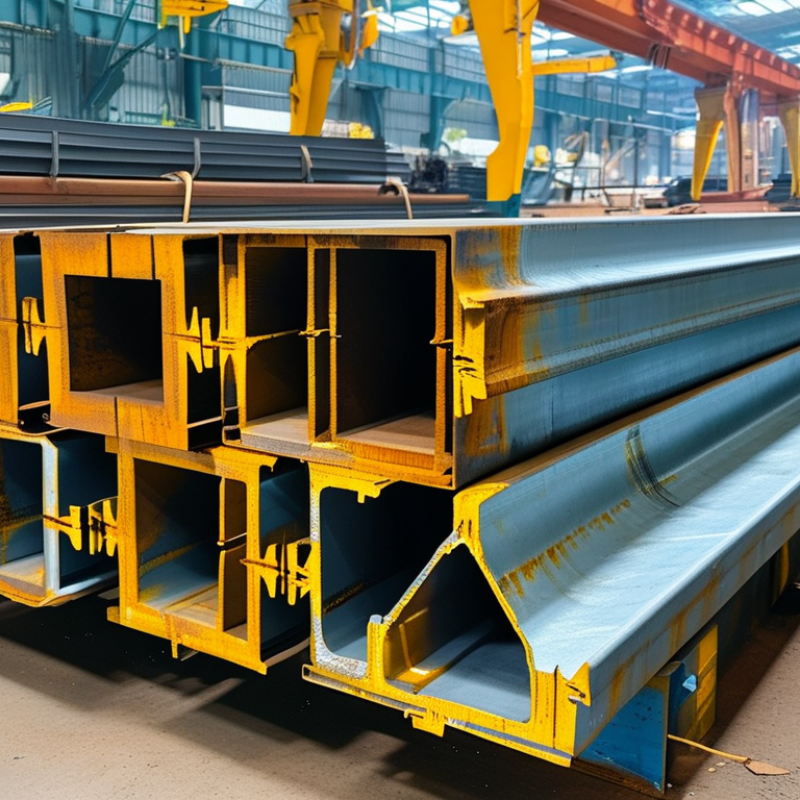
Understanding Galvanized Steel Profiles and Their Applications
Galvanized steel profiles are essential in various industries. They provide durability and corrosion resistance. Understanding their applications is vital for selecting the right product. According to a recent report, the galvanized steel market is expected to grow by over 6% annually from 2023 to 2028. This growth indicates rising demand in construction, automotive, and energy sectors.
In construction, galvanized steel profiles serve in framing, roofing, and cladding. Their resistance to rust makes them ideal for outdoor projects. The American Institute of Steel Construction states that galvanized steel can last over 50 years in a typical environment. However, one must consider the environmental impact of production. The process can emit significant greenhouse gases, which is a growing concern in today's world.
Automotive applications also benefit from galvanized profiles. They enhance vehicle longevity and safety by reducing corrosion. Reports show that nearly 70% of vehicles use galvanized steel components. Despite these advantages, there are drawbacks. The protective zinc layer can be compromised under harsh conditions. This can lead to a reduced lifespan. Careful selection is crucial to meet application needs effectively.
Key Factors to Consider When Choosing Galvanized Steel
When selecting the best galvanized steel profile, consider several key factors. The first factor is the coating thickness. A thicker zinc coating provides better corrosion resistance, particularly in harsh environments. Reports indicate that hot-dip galvanized steel can last up to 70 years, making it a popular choice for construction projects. Ensure you verify the coating standards, such as ASTM A123, to determine the durability of the steel.
Next, assess the steel's mechanical properties. Galvanized steel typically possesses enhanced strength and flexibility. However, you should consider the specific requirements of your project. The yield strength and tensile strength should meet the demands of your application. According to industry data, structural quality galvanized steel usually has a yield strength of around 250 MPa. This strength can vary, so it's important to choose what best suits your needs.
**Tip:** Always review the steel’s specifications thoroughly. This scrutiny ensures you make the right choice for your applications.
Another vital factor is the shape of the profile. Different profiles, like angles, channels, and sheets, serve unique purposes. Understanding your project's requirements can guide you in choosing the right profile. Be prepared to revisit your choices. Sometimes, what initially seems ideal may not fulfill long-term expectations.
**Tip:** Consider the environment where the steel will be used. Exposure to moisture or chemicals can significantly influence its performance.
How to Choose the Best Galvanized Steel Profile for Your Needs?
| Profile Type | Thickness (mm) | Weight (kg/m) | Corrosion Resistance Rating | Applications |
| U-Channel | 2.5 | 3.5 | High | Structural support, framing |
| Square Tube | 3.0 | 4.2 | Medium | Towers, racks |
| Rectangular Hollow Section | 4.5 | 5.7 | High | Construction, fencing |
| Angle Iron | 5.0 | 3.1 | Medium | Bracing, structural frameworks |
| Metal Sheet | 1.5 | 2.0 | Low | Siding, roofing |
Comparing Different Types of Galvanized Steel Profiles
When selecting a galvanized steel profile, it's essential to compare the various types available in the market. Two common types are hot-dipped and electro-galvanized steel. Hot-dipped steel is coated with zinc through immersion in molten zinc. This process creates a thicker layer, enhancing corrosion resistance. According to industry reports, hot-dipped steel can provide up to 25 years of service life in coastal environments, making it a preferred choice for outdoor applications.
Electro-galvanized steel, on the other hand, uses an electrical charge to apply a thinner zinc coating. This method results in a smoother finish. While adequate for indoor applications, it may last only 10 to 15 years in harsher conditions, where moisture exposure is significant. Professionals recommend considering the environmental factors your project will face.
Additionally, think about the specific requirements of your application. Factors such as load-bearing capacity and potential exposure to corrosive elements should guide your choice. Research suggests inadequately assessed projects can lead to premature failure. Balancing performance needs with cost-effectiveness is crucial. Using galvanized steel profiles efficiently can extend the lifespan of structures while maintaining safety.
Comparison of Different Types of Galvanized Steel Profiles
Assessing Durability and Corrosion Resistance in Steel Selection
When selecting a galvanized steel profile, durability and corrosion resistance are paramount. Galvanized steel is coated with zinc to protect against rust. This coating can vary in thickness, affecting how long the material will last in different environments. When choosing a profile, consider the environmental exposure—will it face moisture, chemicals, or salt? Each factor impacts the longevity of the steel.
Think about where the steel will be used. For outdoor constructions, thicker coatings are advisable. However, thicker doesn’t always mean better in every situation. Some projects may not require heavy-duty options, leading to unnecessary costs. Balance is key. Testing your galvanized steel in a sample setting could reveal unexpected issues. Regular inspections post-installation are also wise.
Maintenance is another essential element. While galvanized steel needs less upkeep than bare steel, it isn’t entirely maintenance-free. Inspecting for wear and tear helps ensure it performs well over time. A well-informed decision combines awareness of specific needs with a comprehensive understanding of material properties. Sometimes, reaching out to professionals for their insights can uncover insights you might miss.
Budgeting and Sourcing Options for Galvanized Steel Profiles
When budgeting for galvanized steel profiles, it's essential to consider several factors. The average cost for galvanized steel profiles ranges from $0.30 to $2.00 per pound, depending on thickness and dimensions. Industry reports indicate that fluctuations in global steel prices can impact these costs. Mitigating price volatility can be achieved by sourcing locally, which also reduces shipping expenses.
In sourcing galvanized steel profiles, quality and standards play critical roles. Look for materials that meet ASTM A123 for hot-dip galvanizing. This ensures durability and corrosion resistance. Sourcing from suppliers with a strong reputation can give you peace of mind. Seeking recommendations from industry professionals can also lead to trustworthy options.
While trying to stay within budget, consider the long-term benefits of investing in higher quality. Inadequate materials may lead to higher maintenance costs later. Keep in mind that it’s not just about upfront pricing, but overall value. Balancing cost and quality requires careful thought. Researching and comparing multiple sources can help identify the best deals. However, not all low-cost options will meet your project's needs effectively.