Why Choose the Best CO Alarm for Your Home Safety?
Carbon monoxide (CO) is a silent killer, responsible for over 400 deaths annually in the United States alone. This gas is odorless and colorless, making it particularly dangerous. A reliable CO alarm can be the difference between life and death. According to the Consumer Product Safety Commission (CPSC), homes without CO alarms are at significantly higher risk of CO poisoning.
Investing in a top-quality CO alarm is crucial for home safety. The National Fire Protection Association (NFPA) advises that every home should have at least one CO detector. These devices are designed to alert occupants before dangerous levels of carbon monoxide can accumulate. Regular maintenance and testing of these alarms can ensure they function optimally.
Choosing the best CO alarm is not just about protection; it's about peace of mind. Statistics show that homes with CO detectors can reduce the risk of CO poisoning significantly. However, many homeowners still neglect this vital safety measure. Understanding the importance of a CO alarm is essential for creating a safe living environment.
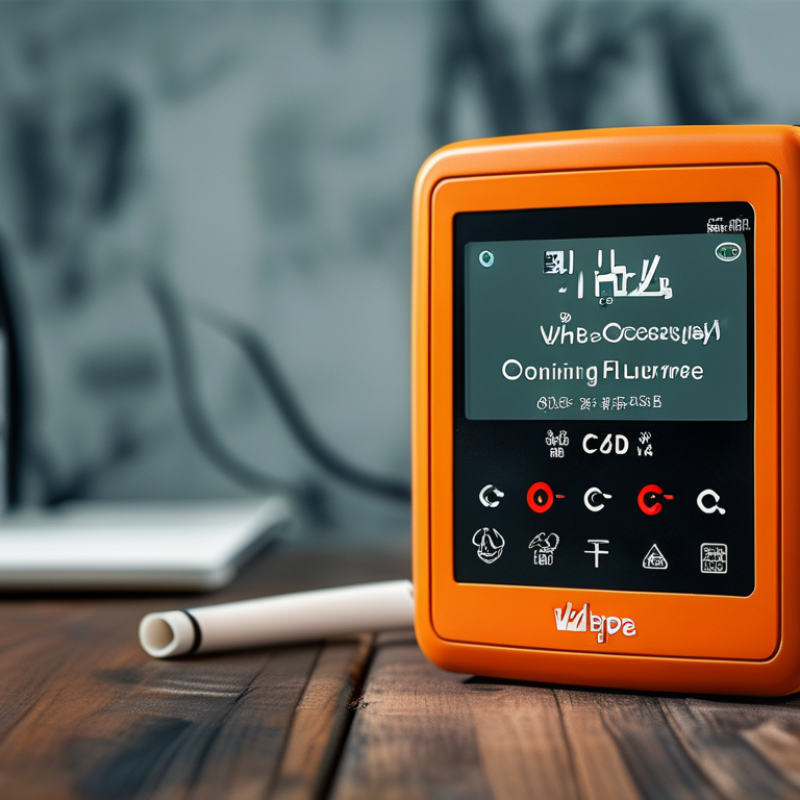
Understanding the Risks of Carbon Monoxide in Residential Spaces
Carbon monoxide (CO) is a colorless, odorless gas that can be deadly. It often originates from common household appliances, like furnaces and gas stoves. When these devices malfunction, they can leak CO into your living space. This risk is especially high in poorly ventilated areas. Many families are unaware of these dangers until it’s too late. Understanding this threat is crucial for ensuring your family's safety.
Symptoms of CO poisoning are often mistaken for other illnesses. Headaches, dizziness, and nausea can occur. Low-level exposure might cause long-term health issues or even death. Regular maintenance of appliances can reduce risks, but it isn't foolproof. Installing an effective CO alarm is vital. This device can detect dangerous levels of CO in real time, providing peace of mind. Some families might overlook this safety measure due to cost or perceived unimportance. Ignoring this risk can be a grave mistake.
Many people believe they are safe in their homes. They trust their appliances and ventilation. Yet, every year, thousands are affected by CO poisoning. Education on CO's risks is essential. Discussing CO safety with family members creates awareness. This way, everyone knows how to respond in an emergency. Home safety is in everyone's hands, and being proactive is key.
Key Features to Look for in a CO Alarm
When choosing a carbon monoxide (CO) alarm, several key features ensure your home’s safety. A reliable CO alarm needs to have a digital display that shows real-time CO levels. This feature provides a clear understanding of exposure levels, allowing quick action if necessary. Reports indicate that alarms with this capability offer up to 40% more accurate readings, aiding timely intervention.
Another essential feature is the alarm’s response time. Studies by health organizations identify that CO can be fatal within minutes. A high-quality CO alarm should trigger within minutes of detecting harmful gas. Additionally, consider alarms equipped with voice alerts. This technology helps distinguish between smoke and CO alarms, which can prevent panic during an emergency.
Battery backup is a non-negotiable feature. Many fatal incidents occur during power outages. An alarm with battery backup ensures continued protection. Some homeowners may overlook that CO alarms need regular maintenance and testing. A well-maintained alarm has a far better chance of functioning correctly when needed. Devices should be tested monthly; many alarms include test buttons for this purpose. Ignoring this simple action can lead to tragic consequences.
Carbon Monoxide Alarm Features Comparison
Comparing Different Types of CO Alarms for Home Use
When selecting a carbon monoxide (CO) alarm for your home, understanding the different types available is crucial. There are primarily three types: plug-in alarms, battery-operated alarms, and hardwired alarms. Plug-in models can be convenient, but they rely on electrical outlets. A sudden power outage could leave you unprotected. Battery-operated alarms offer portability but require regular battery checks and replacements.
Hardwired alarms tend to be the most reliable, as they connect directly to your home's electrical system. However, they involve more upfront installation work. Each type comes with its pros and cons. Some prefer the freedom of movement with battery-operated options, while others value the dependability of hardwired systems.
In making your decision, consider your lifestyle and home setup. Safety cannot be compromised. Assessing the design and placement of CO alarms is essential for effective detection. Regular maintenance is equally important; dust and debris can hinder performance. Reflecting on these factors will help ensure you choose the best alarm for your family's safety.
Installation Best Practices for Optimal Home Safety
When it comes to ensuring your home safety, proper installation of a carbon monoxide (CO) alarm is crucial. Many people underestimate its importance. Choosing the right locations is key. Mounting alarms on every level of your home improves detection capabilities. Areas near sleeping quarters deserve extra attention. If an alarm sounds, you want to ensure everyone hears it.
Follow manufacturer guidelines for height. Typically, CO alarms work best when placed five feet above the ground. Avoid placing them too close to appliances. This can lead to false alarms. Instead, ensure at least 15 feet of distance from gas stoves or heaters. Proper positioning helps maintain reliability and effectiveness.
Regular maintenance is often overlooked. Many homeowners forget to test their alarms monthly. Taking this simple step can save lives. Replace batteries at least once a year, even if the alarm sounds. However, reflect on the fact that some alarms may expire after a certain period. Most CO alarms last about five to seven years. Thus, if yours is nearing its end, plan for a replacement.
Maintaining Your CO Alarm: Tips for Long-Term Effectiveness
Maintaining your carbon monoxide (CO) alarm is crucial for safety. Regular checks ensure it functions properly. Test your alarm at least once a month. This simple act can save lives. If it doesn’t beep, replace the batteries immediately. It’s easy to overlook, but this step can be life-saving.
Keep your CO alarm clean. Dust and debris can obstruct sensors. Wipe it down with a dry cloth every few months. This simple maintenance prevents false alarms. Check the expiry date on your alarm. Many units only last 5 to 7 years. After that, their reliability decreases.
Be aware of the alarm's sound. A continuous beep indicates danger, while intermittent beeps suggest battery issues. It’s vital to familiarize yourself with these signals. Ignoring them could lead to dangerous situations. Stay proactive about replacing old alarms. Over time, the effectiveness of these devices wanes. Regular attention to your CO alarm can help ensure your home remains a safe haven.