How to Choose the Right Wire Cable Tray for Your Project?
Selecting the right wire cable tray for a project is crucial. According to the latest industry report from MarketsandMarkets, the global wire cable tray market is expected to reach $4.9 billion by 2025, growing due to rising infrastructure investments. This indicates a robust demand for quality products in this sector.
Experts emphasize the importance of proper selection. John Smith, a leading authority in wire cable tray systems, states, “Choosing the correct wire cable tray impacts efficiency and safety.” However, many installers overlook this step. They often choose trays based on price rather than suitability for their specific environment.
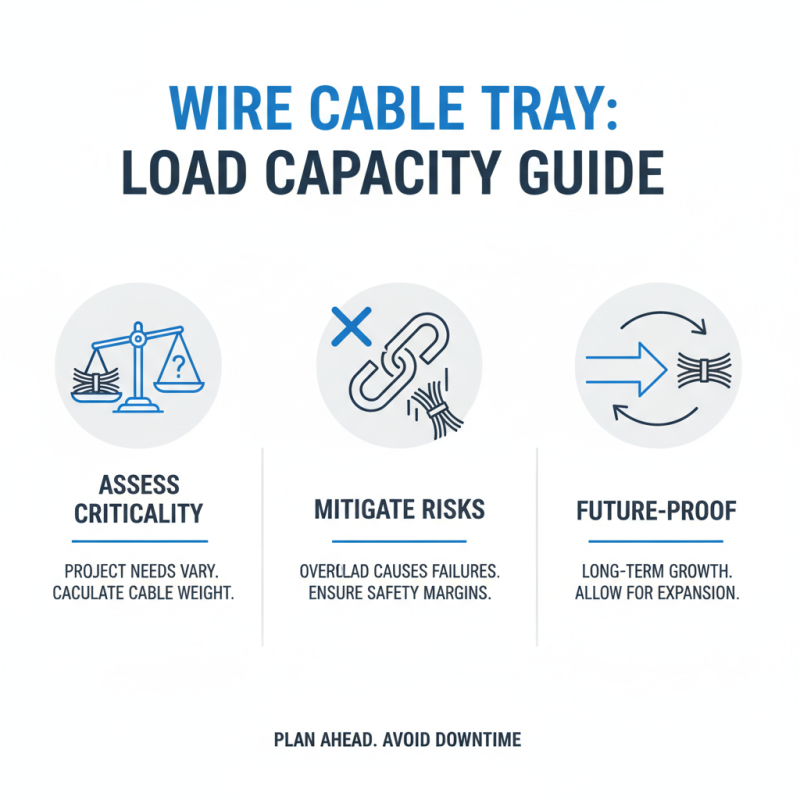
Project requirements can vary significantly. Factors like load capacity and material choice must be carefully considered. Neglecting these details might lead to inadequate support. A project may face unforeseen challenges if the cable tray fails. Balancing cost with the right specifications becomes essential for successful installations.

Understanding Different Types of Wire Cable Trays and Their Applications
When selecting wire cable trays, it’s crucial to understand the various types and their applications. There are primarily three types: ladder trays, perforated trays, and solid bottom trays. Ladder trays are commonly used for their ventilation properties, allowing heat dissipation. This helps reduce the risk of overheating in wire insulation. A report by the National Electrical Manufacturers Association (NEMA) indicates that proper ventilation can extend the life of cables by up to 30%.
Perforated trays offer adaptability. They support varied cable sizes and types, making them perfect for dynamic environments, such as data centers. A study conducted by the International Electrical Testing Association shows that 55% of facilities favor perforated options due to easy installation and flexibility. However, proper spacing is essential, as improper alignment can lead to cable stress and increased maintenance costs.
Solid bottom trays provide additional protection against environmental hazards. They are ideal for outdoor applications or areas prone to moisture. While they limit airflow, advancements in material technology can mitigate overheating. A recent survey revealed that approximately 40% of industry professionals are reconsidering their reliance on solid trays due to weight concerns and installation complexities. It's essential to weigh these factors carefully based on the project's specific needs.
Evaluating Material Options for Durability and Environmental Resistance
When it comes to wire cable trays, selecting the right materials is crucial. The environment where the trays will be installed plays a significant role. For outdoor projects, consider materials that withstand harsh weather. Stainless steel is popular due to its corrosion resistance. Yet, even stainless steel can tarnish over time, so regular maintenance is necessary.
For indoor applications, plastic and aluminum trays are also viable. They are lightweight and resistant to many chemicals. However, they may not hold up well in high-temperature areas. It’s important to analyze the specific conditions of your project before making a decision. Look at factors like humidity and temperature fluctuations.
Environmental factors are not the only considerations. You must think about longevity and potential wear. Cheaper options might save money upfront but could result in higher replacement costs later. Reflect on the trade-offs between cost and durability. Investing in quality materials can lead to fewer headaches down the line. Make sure you weigh your options carefully.
Durability and Environmental Resistance of Wire Cable Tray Materials
Determining the Proper Tray Size and Configuration for Your Installation
Choosing the right wire cable tray for your project requires careful consideration of tray size and configuration. The National Electrical Manufacturers Association (NEMA) outlines that proper sizing prevents overcrowding. Overcrowding can lead to overheating and increased maintenance costs. Adjusting for future expansion is also crucial. A report from the Electrical Safety Foundation International (ESFI) highlights that 30% of electrical failures are due to poor cable management.
The configuration of the tray matters significantly. For straight runs, a ladder tray often works best. However, for tight corners, a solid bottom tray may provide better support. It's vital to assess the weight of the cables too. Studies indicate that a poorly configured tray can decrease efficiency by up to 15%. This is often overlooked during the planning phase.
Installation height and location can influence your selection as well. If installed too high, access for maintenance becomes tricky. Sometimes, teams underestimate maintenance needs until issues arise. Not addressing these factors can lead to costly mistakes later. Remember, the right tray isn't just about fitting cables. It's also about ensuring safety and operational efficiency.
How to Choose the Right Wire Cable Tray for Your Project?
| Tray Type |
Material |
Size (Width x Height) |
Load Capacity (lbs) |
Recommended Use |
| Ladder Tray |
Steel |
12" x 4" |
1500 |
Data Centers, Power Distribution |
| Solid Bottom Tray |
Aluminum |
6" x 3" |
800 |
Industrial, Commercial |
| Wire Basket Tray |
Steel |
8" x 4" |
600 |
Low Voltage Applications |
| Fry Reglet Tray |
PVC |
4" x 2" |
300 |
Commercial, Decorative |
Compliance with Industry Standards and Regulations in Cable Tray Selection
When selecting a wire cable tray, compliance with industry standards is crucial. Each standard provides guidelines that help ensure safety and efficiency. This selection can determine the longevity of your project. Ignoring these standards often leads to costly mistakes.
It's important to consider the specific regulations that apply to your industry. For electrical installations, the National Electrical Code (NEC) and local codes dictate how cable trays should be installed and supported. Absorbing this information early in your project can save time.
Tips: Check compliance documents closely. Verify the manufacturer's certifications. Always choose materials that meet safety requirements. Inconsistent adherence might jeopardize your project.
Choosing the right cable tray is not merely a task. It requires careful consideration of safety standards. The wrong choice can lead to failures. Reflect on your project’s needs. Balancing function with compliance is challenging but necessary.