How to Choose the Best Auto Laser Software for Your Needs?
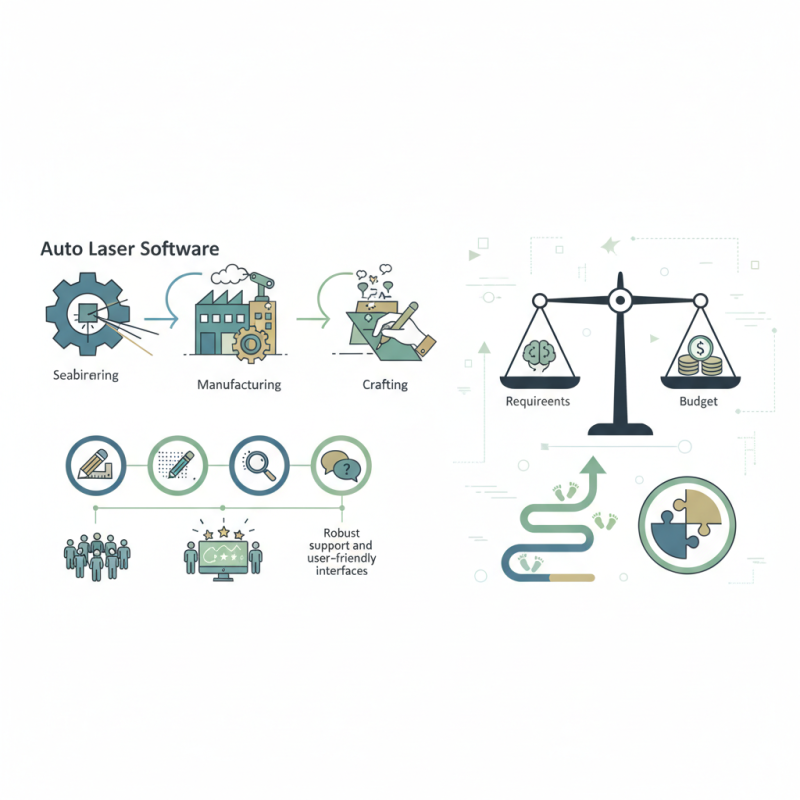
Choosing the right Auto Laser Software can greatly impact your projects. Whether you're in manufacturing or crafting, the software affects productivity and precision. It’s crucial to evaluate your specific needs before making a decision.
Consider what features matter to you. Some software excels in design capabilities, while others focus on engraving precision. Look for programs that offer robust support and user-friendly interfaces. Reviews from experienced users can provide valuable insights.
Remember, the best software for one person may not suit another. Reflect on your requirements and budget. It’s okay to feel overwhelmed. It's a journey of exploration to find software that fits perfectly. Take your time and make informed choices.
Understanding Your Specific Auto Laser Needs
Choosing the right auto laser software starts with understanding your specific needs. Consider what materials you will work with. Will you be engraving wood, metal, or acrylic? Each material may require different software features. Think about the types of projects you plan to undertake. Are you creating custom designs or working on large production runs?
Tips: Identify your primary application first. It helps narrow down the software options.
User interface is also crucial. Software should be user-friendly and intuitive. Complex features can lead to frustration. Make sure the software allows for easy modifications of designs. Check if it supports standard file formats. This ensures compatibility with your existing design tools.
Tips: Look for reviews or user feedback. Real user experiences reveal common frustrations and benefits.
Finally, consider technical support and community resources. Software is only as good as the help behind it. A strong support network can save you time and stress. Reflect on your past experiences with similar tools. What worked? What did not? These insights are valuable for making a decision.
Key Features to Look for in Auto Laser Software
When selecting the best auto laser software, focus on key features. User-friendly design is vital. A clear interface helps you navigate easily, saving time. Consider how intuitive the layout is and whether it meets your skills level.
Compatibility with various laser machines is another crucial aspect. Not all software works with every model. Check if the software supports the technologies you rely on. This ensures seamless operation and reduces the risk of technical issues.
Additionally, look for robust support and documentation. Quality support can be critical when troubleshooting challenges. Access to tutorials and forums adds value, enabling you to learn and adapt quickly. Keep these features in mind to enhance your experience with auto laser software. Always remember, not every software will meet your unique needs perfectly.
Comparing Different Auto Laser Software Options
When choosing auto laser software, you have various options to consider. Each software offers unique features tailored for specific needs. The Annual Worldwide Laser Software Market Report indicates that the industry has grown by approximately 8% in the last year. This growth highlights the increasing reliance on laser technology across different sectors.
Compatibility is crucial. Some software integrates seamlessly with existing systems. Others may require extensive adjustments, which could lead to unexpected costs. User interface design varies significantly, impacting usability and learning curve. Feedback from industry professionals often points to the importance of user-friendliness. Complex interfaces may lead to errors in laser operation.
Functionality is another key aspect. Some software excels in automation, while others focus on precision control. According to a survey by Laser Applications Journal, 70% of users value automation capabilities for efficiency. However, relying solely on automated solutions can be risky. It is essential to strike a balance between automation and manual control to ensure quality output. Consider taking a trial version to gauge performance before making a decision.
Evaluating User Reviews and Expert Opinions
When selecting auto laser software, user reviews and expert opinions play a crucial role. According to a recent industry report, 75% of consumers trust online reviews as much as personal recommendations. However, not all reviews carry the same weight. Evaluating the credibility of these reviews is essential. Look for insights from seasoned professionals who have utilized the software in various applications. Expert analysis often highlights specific features that can enhance user experience, such as ease of use and customer support.
Furthermore, consider the ratings across multiple platforms. A software product with an average rating of 4.5 stars might seem impressive, but underlying metrics must be examined. For example, a large number of reviews can indicate reliability, while a handful of reviews could suggest limited user feedback. Cross-referencing expert opinions can illuminate potential shortcomings. Some experts point out that issues like frequent software updates or lack of compatibility may turn into significant setbacks.
In addition, be aware of bias in reviews. Some users might have unrealistic expectations or limited experience. Thus, comprehensive analysis is necessary. Seek out detailed case studies or comparisons that illustrate the software's performance in real-world scenarios. This layered approach can provide a clearer picture of what to expect and help in making an informed choice.
Budget Considerations for Auto Laser Software Selection
When selecting auto laser software, budget considerations are essential. A clear understanding of your financial limits can help narrow down options. Analyze the features offered at different price points. Cheaper software may lack advanced functionalities you need. Yet, expensive software does not always guarantee the best performance.
Consider hidden costs in addition to the software price. Installation fees, maintenance, and updates can add up quickly. Always account for training expenses. Users may require time to adjust to new systems. A balance between cost and usability is crucial. Overly complex software could hinder productivity, making it harder to justify the expense.
Evaluate the longevity of the software as well. A lower upfront cost may lead to more significant expenses later. Frequent updates and support can be indicators of quality solutions. Failing to consider these aspects could lead to regret down the line. Remember, the goal is to find software that meets your needs without overspending.
Auto Laser Software Budget Considerations