Why Choose a Hydrogen Gas Furnace for Your Heating Needs?
As the world embraces cleaner energy solutions, the Hydrogen Gas Furnace stands out as a promising alternative for heating. Recent industry reports indicate that hydrogen heating could reduce carbon emissions by up to 90%, making it an essential player in our transition to sustainable energy. According to Dr. Emily Carter, a leading expert in hydrogen technologies, "The Hydrogen Gas Furnace represents a pivotal shift towards a more sustainable heating future."
With the increasing demand for efficient heating options, integrating a Hydrogen Gas Furnace can provide numerous benefits. Not only does it align with global carbon reduction goals, but it also offers the potential for lower operational costs. However, challenges remain in the adoption and infrastructure needed for widespread use. The industry must address safety concerns and train professionals adequately to handle this technology.
Despite these hurdles, the advantages of Hydrogen Gas Furnaces cannot be overlooked. They offer a cleaner, more efficient way to heat homes and businesses. As the technology evolves, stakeholders must collaborate to mitigate challenges and promote this innovative heating solution. Solutions driven by Hydrogen Gas Furnaces may redefine our approach to energy consumption and sustainability in the coming years.
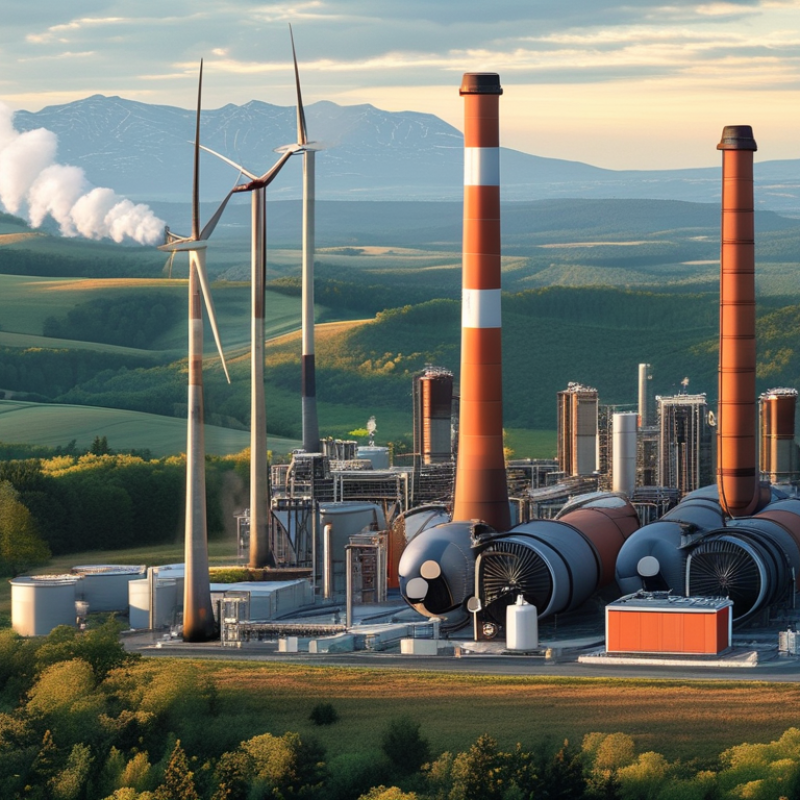
Benefits of Using Hydrogen Gas Furnaces for Home Heating
The use of hydrogen gas furnaces offers unique benefits for home heating. One significant advantage is their environmental impact. Hydrogen generates heat without emitting harmful greenhouse gases. This feature is essential for homeowners seeking greener energy solutions. It aligns with modern sustainability goals. As the demand for eco-friendly options rises, hydrogen furnaces may become more popular.
These systems also provide efficient heating. Hydrogen furnaces convert energy into warmth with remarkable efficiency. This means lower energy costs for homeowners. Additionally, the technology is advancing, leading to improved safety and reliability. Homeowners can enjoy consistent heating without compromising on safety.
When considering hydrogen gas furnaces, remember to assess your home’s infrastructure. Some homes may require upgrades to accommodate the specific needs of these systems. Proper installation is crucial for maximizing efficiency. Work with professionals who understand hydrogen technology. Stay informed about local regulations concerning hydrogen use in residential areas. Embracing new technology can lead to long-term savings and a healthier planet.
Environmental Impact of Hydrogen Gas as a Heating Source
Choosing a hydrogen gas furnace can significantly impact the environment. Hydrogen is the most abundant element and burns cleanly. When used as a heating source, it produces only water vapor. This feature can help reduce greenhouse gas emissions. Traditional fossil fuels release carbon dioxide and other pollutants. Switching to hydrogen offers a path toward reducing your carbon footprint.
Hydrogen production can have both positive and negative effects. Obtaining hydrogen from renewable sources, such as water, is ideal. However, if derived from fossil fuels, it may still contribute to environmental issues. It's crucial to consider how the hydrogen is produced. Opting for green hydrogen ensures a more sustainable heating option.
Tips on adopting hydrogen technology include evaluating your local energy sources. Contact local utility providers to inquire about hydrogen availability. Understand the infrastructure in your area for hydrogen distribution. Research the environmental policies that may affect hydrogen adoption. Staying informed can help you make sound decisions for sustainable heating solutions.
Efficiency Comparison: Hydrogen vs. Traditional Heating Systems
The evaluation of hydrogen gas furnaces reveals significant efficiency advantages. Traditional heating systems often rely on fossil fuels, which can result in higher carbon emissions. Reports indicate that hydrogen combustion produces only water vapor, offering a cleaner alternative. The Energy Efficiency in Industry report estimates that hydrogen fuel can achieve efficiency levels up to 95%.
In contrast, traditional systems typically operate at around 60-80% efficiency. This considerable difference means that heating expenses could dramatically decrease with hydrogen systems. However, these technologies also come with their challenges. The infrastructure for hydrogen production and distribution is still developing, presenting logistical hurdles.
Consumer awareness remains crucial. Not everyone may understand the potential benefits of hydrogen as an energy source. Additionally, the initial investment for hydrogen systems may be higher than traditional heating. Educating homeowners about long-term savings and environmental impact is essential. Therefore, while hydrogen offers a compelling alternative, the path to widespread adoption will require thorough public understanding and infrastructure development.
Cost Considerations When Installing a Hydrogen Gas Furnace
When considering a hydrogen gas furnace, cost is a critical factor. The initial investment can be higher than traditional systems. According to the U.S. Department of Energy, installation costs for hydrogen systems can range from $5,000 to $15,000. However, this can vary based on local market conditions and installation complexity. Over time, the lower operational costs may balance the initial expenses. A hydrogen furnace can operate at approximately 95% efficiency, significantly reducing your energy costs compared to older systems.
Maintenance is another cost aspect to consider. Regular checks are essential to keep the furnace running efficiently. An annual inspection can cost around $150 to $300. This maintenance ensures the system remains safe and effective. The long-term benefits of reduced emissions and energy costs can outweigh these ongoing expenses.
Consider local incentives. Some regions offer subsidies for green technology installations. These incentives can effectively lower your upfront investment. Research available programs in your area. This can make a hydrogen gas furnace more affordable. Evaluating all these factors helps in making an informed decision.
Hydrogen systems require specific plumbing and venting. Ensure your infrastructure can accommodate these needs. Sometimes, additional modifications may be necessary. This could impact your overall budget. Understanding these potential costs is vital for effective planning.
Future Trends in Hydrogen Technology for Residential Heating
Hydrogen technology is rapidly evolving, especially for residential heating. As climate change becomes a pressing issue, many are exploring cleaner alternatives to traditional heating systems. Hydrogen gas furnaces are emerging as a viable option. Analysts predict that the hydrogen heating market could grow by over 25% annually through 2030, driven by technological advancements and government policies.
The push for hydrogen as a clean energy source aligns with global efforts to reduce carbon emissions. According to the International Energy Agency (IEA), hydrogen could account for 18% of global energy demand by 2050. This growth will create a significant demand for hydrogen furnaces in households. They offer a cleaner burning fuel compared to natural gas, emitting only water vapor.
Challenges exist, however. The infrastructure for hydrogen distribution is still underdeveloped. Some experts warn about the risks associated with hydrogen transport and storage. There is also a need for extensive public education regarding the safety and efficiency of hydrogen systems. As the technology matures, addressing these concerns is critical for widespread adoption. The future of hydrogen heating may well depend on ongoing innovation in these areas.