Why Choose Composite Fireproof Doors for Your Business Needs?
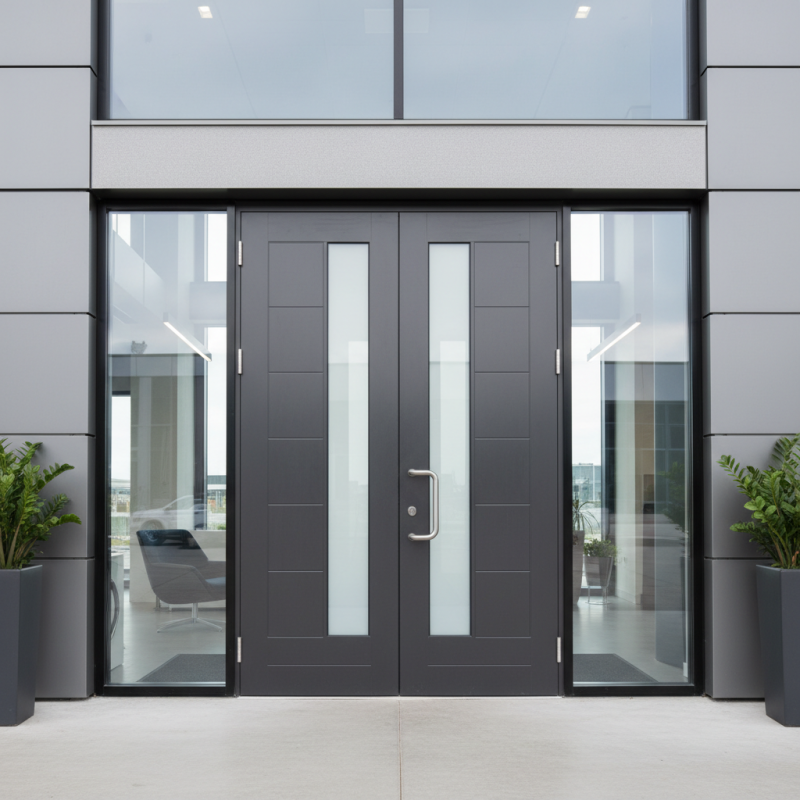
In today's business landscape, safety and security are paramount. Choosing the right doors can make a significant difference. Composite Fireproof Doors stand out as a leading option for various industries. Their unique blend of materials offers unparalleled fire resistance, ensuring that your premises remain safe. These doors are not just functional; they enhance the aesthetic appeal of your establishment.
Many businesses underestimate the importance of proper fire safety measures. A single incident can lead to devastating consequences. By investing in Composite Fireproof Doors, you not only protect your assets but also ensure a secure environment for your employees and customers. The high ratings and certifications associated with these doors provide peace of mind.
While some may question the cost-effectiveness of Composite Fireproof Doors, consider the potential losses from a fire. The long-term benefits, including reduced insurance premiums and lower maintenance costs, often outweigh initial investments. Embracing these innovative solutions reinforces your commitment to safety and reliability in the workplace.
Importance of Fire Safety in Commercial Spaces: A Statistical Overview
Fire safety in commercial spaces is crucial. Statistics reveal that businesses are at significant risk of fire incidents. In fact, about 30% of fires in non-residential buildings are caused by electrical malfunctions. These events can lead to severe property damage and loss of life.
Choosing composite fireproof doors is an effective way to enhance safety. These doors are designed to withstand high temperatures for extended periods. They provide a barrier that can significantly slow down the spread of flames and smoke. In a fire emergency, every second counts. These doors can offer those precious seconds to evacuate safely.
However, relying solely on fireproof doors isn't enough. Regular maintenance and inspections are just as important. Some businesses neglect these aspects, leading to a false sense of security. It's essential to create a culture of safety in the workplace. Training employees and conducting fire drills can save lives. Prioritizing fire safety measures should be a continuous effort, not a one-time initiative.
Importance of Fire Safety in Commercial Spaces: A Statistical Overview
Characteristics of Composite Fireproof Doors: Materials and Performance Metrics
Composite fireproof doors are increasingly popular in commercial settings. They combine various materials, enhancing durability and safety. Materials such as steel, gypsum, and mineral cores provide excellent fire resistance. According to a report from the National Fire Protection Association (NFPA), these doors can withstand flames for up to 90 minutes. This can be crucial during emergencies.
Performance metrics play a significant role in choosing fireproof doors. Fire-rated doors are tested for strength and heat resistance. The American Society for Testing and Materials (ASTM) outlines standards that ensure performance reliability. Many composite options meet or exceed these standards. They effectively block smoke and hot gases, protecting occupants. However, improper installation can compromise their efficacy.
In addition to fire resistance, aesthetics matter. Composite doors offer a sleek appearance. They come in various finishes to match business decor. Nevertheless, businesses should weigh their options carefully. Selecting the right fireproof door impacts safety and compliance. Reviewing local building codes is essential. After all, the right choice enhances both security and peace of mind.
Cost-Benefit Analysis of Composite Fireproof Doors for Businesses
Composite fireproof doors offer a blend of durability and aesthetic appeal for businesses. According to a report from the Fire Safety Engineering Journal, these doors can withstand fire for up to 90 minutes. This characteristic not only protects assets but also enhances workplace safety. The initial investment in composite doors may be higher than traditional options. However, the long-term benefits can outweigh these costs.
Research from the National Fire Protection Association indicates that installing fire-rated doors can reduce damage costs by up to 30%. This reduction could translate into significant savings over time. Moreover, composite doors typically require less maintenance compared to solid wood or steel doors. Businesses might not fully appreciate this point. Over time, maintenance costs can accumulate with neglect.
The energy efficiency of composite fireproof doors also deserves attention. Studies from the Department of Energy show that these doors enhance insulation. This can lead to lower heating and cooling costs. However, some companies may overlook the potential savings in energy bills. Choosing composite doors reflects a proactive approach to both safety and cost management. Nonetheless, the initial decision may cause hesitation, and understanding the true benefits is crucial.
Regulatory Standards and Compliance for Fireproof Doors in Business Environments
When selecting fireproof doors for business environments, regulations play a crucial role. Fire safety codes, such as NFPA 80, outline the standards for fire door assemblies. Compliance with these standards helps ensure safety and protects property. According to the National Fire Protection Association, improperly installed fire doors contribute to 40% of fire-related fatalities.
Many businesses overlook the importance of ongoing inspections. Regular checks are essential to maintain compliance and functionality. The International Building Code requires that fire doors undergo inspection at least once a year. Ignoring this may lead to dire consequences during a fire. Discrepancies in compliance can result in legal issues or higher insurance premiums.
Composite fireproof doors are a reliable choice due to their robustness. They combine materials like steel and fiberglass for enhanced durability. The combination offers excellent fire resistance, often rated for up to three hours. However, not all composite doors meet the necessary standards. It is vital to verify the certifications and testing reports before installation. Choosing the right product is a reflection of commitment to safety in the workplace.
Comparison of Composite Fireproof Doors vs. Traditional Fire Doors: A Detailed Review
When considering safety in commercial buildings, the choice of fire doors is crucial. Composite fireproof doors have been gaining attention due to their tailored benefits. These doors typically combine materials like steel and reinforced fibers, offering enhanced fire resistance. According to the National Fire Protection Association, composite doors can withstand flames longer than traditional wood or metal doors, reducing risks during critical moments.
Traditional fire doors often rely on solid wood or metal, which can warp or corrode over time. In contrast, composite options are frequently lighter and easier to install. A study by the Fire Door Inspection Scheme indicates that composite doors also provide superior insulation, reducing heat transfer during a fire. This insulation can delay the spread of fire, allowing for safer evacuation. Interestingly, many businesses overlook regular inspections of their fire doors, which can lead to misjudgments about their condition and effectiveness.
However, cost analysis reveals a disparity; the upfront investment in composite doors may be higher, raising valid concerns for budget-conscious businesses. Yet, considering long-term benefits like lower maintenance and insurance premiums, these doors may offer better value. Research shows that businesses investing in higher safety standards see up to a 20% reduction in fire-related losses. Balancing initial costs with safety benefits is essential for smart decision-making in fire safety.