Why Choose Cartridge Filters for Your Water Purification Needs?
Choosing the right water purification solution is crucial for health and safety. Cartridge filters stand out among various options due to their effectiveness and reliability. According to a report from the Water Quality Association, cartridge filters can remove up to 99% of common contaminants, including chlorine and sediment. This makes them a popular choice for both residential and commercial applications.
Expert in water treatment, Dr. Emily Carter, emphasizes the importance of cartridge filters: “They provide targeted filtration and are easy to replace, making them ideal for regular use.” Such insights reflect the growing recognition of the value these filters offer. The combination of efficiency and convenience makes cartridge filters a practical choice.
Despite their many advantages, not all cartridge filters are created equal. Selecting the right filter involves understanding specific water quality needs and potential limitations. It's essential to evaluate the performance of various products and consider factors like filter lifespan and replacement frequency. Making an informed decision can greatly enhance the purification process and ensure safe drinking water.
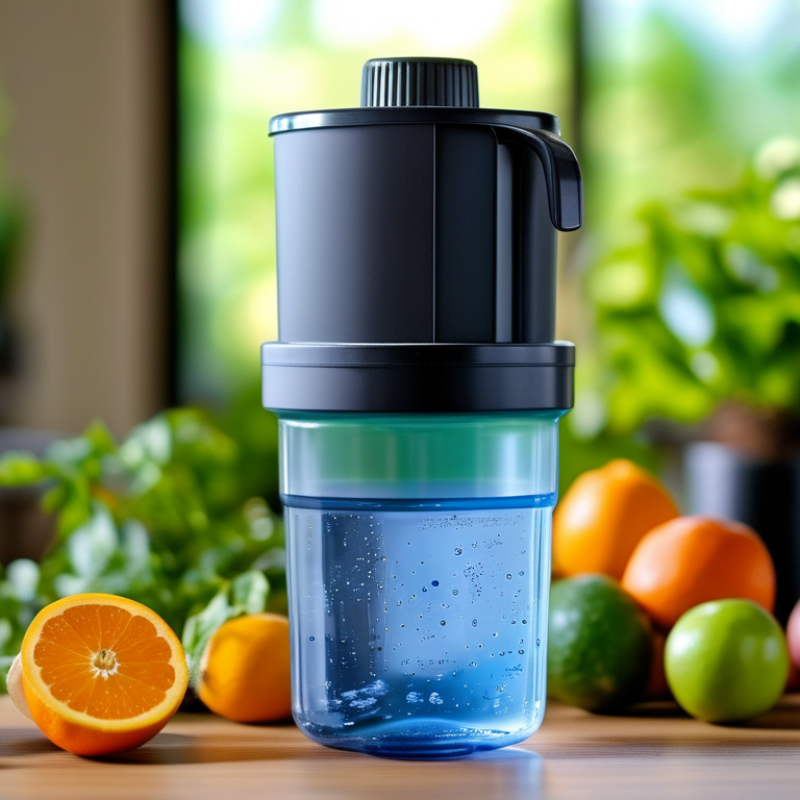
Benefits of Cartridge Filters in Water Purification Systems
Cartridge filters offer a practical solution for your water purification needs. One key benefit lies in their efficiency. They effectively trap sediments, dirt, and debris, ensuring that water is not only clean but also safe to drink. This purification method addresses the quality of water in households, which can often contain impurities. The simplicity of changing a cartridge enhances user experience, making it accessible for everyone.
Another advantage of cartridge filters is their versatility. They can fit in various water systems, from countertop units to under-sink installations. This flexibility caters to different preferences and spaces, allowing individuals to choose what best suits them. Also, they have a relatively low initial cost, making water purification more attainable for many families. However, it is crucial to replace the filters regularly for optimal performance, reminding users of their role in maintaining water quality.
Despite the clear benefits, users must stay informed about their filter's effectiveness. Over time, even the best filters can become less efficient. Not every cartridge filter is designed to remove all contaminants. It's essential to choose wisely based on specific water quality needs. Understanding the nuances of different cartridges ensures that you select the right one for your situation. This reflection empowers users, promoting not just reliance on technology, but a proactive approach to water safety.
Benefits of Cartridge Filters in Water Purification Systems
This chart illustrates the various benefits of using cartridge filters in water purification systems, rated on a scale from 1 to 10. As seen, cartridge filters offer high cost-effectiveness and precise filtration, making them a popular choice for many consumers.
Different Types of Cartridge Filters and Their Applications
Cartridge filters play a vital role in water purification. They come in various types, each designed for specific applications. First, sediment filters remove large particles like sand and dirt. These protect other filtration systems by preventing clogging. Many people rely on these filters for safe drinking water.
Another common type is activated carbon filters. They excel in reducing chlorine and improving taste. These filters work through adsorption, trapping impurities in the carbon material. Users often appreciate their effectiveness in enhancing water’s flavor. However, they may need frequent replacement for optimal performance.
For specialized needs, reverse osmosis cartridges are highly regarded. They filter out dissolved solids, such as heavy metals and salts. This technology is ideal for those in areas with poor water quality. Yet, it can waste a significant amount of water during the purification process. Each cartridge filter type has its pros and cons. Choosing the right one requires understanding your specific water needs.
How Cartridge Filters Work to Remove Impurities from Water
Cartridge filters are a popular choice for water purification due to their effectiveness in removing impurities. They typically use multiple layers of filtration media, such as activated carbon or ceramic, to capture contaminants. These filters can eliminate sediments, chlorine, heavy metals, and even some bacteria. According to recent industry reports, cartridge filters can remove up to 99% of specific contaminants when used correctly.
When considering water purification, it's important to remember that maintenance is key. Regularly replacing cartridge filters is essential for optimal performance. A study showed that filters lose effectiveness over time, often within three to six months, depending on usage. Additionally, not all impurities are removed by every type of cartridge. It requires understanding your water source and its specific contaminants to choose the right filter effectively.
Tips: Check for certifications on filters. This ensures that they meet industry standards. Regularly monitor water quality to adjust your filtration system as needed. If you notice changes in taste or odor, it might be time to change your filter earlier than scheduled.
Maintenance Tips for Extending the Life of Cartridge Filters
Choosing cartridge filters for water purification can significantly improve water quality. However, their lifespan and efficiency depend on proper maintenance. Regular care ensures optimal performance, helping to provide clean and safe drinking water.
To extend the life of your cartridge filters, replace them every six months or as recommended. Routine checks are vital. If you notice a change in taste, odor, or flow rate, it’s time for a change. For best results, consider your water usage. Homes with higher sediment levels may require more frequent replacements.
Cleaning is another essential maintenance tip. Simply rinsing the filter with clean water can remove trapped particles. However, this is only a temporary fix. It’s recommended to deep clean occasionally, using a soft brush. According to industry reports, poorly maintained filters can lose up to 50% of their effectiveness in just three months. This highlights the necessity of active involvement in your filter care routine. Efficient filtration is worth the effort.
Cost-Effectiveness of Cartridge Filters Compared to Other Systems
When considering water purification, cost is a crucial factor. Cartridge filters stand out as a cost-effective choice. Compared to other systems, they often require lower initial investments and maintenance costs. Many households find that replacing cartridges is simpler than dealing with complex systems. This simplicity can lead to savings over time.
Tips: Regularly check your cartridge filter. Early replacements can prevent costly repairs from other parts of the system.
Cartridge filters also use less energy. They operate without the need for sophisticated machinery. This aspect reduces electricity bills, making them a practical option for many families. Users can often change their filters independently, cutting down on service fees.
Tips: Always follow the manufacturer's guidelines for replacement. Using the correct specifications can maximize your filter's lifespan and efficiency.
Be aware that lowest cost is not always best. Some filters might struggle with specific contaminants. Knowing your water quality can guide you to the right choice. Ensure to evaluate the filter performance based on your needs and expectations.