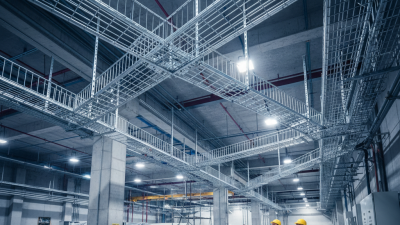
Why Choose Cable Tray Systems for Your Electrical Installations?
In today's rapidly evolving electrical installation industry, choosing the right infrastructure is critical. Cable tray systems offer a versatile and efficient solution. As reported by the National Electrical Contractors Association (NECA), the use of cable trays can improve cable management by over 30%. This efficiency not only reduces installation time but also enhances safety.
Cable tray systems support various cable sizes and types, making them suitable for a range of applications. According to a recent study by Research and Markets, the global demand for cable tray systems is projected to grow at a CAGR of 6.5% from 2021 to 2026. This statistic highlights the ongoing shift towards more organized and efficient electrical installations.
However, some installations still overlook the advantages of cable tray systems. Lack of awareness or misconceptions about installation complexity can hinder widespread adoption. Making an informed decision involves understanding the long-term benefits this system can provide. As the industry continues to innovate, the importance of cable trays cannot be understated. They are not just a component; they are a backbone for efficient electrical systems.
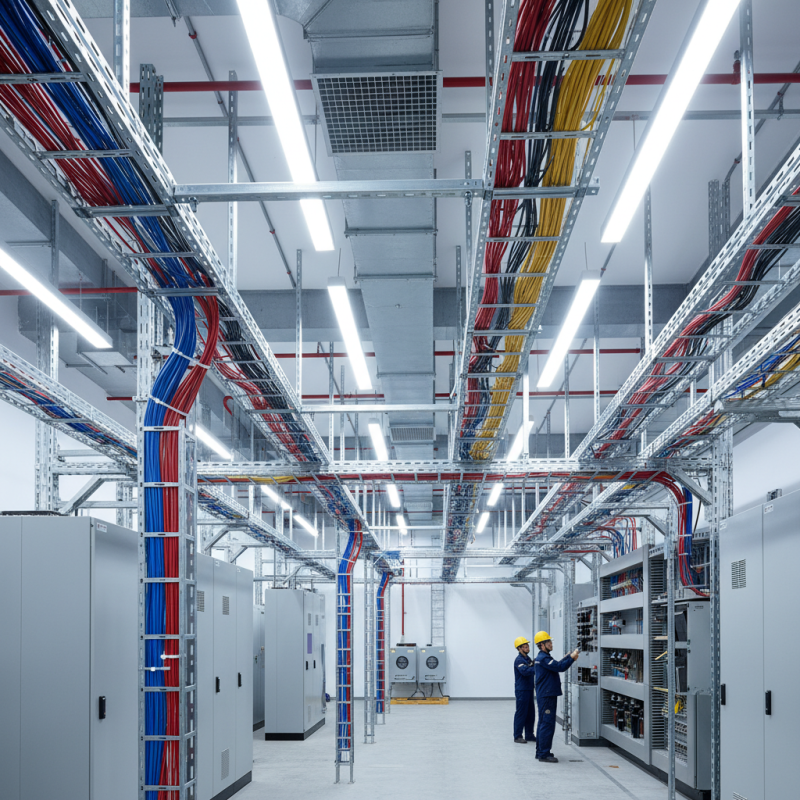
Benefits of Cable Tray Systems in Electrical Installations
Cable tray systems have gained popularity in electrical installations due to their numerous benefits. These systems provide efficient cable management, aiding in organization and safety. According to a report by the National Electrical Manufacturers Association, using cable trays can reduce installation time by up to 30%. This efficiency translates to lower labor costs and faster project completion.
One key advantage of cable trays is their ability to withstand harsh environments. They are designed to protect cables from moisture, heat, and chemical exposure. For instance, a study published in the Journal of Electrical Engineering found that cable trays can increase cable lifespan by approximately 20% compared to other methods. This durability is crucial for long-term investments in electrical infrastructure.
Tip: Regular inspections of cable trays can prevent potential hazards. Look for signs of wear or damage. Ensure cables are properly routed to avoid overcrowding.
Choosing a cable tray system also allows for easy modifications. As project requirements evolve, these trays provide flexibility for adding or rerouting cables. However, improper installations can lead to safety risks. It’s essential to follow best practices for installation. This reflects the importance of training personnel properly.
Tip: Always refer to the installation guidelines. A small oversight can lead to inefficiencies.
Comparative Analysis of Cable Tray vs. Conduit Systems
Cable tray systems and conduit systems serve the same purpose: managing electrical wiring. However, they differ significantly in their design and function. Cable trays offer an open structure, allowing for easy access. This makes maintenance and upgrades simpler. In contrast, conduits provide a closed, protective pathway. This can make installation tricky, especially in tight spaces.
When considering installation, think about flexibility. Cable trays allow for faster modifications. You can easily add or remove cables. This is particularly useful in facilities with changing needs. On the other hand, conduit systems can feel restrictive. Once you install a conduit, changes may require substantial effort.
**Tip:** Consider future needs. If your installation may evolve, cable trays are a smart choice.
One downside to cable trays is the exposure of wires. Over time, dust and debris can accumulate. This requires regular cleaning to maintain performance. In contrast, conduits protect cables from environmental factors. However, this can lead to problems if blockages occur.
**Tip:** Balance protection and accessibility. Choose the system that fits your specific environment best.
Why Choose Cable Tray Systems for Your Electrical Installations? - Comparative Analysis of Cable Tray vs. Conduit Systems
| Criteria |
Cable Tray Systems |
Conduit Systems |
| Installation Speed |
Faster installation with less labor |
Takes longer, requires more fittings |
| Flexibility |
Highly flexible, easy to modify |
Less flexible, modifications are difficult |
| Maintenance |
Easy access for maintenance |
Access can be restricted |
| Cost Efficiency |
Generally lower cost over time |
Higher long-term costs due to installation |
| Aesthetic Appeal |
More visually appealing in most installations |
Can be less attractive |
| Durability |
Very durable, withstands harsh environments |
Durable but can corrode in certain conditions |
Cost-Effectiveness and Efficiency of Cable Tray Installations
When it comes to electrical installations, choosing the right system is crucial.
Cable tray systems offer a cost-effective solution. They reduce installation time and labor costs, making them appealing for contractors.
With a straightforward design, they are easier to install than traditional conduit systems. This can lead to significant
savings in both time and money.
However, workmanship quality is vital. Poor installation may lead to future issues.
Regular inspections are necessary to prevent hazards. Cable trays can hold a variety of cables, providing flexibility.
This versatility can lower costs over the long term, as fewer systems may be needed.
While the initial investment may seem higher, the pay-off in maintenance and durability is worth considering.
Efficient cable management reduces downtime
and increases safety. But, it's essential to weigh the upfront costs against long-term benefits to make the best decision.
Investing in proper training for installation can enhance performance and efficiency.
Impact of Cable Tray Systems on Maintenance and Accessibility
Cable tray systems play a crucial role in modern electrical installations. They impact maintenance significantly. A study by the National Electrical Manufacturers Association (NEMA) shows that infrastructure with these systems can reduce maintenance time by up to 30%. This efficiency makes a difference when managing large facilities.
Improved accessibility is another critical factor. Compared to traditional wiring methods, cable trays allow for easier access to electrical components. Technicians can perform inspections and repairs without extensive downtime. In fact, a report from the Electrical Contractors Association states that over 40% of maintenance issues are resolved faster with cable tray installations.
However, there are challenges. Overcrowding in trays can lead to heat accumulation, affecting cable lifespan. Regular monitoring is necessary to prevent such issues. It’s essential to find a balance between accessibility and organization. Ultimately, the implementation of cable tray systems requires careful planning and ongoing assessment.
Impact of Cable Tray Systems on Maintenance and Accessibility
The following bar chart illustrates the comparative impact of cable tray systems on maintenance efficiency and accessibility in electrical installations.