How to Choose the Best CNC Electric Tube Bender for Your Needs?
Choosing the right Cnc Electric Tube Bender is crucial for efficiency and precision. According to a report by Modern Machine Shop, the global CNC bending machine market is set to grow by 5% annually. This rise highlights the importance of selecting quality equipment tailored to specific needs. Industry expert Dr. James H. Carter emphasizes, "Investing in the right tools pays off in the long run."
When considering a CNC Electric Tube Bender, numerous factors come into play. The complexity of the bending process varies based on tube material, diameter, and bend angles. While many manufacturers produce machines, not all are suited for diverse applications. A system that excels in one scenario may falter in another, reflecting the need for careful evaluation.
Many users overlook essential features like automation and software capabilities. This neglect often leads to inefficiencies in production. It’s also worth noting that manufacturers must balance cost and performance. The perfect solution for one shop might not meet another's requirements. Reflecting on these points can guide you toward the CNC Electric Tube Bender that aligns with your operational goals.
Types of CNC Electric Tube Benders and Their Applications
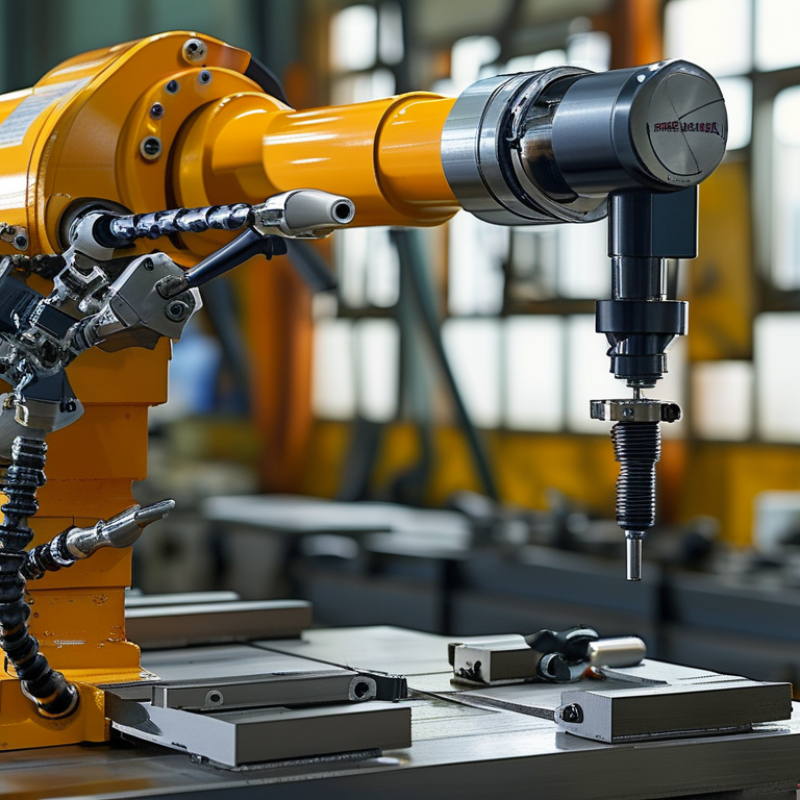
When selecting a CNC electric tube bender, understanding its types and applications is crucial. There are various models available, each catering to specific needs. For instance, manual bending machines are often more affordable. However, they require skilled operators and can lead to inconsistencies. In contrast, fully automated CNC tube benders can increase efficiency but may involve higher initial costs and complex programming.
Rotary draw benders are popular for their accuracy in producing intricate shapes. They are ideal for industries requiring precision, such as aerospace and automotive. Conversely, compression benders are suited for less complex designs. They are often used in furniture and construction industries. It’s essential to consider the materials you’ll be using. Different machines handle various alloys and thicknesses differently, impacting durability.
Investing in the right bender demands introspection. Reflecting on your current and future needs is necessary. Consider the adaptability of the machine for potential growth in your projects. Are you prepared for maintenance and operational training? These factors can later affect your production efficiency. It’s essential to strike a balance between versatility and budget constraints. Your choice should align with your business goals and operational capacity.
Comparison of Different Types of CNC Electric Tube Benders
Key Features to Look for in a CNC Electric Tube Bender
When selecting a CNC electric tube bender, focus on key features that will suit your needs. Precision control is essential. Look for machines that offer programmable settings. A user-friendly interface allows for easier operation, reducing the learning curve. Additionally, ensure it supports various tube materials. Flexibility is crucial for adapting to different projects.
Pay attention to bending capacities. The machine should accommodate the sizes you often work with. An ability to perform multiple bends in one setup is invaluable. This can enhance efficiency significantly. Consider the motor power as well; a more powerful motor can provide smoother operation and reduce wear over time.
Durability matters. Choose a bender constructed with high-quality materials. This ensures long-term reliability. Regular maintenance should be straightforward to keep the machine in top shape. While many machines have advanced features, evaluate your actual needs. Too many unnecessary functions can complicate processes. Reflect on how each feature aligns with your work to make the best choice.
Assessing Your Project Requirements for Optimal Machine Selection
When selecting a CNC electric tube bender, understanding your project requirements is crucial. Different projects necessitate varying functionalities. For instance, consider the tube materials you will work with. Some metals require specific bending techniques for effective shaping. Knowing your material saves time during the bending process.
Project scale also influences machine choice. A prototype may need different specifications compared to mass production. Benders with adjustable settings can accommodate various project sizes. Engage in discussions with colleagues or industry experts to gauge the necessary features. Their insights may reveal needs you haven't considered.
Think about the bending angles required. Certain projects demand precision with complex curves. A basic model may not suffice. Evaluate the learning curve of operating advanced machinery, too. Complex functions can be daunting for beginners. Anticipate potential challenges, and ensure your team can handle them effectively. Create a checklist to guide your decision. This structured approach can help clarify what you truly need in a bender.
Budget Considerations and Cost-Effectiveness of Tube Benders
When it comes to selecting a CNC electric tube bender, budget is a significant factor. Prices can vary widely based on features, capabilities, and brand. A lower-priced model may seem appealing, but consider the potential trade-offs. It might lack the precision or durability of higher-end machines. Investing in quality can reduce long-term costs.
Determine your specific needs before shopping. Are you bending thick tubing or delicate materials? Your requirements affect the machine's cost. Some benders offer advanced features like automated programming but can raise the price. Make sure those features align with your tasks.
Unforeseen expenses can arise. Maintenance and parts replacement are essential considerations. A cheaper machine may end up costing more over time if it needs frequent repairs. Research reliable sources to gauge long-term performance. Prioritize models with good reviews and service records. This approach safeguards your investment.