Best Transfer Switch Options for Efficient Power Management?
When it comes to managing power effectively, a Transfer Switch is an essential tool. Many homeowners and businesses face unexpected power outages. A reliable transfer switch can make a significant difference. It enables seamless switching between a utility source and a backup generator. This ensures that critical appliances and systems remain operational.
The market offers various options for Transfer Switches. Choosing the right one can be daunting. Factors like capacity, installation requirements, and safety features are crucial. You might want a switch that fits your specific needs and budget. It's important to do thorough research before making a decision. Some choices may seem perfect initially, but they might not suit your long-term needs.
Expert recommendations can guide you. Seek advice from professionals who understand power management systems. Past experiences and detailed reviews can provide valuable insights. A Transfer Switch should not only be effective but also reliable in emergencies. By investing time in choosing wisely, you can enhance your power management strategy significantly.
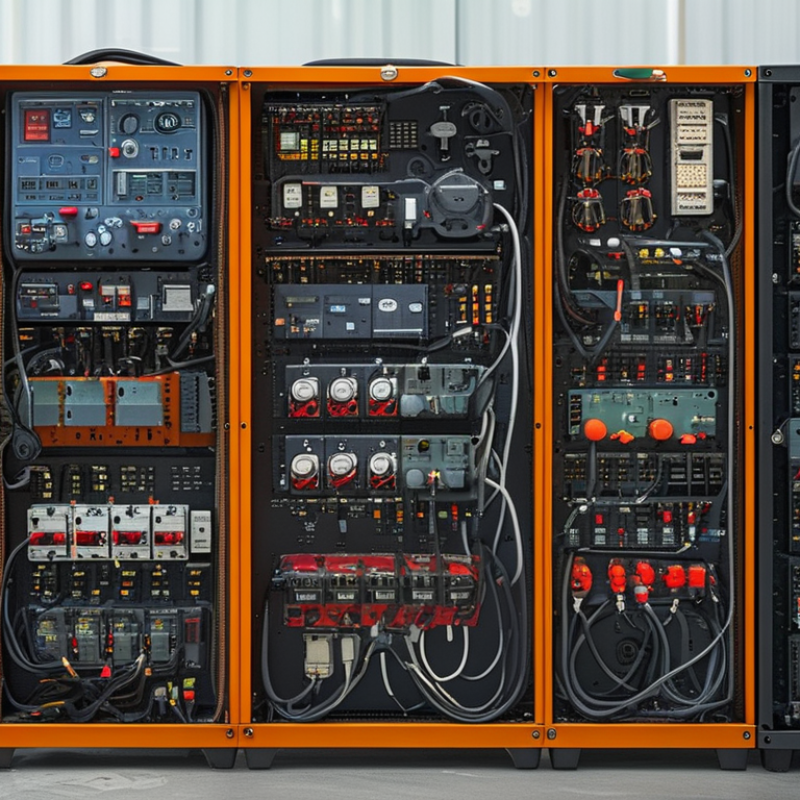
Understanding Transfer Switch Basics and Their Importance
Transfer switches are crucial for effective power management, especially during outages. These devices seamlessly transfer power from the utility to a backup generator. In regions prone to blackouts, the absence of a reliable transfer switch can result in significant losses. According to industry reports, nearly 60% of businesses experience revenue loss during power outages. This highlights the need for effective power solutions.
Understanding how transfer switches function is vital. They protect electrical systems and ensure safety. Manual transfer switches require human intervention, while automatic switches operate without manual effort. The latter offers peace of mind, especially in emergency scenarios. Data shows that 75% of homeowners prefer automatic models for their reliability. However, they can be more expensive and may require professional installation.
Not all transfer switches are created equal. Some may fail to meet specific safety standards or lack proper certification. This makes it essential to verify the quality of the device before purchase. Consumers often overlook maintenance requirements as well. Regular checks can improve efficiency and lifespan. It's common to underestimate these needs, leading to unexpected failures in critical moments.
Types of Transfer Switches: Manual vs. Automatic
When considering power management solutions, selecting the right type of transfer switch is crucial. Manual and automatic transfer switches serve distinct roles. Manual transfer switches require human intervention to switch power sources. This can be a cost-effective option for those who are comfortable monitoring power supply.
In contrast, automatic transfer switches operate seamlessly. They detect power outages and switch to backup power without any manual effort. This feature is beneficial for critical systems that need immediate power continuity, like medical equipment or data centers. However, automatic options tend to be more expensive.
Tips: Always assess your needs before choosing a switch. Consider how often you experience outages. Also, think about your technical comfort level. If you're unsure, consulting a professional can ensure you make the best choice. Investing in quality components is critical. Skimping on materials may lead to failures later on, costing more in the long run.
Key Features to Consider When Choosing a Transfer Switch
Choosing the right transfer switch is crucial for effective power management. Several key features should guide your decisions. Start with the electrical rating. Ensure it matches your generator's output. This prevents overload and potential hazards. Pay attention to the transfer switch type. Automatic switches provide seamless power transfer, while manual types offer control during outages.
Another aspect is the number of circuits it can handle. A switch that accommodates more circuits allows flexibility. You might want to power multiple appliances or systems. Look for built-in safety features like surge protection. These measures safeguard your devices during power fluctuations.
Consider installation requirements too. Some switches need professional installation, adding to costs. Reflect on the space available for installation. A compact model might be necessary if space is limited. It's essential to weigh all these details. Your choice directly impacts efficiency and safety. Make informed decisions without rushing.
Installation Guidelines for Efficient Power Management
When considering transfer switch installation, efficiency in power management is key. Proper setup can significantly enhance safety and reliability. Start by assessing your electrical load. Understanding your usage helps you select the right switch specifications. Each component must fit your power needs. This ensures that everything runs smoothly during outages.
Choose an accessible location for the transfer switch to simplify the connection process. Make certain that it complies with local codes. Installation requires precise connections to your power source and the generator. Limiting distance between the switch and these sources minimizes potential voltage drops. Labeling wires clearly enhances safety.
Errors in installation can lead to serious problems. Double-check all connections before powering on the switch. Familiarize yourself with the switch's operations. Having a clear understanding of its functionalities is essential for effective management. Regular maintenance checks can prevent unexpected failures. Consider scheduling these to reinforce reliability.
Top Transfer Switch Brands and Products Reviewed
When choosing a transfer switch, several options can enhance power management efficiency. Proper systems ensure safety and reliability during electrical outages. According to a recent industry study, a well-designed transfer switch can reduce downtime by up to 80%. This efficiency can save both time and money for businesses and homeowners alike.
Among the leading brands, various products have gained recognition for their performance and durability. Reports indicate that automatic transfer switches (ATS) are particularly favored for their ease of use. These switches allow for seamless transitions between main and backup power sources, making them ideal for critical applications. Additionally, the National Electrical Manufacturers Association (NEMA) highlights the importance of compliance with safety standards when selecting a transfer switch.
However, selecting the right product isn't always straightforward. It is crucial to evaluate your specific power requirements. Miscalculating these needs can lead to inadequate performance or safety risks. Many users express concerns over installation complexity, which may require professional assistance. Keep in mind that not all systems fit every situation. Therefore, thorough research is essential before making a decision.
Best Transfer Switch Options for Efficient Power Management
| Model | Power Rating (Watts) | Number of Circuits | Transfer Switch Type | Price ($) |
| Model A | 7500 | 10 | Automatic | 300 |
| Model B | 5000 | 6 | Manual | 250 |
| Model C | 10000 | 12 | Automatic | 450 |
| Model D | 8000 | 10 | Manual | 350 |
| Model E | 6000 | 8 | Automatic | 370 |