Best Safety Helmet Options for Maximum Protection and Comfort?
In today's demanding work environments, the importance of a reliable Safety Helmet cannot be overstated. According to the National Institute for Occupational Safety and Health (NIOSH), head injuries account for a significant percentage of workplace fatalities. This alarming statistic highlights the need for effective protective gear. Quality helmets not only shield against impacts but must also provide comfort for prolonged use.
Experts recommend that employers prioritize investing in certified Safety Helmets. The American National Standards Institute (ANSI) mandates specific safety standards that helmets must meet. Choosing the right helmet can drastically reduce the risk of head injuries. However, many workers still struggle with finding the perfect balance between protection and comfort. This gap often results in non-compliance, as uncomfortable helmets may be removed during critical tasks.
Reflecting on industry studies, around 20% of workers have reported discomfort wearing Safety Helmets. Improved designs with better ventilation and lighter materials are essential. It’s vital to continuously assess helmet performance and user satisfaction. Ensuring the right fit not only enhances protection but will also encourage consistent use in potentially hazardous situations.
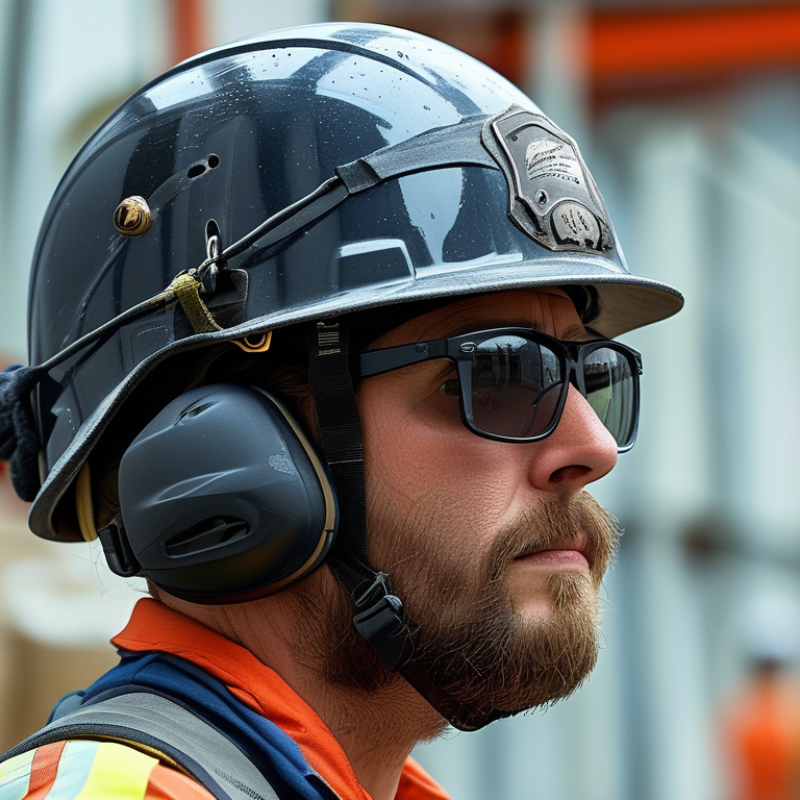
Best Safety Helmet Materials: Assessing Durability and Impact Resistance
When it comes to safety helmets, the materials play a crucial role in ensuring both comfort and protection. Generally, safety helmets are made from materials such as polycarbonate, fiberglass, and high-density polyethylene (HDPE). Each material has its unique properties, influencing its durability and impact resistance. According to a report by the Occupational Safety and Health Administration (OSHA), helmets constructed from polycarbonate offer superior impact resistance due to their lightweight composition and high energy absorption capabilities.
Recognizing that high durability is vital for safety helmets, experts recommend that employers choose helmets with certifications, such as those compliant with the American National Standards Institute (ANSI) standards. These helmets undergo rigorous testing to verify their ability to withstand impact. A study from the National Institute for Occupational Safety and Health (NIOSH) suggests that helmets made from fiberglass, while heavier, provide excellent resistance against punctures. They might cost more, but their long-lasting nature ensures better protection over time.
Personal comfort should not be overlooked. Too often, workers endure uncomfortable helmets due to improper fit or weight distribution. Interesting data from the Bureau of Labor Statistics emphasizes that discomfort can lead to non-compliance, undermining safety efforts. Therefore, selecting helmets that combine protective features with ergonomic designs can significantly enhance user acceptance and adherence to safety protocols.
Best Safety Helmet Materials: Assessing Durability and Impact Resistance
Understanding Helmet Safety Ratings: ANSI, CSA, and EN Standards Explained
Choosing the right safety helmet involves understanding safety ratings. ANSI, CSA, and EN standards offer guidelines for protection levels. Each standard has specific tests designed to assess impact resistance, penetration, and electrical hazards.
ANSI helmets are widely used in the United States. They ensure helmets meet rigorous impact tests. CSA helmets, on the other hand, are used primarily in Canada. These helmets include additional protection features, particularly against electrical risks. EN standards are common in Europe. They address various unique hazards encountered in different work environments.
It's essential to consider comfort and fit. A poorly fitted helmet could lead to distraction or discomfort, undermining safety. Look for features that improve ventilation and weight distribution. Poor designs can create pressure points on the head. Regularly inspecting your helmet is just as important. Cracks or signs of wear can indicate the helmet is no longer safe.
Ergonomics in Helmet Design: Ensuring Comfort During Prolonged Use
Ergonomics plays a crucial role in helmet design. Many workers wear helmets for hours. Discomfort can lead to poor compliance. According to a recent study, nearly 25% of workers report discomfort from their helmets. This discomfort often relates to fit and weight distribution. An ergonomically designed helmet can significantly improve wearability.
The weight should be evenly distributed. Padding materials also matter. High-quality foam can enhance comfort. A report from the International Safety Federation highlights that helmets with better padding reduce fatigue by 30%. This statistic underscores the importance of investing time in testing various models. A well-fitted helmet minimizes distractions during work.
Don't underestimate the ventilation features in helmets. Adequate airflow helps regulate temperature. Helmets with adjustable vents can be beneficial in varying climates. Select a helmet that allows for customization to your head shape. Reviewing user feedback is essential. Every person’s comfort is different. A helmet that fits one person may not suit another. Be willing to explore options until you find the right fit.
Ventilation Features in Safety Helmets: Balancing Breathability and Protection
Ventilation is essential for safety helmets. It influences comfort during long hours of wear. Well-ventilated helmets allow airflow, reducing heat buildup. This can significantly enhance focus in high-pressure environments. A comfortable worker is often a more productive one. However, achieving this balance is tricky.
Too much ventilation can compromise protection. Safety standards require helmets to absorb impacts effectively. Designers must prioritize safety while integrating features for breathability. Not all designs achieve this balance perfectly. Some may offer excellent air circulation but fall short in impact resistance. It's crucial to analyze the materials and construction quality.
Many users report discomfort during warmer months. Insufficient ventilation can lead to sweat accumulation. This can distract and irritate the wearer. Manufacturers are constantly experimenting with innovative designs. However, the challenge remains. Users should consider their specific needs when selecting a helmet. An informed choice is vital.
Adjustable Fit Systems: Enhancing Safety Through Proper Helmet Fit
An adjustable fit system is crucial for maximizing helmet safety and comfort. A well-fitted helmet reduces movement during impact, decreasing the risk of injury. Each helmet should have a system to easily modify sizing. This allows wearers to achieve a snug fit without constant readjustments.
Proper helmet fit enhances user confidence. A helmet that shifts can lead to distractions. Some systems offer quick-adjust mechanisms, which make it easy to tighten or loosen the fit. However, users sometimes struggle with these mechanisms, feeling uncertain about achieving the right tightness.
Not everyone knows how to assess fit properly. Many believe a tight helmet is better, yet comfort is equally essential. A helmet should feel secure but not overly constrictive. Small discomfort can lead to significant distractions. It's worth taking time to test different adjustments to ensure optimum performance.