Best Rail Construction Equipment to Buy in 2026?
Choosing the right rail construction equipment is critical for success in 2026. As the industry evolves, new technology and machinery have emerged. Understanding these changes is essential for making informed decisions.
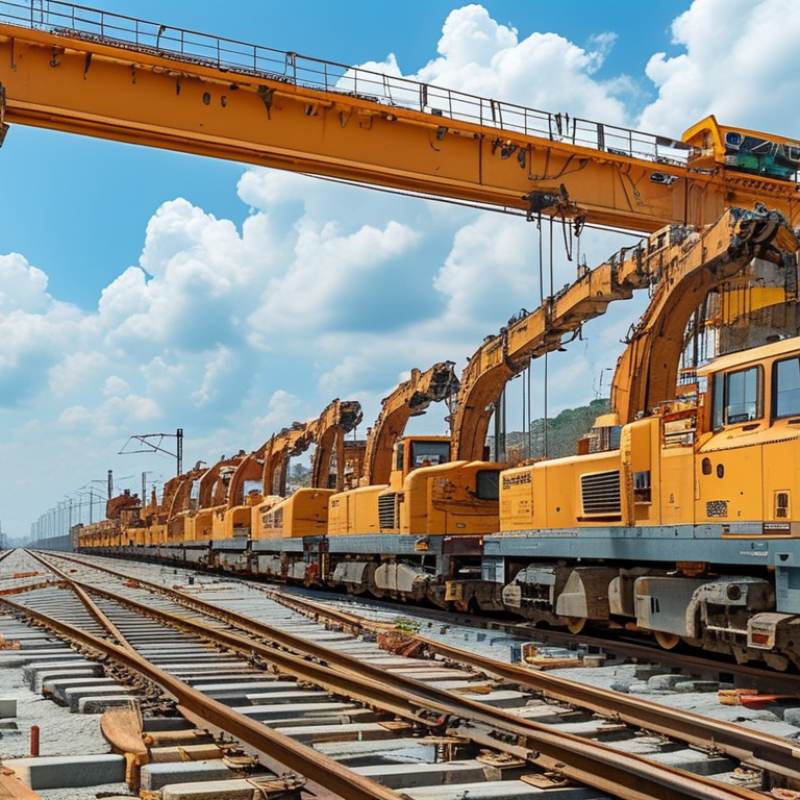
Rail construction equipment varies widely, with each piece serving a specific purpose. From cranes to track laying machines, each tool plays a role in efficiency and safety. However, purchasing decisions can be overwhelming. Not all equipment fits every project. It's crucial to evaluate needs carefully.
Many companies face challenges when selecting the right equipment. The market is flooded with options and the best choice often depends on unique project requirements. In a rapidly changing environment, staying informed is key. Investing in the right rail construction equipment can make a significant difference.
Overview of Rail Construction Equipment Market Trends for 2026
The rail construction equipment market is evolving rapidly as we look toward 2026. Sustainable practices are becoming more prominent. Manufacturers are investing in eco-friendly technologies. Innovations in battery-powered machinery can reduce emissions significantly. These developments align with global efforts to promote greener transportation.
Also, automation plays a vital role in shaping future equipment. Machines equipped with advanced sensors and AI can enhance efficiency. Yet, companies face challenges in integrating these technologies. Training workers to operate complex systems is essential. Current budget constraints may limit the adoption of innovative solutions as well.
Moreover, market competition is fierce. Many companies strive to offer cutting-edge machinery at competitive prices. This could lead to lower quality in some products. Buyers must be cautious and research options thoroughly. Engaging suppliers and seeking expert opinions can aid in making informed choices. Keeping an eye on emerging trends will ensure relevant investments in rail construction tools.
Essential Features to Consider When Buying Rail Construction Equipment
When selecting rail construction equipment, essential features should not be overlooked. The equipment needs to be durable and efficient. According to the Railway Industry Association, about 70% of rail maintenance costs relate directly to equipment performance. Thus, evaluating machinery for strength and reliability is crucial.
Another key aspect is the equipment's adaptability. The rail industry continues to evolve with new technologies. Machines that can be upgraded or adapted for various tasks tend to offer better long-term value. Research indicates that multi-functional equipment can reduce operational costs by up to 30%.
Safety features are equally important. Investing in equipment with advanced safety mechanisms can significantly reduce workplace accidents. Data shows that 25% of rail-related injuries occur due to equipment malfunctions. Thus, prioritizing safety attributes enhances not only the workforce's security but also operational efficiency. Equipment that minimizes risks aligns with industry standards, drawing from the collective expertise that informs safety protocols in rail construction.
Best Rail Construction Equipment to Buy in 2026
Top Rail Construction Equipment Brands to Watch in 2026
As the rail construction industry evolves, 2026 will see increased competition among equipment manufacturers. Reports from industry experts indicate a projected annual growth rate of 4.5% in rail infrastructure investment. This shift emphasizes the demand for innovative and efficient rail construction equipment.
Several brands are positioned to lead this market. Their focus on technology integration is notable. For instance, advancements in predictive maintenance can significantly reduce downtime. Companies that offer automated machinery will attract attention. Adoption of green technology, such as electric-powered equipment, is also becoming a priority. Industry analysts have identified a gap in eco-friendly options, signaling opportunities for brands that invest in sustainability.
However, some challenges persist. The rapid pace of technological change can leave companies behind if they do not adapt. Many players must balance cost and performance while aiming for new features. Potential buyers should scrutinize the reliability of new technologies. They must also consider the overall support services provided by manufacturers. Uncertainty over global supply chains adds another layer of complexity to purchasing decisions. Engaging in thorough research is critical for making informed choices tailored to specific project needs.
Cost Analysis: Budgeting for Rail Construction Equipment Purchases
Investing in rail construction equipment requires careful planning. Companies must analyze upfront costs and ongoing expenses. Equipment maintenance and repairs can quickly add up. Budgeting should account for unexpected repairs that can stall projects. This aspect often gets overlooked but can strain finances if left unprepared.
When evaluating equipment purchases, depreciation is another key factor. Heavy machinery loses value over time, impacting resale opportunities. Companies should seek equipment with better durability and reliability. This can mitigate long-term cost impacts. Moreover, rental options may be tempting, yet they can lead to higher expenses if projects extend beyond original timelines.
Another point to consider is training costs for equipment operators. Investing in skilled personnel can enhance efficiency but also raises initial expenses. Some firms underestimate the investment in human resources for effective equipment use. Conducting a thorough cost analysis can prevent budget overruns. Additionally, it’s crucial to reassess needs periodically as project scopes evolve. Being adaptable can save significant resources in the long run.
Innovations in Rail Construction Equipment Technology by 2026
As rail construction technology evolves, new innovations take center stage. By 2026, the industry is set to embrace smart machinery that enhances efficiency. According to a report from the International Rail Industry Association, automated equipment can increase productivity by up to 30%.
These innovations include systems that incorporate IoT technology. This allows for real-time monitoring and better maintenance schedules. Predictive analytics can reduce equipment downtime, addressing a key pain point in rail construction. Technologies, like self-driving machinery, are in development. They promise to tackle labor shortages and improve safety on job sites.
However, embracing these advancements presents challenges. High initial costs can deter smaller companies from investing. Training the workforce to effectively use new technologies is crucial yet often overlooked. The balance between integrating tech and maintaining traditional methods needs careful consideration. As the industry moves forward, the focus should remain on sustainable practices and collaboration for long-term success.