What is the Best Post Press Machine for Your Business Needs?
In the competitive landscape of print and packaging, selecting the right Post Press Machine is crucial. According to a report by Smithers Pira, the global print finishing market is expected to reach $30 billion by 2025. This growth emphasizes the importance of investing in efficient post-press equipment. Businesses must evaluate their specific needs to ensure optimal productivity and quality.
Choosing the wrong machine can lead to increased costs and wasted resources. A well-chosen Post Press Machine enhances finishing processes, impacting overall customer satisfaction. For example, high-quality folding and binding can improve the final product's appeal, potentially boosting sales. However, it is essential to consider factors like production volume, type of materials, and desired finishes.
While multiple options exist in the market, not all machines will suit every business. Research shows that companies often struggle to find a reliable machine that meets their changing needs. Balancing investment with performance is key. Businesses must stay informed, as industry advancements can quickly change the landscape. Understanding these dynamics will lead to better decisions in selecting the right Post Press Machine.
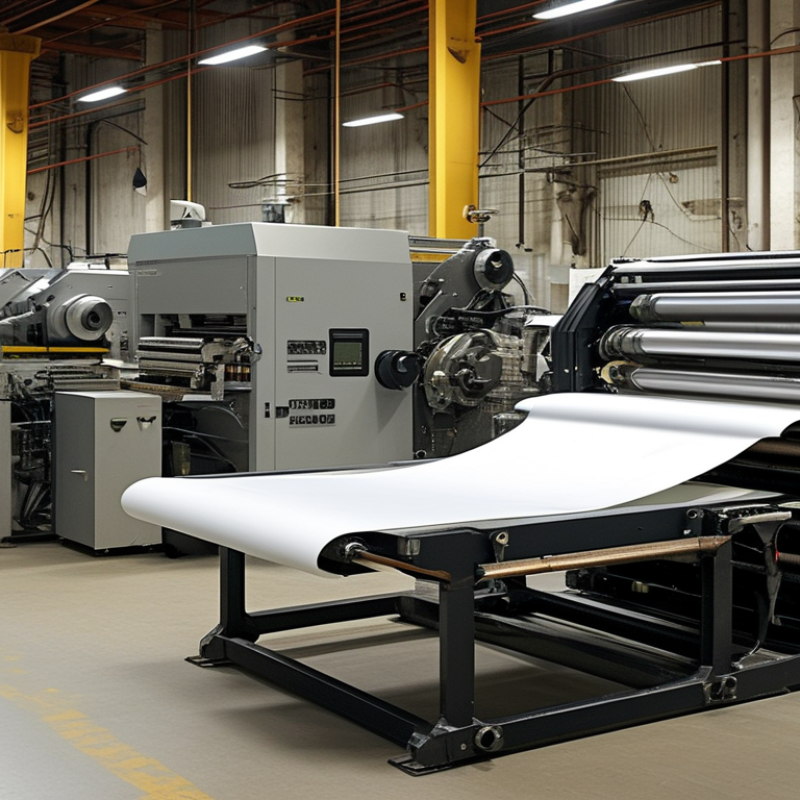
Understanding Post Press Processes and Their Importance in Business
Post press processes are crucial in the printing industry. They enhance product quality and appeal. With 78% of consumers prioritizing visual appearance, businesses must invest wisely in post press machines. These processes include cutting, folding, binding, and finishing. Each plays a role in the final product and customer satisfaction.
Understanding which post press machine fits your business needs can seem overwhelming. Research shows that companies utilizing high-quality finishing tend to see a 30% increase in sales. Effective post press operations streamline production and reduce waste. They can also enhance brand image, creating memorable experiences for customers.
Tip: Regularly assess your production workflow. Look for bottlenecks that could be addressed with better equipment.
Another consideration is sustainability. Many machines now offer eco-friendly options. Reports indicate that 64% of consumers prefer brands that prioritize sustainable practices. Investing in green technology can appeal to this growing market segment.
Tip: Explore machines with energy-efficient operations. This can reduce operational costs and environmental impact.
Choosing the right post press machine is not just about functionality. It's about optimizing every aspect of your business. Consider your specific needs and the market demands when making decisions.
Types of Post Press Machines and Their Applications in Printing
Post-press machines play a crucial role in the finishing stage of printing. These machines enhance the quality of printed materials, providing essential functions such as cutting, folding, and binding. Each type serves specific needs. For example, guillotine cutters offer precision in trimming large stacks of paper. They ensure consistent edges, reducing waste in the final product. Another option, folding machines, automate the process of creating brochures and booklets. This can save time and labor costs.
Different businesses will benefit from varying types of post-press machines. A small print shop might prioritize a versatile machine that combines several functions. In contrast, larger operations may invest in specialized machines for tasks like foil stamping. The choice often comes down to specific production needs and budget constraints. It’s essential to consider the volume of work and desired quality. Inadequate machines can result in bottlenecks. Observing machine performance and capacity is crucial to avoid pitfalls in production efficiency.
While the right choice is vital, it can sometimes reflect a misunderstanding of operational needs. Overestimating capabilities leads to wasted investment. Additionally, user training is often overlooked. Familiarizing staff with the machinery can prevent mishaps. Regular maintenance also ensures longevity. Understanding these factors will help businesses select the most suitable post-press machine.
Key Features to Consider When Choosing a Post Press Machine
When selecting a post press machine, key features are crucial. One feature to consider is the machine's speed. Higher speeds enhance efficiency and productivity, allowing your business to handle larger workloads. However, too much speed may lead to quality issues. Finding the right balance between speed and precision is essential.
Another important aspect is versatility. A machine that can perform multiple functions offers great value. Look for devices that can handle tasks like folding, cutting, and binding in one unit. This flexibility can save space and reduce the need for additional equipment. However, using a multifunction machine may require a learning curve.
Additionally, assess the machine's build quality. A durable machine reduces maintenance costs and increases longevity. Consider the materials used in its construction. Are they reliable? The initial investment might be higher for a sturdy machine, but it often pays off in the long run. Be cautious of machines that seem too good to be true; they may compromise on quality. Taking these aspects into account ensures that your selection meets your operational needs effectively.
Evaluating Your Business Needs for Post Press Equipment
When selecting Post Press Equipment, it's essential to evaluate your specific business needs. Each business is unique, and understanding your requirements is key. Consider the volume of work, types of materials, and finishing options you typically use. These factors can greatly influence your equipment choices.
Tips: Assess your workflow. Do you need high-speed machines for large volumes? Or, perhaps more versatile options for varied projects? Analyze the expected production times and delivery schedules. This will help you determine the right machine for your workload.
Another crucial aspect is space. Measure your workspace accurately. Some machines can be large and require adequate ventilation. Think about how often you plan to use the equipment and if it suits your layout.
Tips: Engage with professionals. Consulting with industry experts can clear confusion. Their insights may reveal options you hadn’t considered. Reflect on previous projects. Have certain tools improved your process? Use that knowledge to enhance your decision-making. Evaluating both successes and challenges can lead you to the right choice.
Top Brands and Models of Post Press Machines for Various Industries
When selecting a post-press machine, understanding your business needs is crucial. Different industries favor various models based on their specific requirements. The printing sector typically benefits from machines that handle cutting, folding, and binding efficiently. A report by Smithers Pira indicates that the global print finishing market is expected to reach $10 billion by 2025, reflecting this rising demand.
Many businesses overlook the significance of machine versatility. Some post-press machines can perform multiple functions, reducing overall costs and saving space. Consider the automation level; semi-automated machines might suffice for small operations, while larger firms often require fully automated systems. Flexibility can enhance productivity significantly. In a survey by Ideagen, 70% of respondents noted improved efficiency after upgrading to advanced post-press equipment.
It's essential to reflect on your investment. A more expensive machine isn't always better. Assess the long-term benefits versus immediate costs. Look for case studies or testimonials from reputable sources; they can provide insights into machine performance and reliability.
Tips: Regular maintenance can extend machine lifespan. Training staff effectively is equally vital for maximizing output. Consider starting with a used model to gauge your needs before making large investments.
What is the Best Post Press Machine for Your Business Needs?
| Machine Type | Max Sheet Size (inches) | Speed (sheets per hour) | Key Features | Ideal Industry |
| Automatic Paper Cutter | 26" x 40" | 300 | Precision cutting, programmable settings | Commercial Printing |
| Digital Finisher | 12" x 18" | 500 | Creasing and folding in one step | Digital Printing |
| Binding Machine | Max 500 sheets | 200 | Multiple binding styles, electric or manual | Publishing, Offices |
| Laminating Machine | 40" x 60" | 150 | Hot and cold lamination options | Signage, Marketing |
| Folding Machine | Variable | 400 | Automatic setup, fast changeover | Direct Mail, Print Shops |