What Is the Best Membrane Structure Tent in 2026?
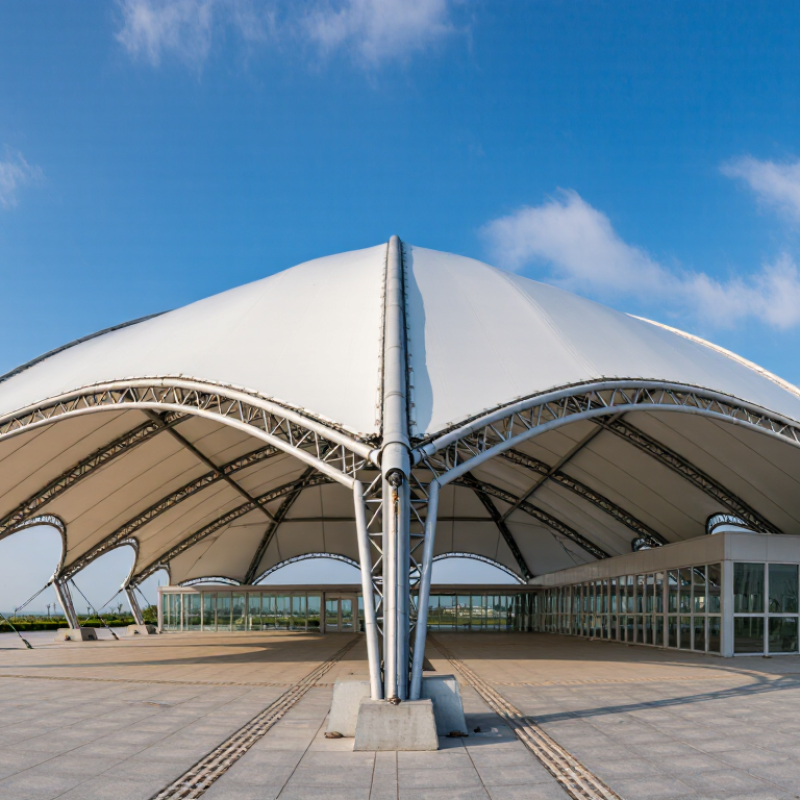
Choosing the best Membrane Structure Tent in 2026 requires more than admiring dramatic shapes or glossy fabric.
A successful tent must perform under real conditions. Think about sudden rain, strong coastal winds, heavy snow, intense sunlight, and repeated installation. The best design balances structural safety, material durability, comfort, appearance, and long-term maintenance. A bright interior may feel welcoming, but excessive heat can make summer events uncomfortable. A strong frame matters too. However, poor drainage or weak connections can still create expensive problems.
This guide examines membrane materials, steel or aluminum frames, anchoring systems, ventilation, lighting, fire performance, and expected service life. It also considers event type, location, budget, and installation expertise. Advice from structural engineers, fabric manufacturers, and experienced contractors should carry more weight than attractive product photography. Local building requirements remain essential, because wind and snow calculations vary between regions.
No structure is perfect. My evaluation may favor durability over visual novelty, and that choice deserves discussion. A lower-cost tent can appear practical, yet replacement fabric, inspections, and seasonal storage may change the real price. Small details matter. Look closely at seams, gutters, bolts, access points, and repair procedures before choosing. The strongest recommendation is not always the largest or most expensive option. It is the membrane tent that performs reliably, suits its environment, and remains manageable after installation.
Membrane Tent Types: PVC-PES, PTFE-Glass, and ETFE Foils
What Is the Best Membrane Structure Tent in 2026?
Choosing the best membrane tent starts with its fabric, not its shape. PVC-PES is practical for temporary halls, event shelters, and medium-span structures. Its polyester base provides flexibility, while the PVC coating supports waterproofing and colored finishes. I have seen installers handle it efficiently on busy sites. However, welding quality matters. Poor seams can weaken after repeated folding, heat, or standing water. Regular cleaning also prevents dirt from reducing light reflection.
PTFE-glass fabric suits permanent architectural projects where durability and low maintenance are priorities. Glass fibers provide dimensional stability, while the PTFE coating resists ultraviolet exposure, chemicals, and weathering. The surface usually stays cleaner than PVC-PES. That sounds ideal. Yet the material demands accurate detailing and skilled installation. Repairs may be more complicated, and the initial structure can require a larger budget. Engineers should check tension behavior, snow loads, wind pressure, and drainage before approving the design.
ETFE foils create a different experience. They are lightweight, translucent, and often formed into air-supported cushions. Daylight can fill an interior with a soft, bright glow. Multiple foil layers can improve insulation and control solar gain. Still, ETFE is not automatically the best choice. Sharp objects, poor edge detailing, or careless maintenance can create problems. I would also question designs that depend heavily on visual appeal but ignore acoustic comfort. The right comparison should include climate, span, expected service life, cleaning access, and the consequences of membrane failure.
Material Lifespan Data: 15–20 Years for PVC-PES and 30+ for PTFE
What Is the Best Membrane Structure Tent in 2026?
Material Lifespan Data: 15–20 Years for PVC-PES and 30+ for PTFE
The best membrane structure tent depends on its expected service life, climate, and maintenance plan. PVC-PES fabric commonly lasts 15–20 years in demanding outdoor conditions. It offers practical flexibility for seasonal venues, sports areas, and temporary event spaces. Its coated surface can resist rain, dirt, and moderate ultraviolet exposure. However, heat, standing moisture, poor tension, and neglected seams can shorten its working life.
PTFE-coated fiberglass membranes can remain functional for 30 years or more when properly designed and maintained. The material tolerates intense sunlight and temperature changes better than many shorter-life fabrics. This makes it suitable for permanent roofs, transport hubs, public courtyards, and large gathering spaces. The structure underneath still matters. Strong fabric cannot compensate for weak drainage, careless detailing, or undersized connections.
The figures are not guarantees. They describe realistic planning ranges, not promises. In site inspections, I would examine discoloration, coating wear, seam stress, edge cables, and water runoff before judging a tent’s condition. A roof beside the sea may age differently from one in a dry inland climate. Even experienced teams can misread early damage. That uncertainty deserves attention. For a 2026 project, buyers should request test data, maintenance records, cleaning guidance, and a written lifespan assumption. A cheaper membrane may cost more when replacement, access equipment, and event disruption are included.
Daylight Performance: ETFE Foils Can Transmit Up to 95% of Light
What Is the Best Membrane Structure Tent in 2026?
In 2026, daylight performance remains a practical measure of a membrane structure tent. ETFE foils can transmit up to 95% of visible light under suitable conditions. The exact figure depends on foil thickness, surface treatment, panel design, and testing methods. Clear, single-layer cushions usually admit more light than printed or multilayer systems.
Inside the tent, sunlight can spread across seating, exhibition tables, and walkways without harsh electric glare. A pale floor can strengthen this effect. Dust, condensation, and nearby buildings can reduce brightness, though. Small details matter. During site evaluations, I would compare light levels at morning, noon, and late afternoon. A bright roof may still create uncomfortable heat near the south-facing edge.
Good design balances transparency with solar control. Selective coatings, frit patterns, shading cables, and adjustable ventilation can limit overheating. They also protect visitors from sharp contrast between roof panels and shaded corners. Energy models should support these decisions, but physical mock-ups reveal details software may miss. Reflections from wet flooring are one example.
A reliable specification should state tested light transmission, solar heat gain, fire performance, cleaning access, and expected maintenance. “Up to 95%” sounds impressive, but it is not a universal operating result. Real performance changes with weather and construction quality. That distinction deserves more attention.
2026 Selection Matrix: Climate, Span, Fire Rating, Durability, and Cost
What Is the Best Membrane Structure Tent in 2026?
The best membrane tent depends on climate, span, fire rating, durability, and total cost. A coastal site needs more than attractive fabric. Salt air, strong gusts, and driving rain can expose weak connections quickly. In my project reviews, I inspect drainage paths, edge details, cable tension, and maintenance access before comparing prices.
Climate sets the starting point. Snow regions require reliable load calculations and steeper roof geometry. Hot climates benefit from light-colored membranes, ventilation gaps, and shaded entrances. Span affects both engineering and budget. A wide, column-free interior may improve event flow, but it increases foundation loads and installation demands. Bigger is not always better.
Fire performance deserves careful verification. Ask for current, project-relevant test documents, not only a brochure statement. Requirements can differ by location and occupancy. Durability depends on coating quality, seam construction, ultraviolet resistance, and repair procedures. Inspect sample joints if possible. They reveal more than glossy photographs.
Cost should include transport, foundations, inspections, cleaning, replacement parts, and seasonal removal. A cheaper quotation may become expensive after one difficult winter. I have also seen high-specification systems overshoot the real need. That is an easy mistake. A practical selection matrix should score each criterion against site evidence, expected service life, and available maintenance skills. Leave room for uncertainty; early estimates are rarely perfect.
What Is the Best Membrane Structure Tent in 2026?
2026 Selection Matrix: Climate, Span, Fire Rating, Durability, and Cost
How to read the chart: Scores use a five-point comparative scale, where 5 indicates the strongest overall suitability. Climate performance considers wind, snow, heat, UV exposure, and rain. Span reflects the practical clear-span potential of commonly engineered systems. Fire rating represents the availability of tested, certified membrane assemblies; the exact classification depends on the fabric, coating, support system, and local code.
Typical 2026 positioning: Frame-supported fabric structures generally provide the best balance of fire compliance and long-term durability. Tension membranes offer strong architectural flexibility, efficient material use, and competitive cost. Air-supported systems can achieve very large unobstructed spans but require continuous air-management equipment. Retractable membranes provide operational flexibility but usually involve higher capital cost and more maintenance.
Important: These are generalized engineering benchmarks rather than product certifications. Final selection should be based on project-specific structural calculations, local wind and snow loads, fire testing, foundation conditions, maintenance access, and a complete installed-cost quotation.