Best Flexible Printed Circuit Board Solutions for Your Projects?
Flexible Printed Circuit Boards (FPCBs) are revolutionizing the electronics industry. They provide compact designs and superior flexibility, essential for modern applications. According to a report by Research and Markets, the global FPCB market is projected to reach $22.6 billion by 2026. This growth is driven by advancements in consumer electronics, automotive, and medical devices.
Industry expert Dr. Emily Foster states, "The adaptability and efficiency of Flexible Printed Circuit Boards are paramount in the evolution of technology." Her insights highlight how FPCBs enable innovation in product design. Leading manufacturers are investing heavily in R&D to enhance performance and reliability. However, challenges such as manufacturing inconsistencies remain. Addressing these concerns is vital for the industry's progress.
While FPCBs offer countless benefits, they also demand careful consideration in design and implementation. Balancing cost and quality is crucial for successful deployment. As the market evolves, understanding the best FPCB solutions for various projects will become increasingly important. Staying informed can help companies navigate this dynamic landscape effectively.
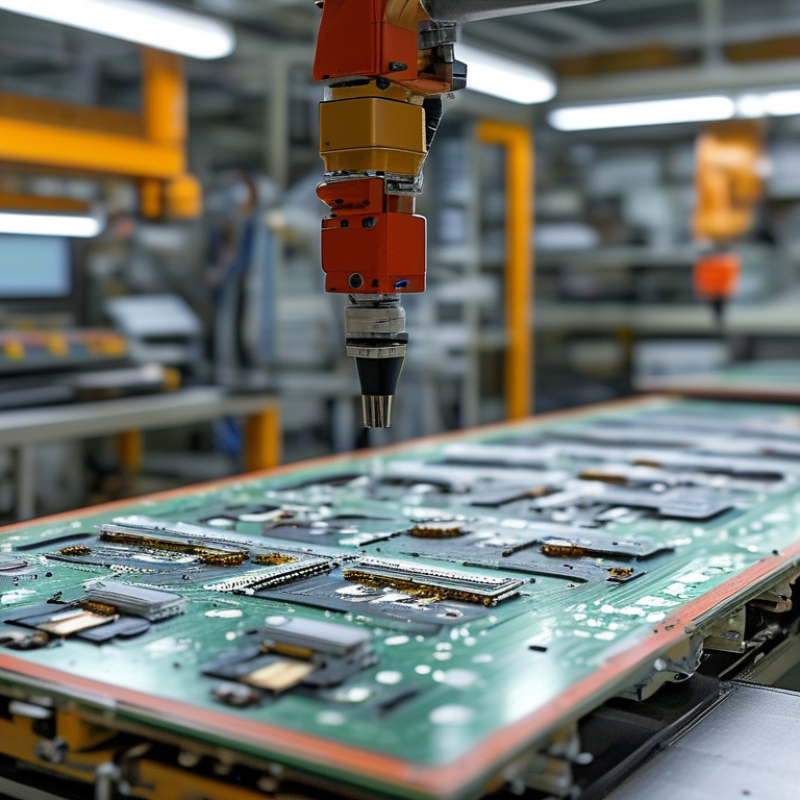
Understanding Flexible Printed Circuit Boards (FPCBs) and Their Benefits
Flexible Printed Circuit Boards (FPCBs) have transformed electronic design. They offer unique advantages over traditional rigid boards. One significant benefit is their adaptability. FPCBs can bend and flex, making them ideal for compact devices. According to the 2022 IPC Global Technology Trends report, the demand for FPCBs is projected to grow at a CAGR of 9% between 2022 and 2027. This growth is driven by the rise of wearable technology and compact devices.
FPCBs also enhance reliability and performance. Their lightweight nature reduces the overall weight of electronic assemblies. They can withstand harsh environments due to their durable materials. However, designing FPCBs requires careful consideration. The production process can introduce challenges, such as maintaining precise tolerances. Faulty designs can lead to higher failure rates, impacting device performance.
Additionally, FPCBs enable higher circuit density. More components can fit into less space. This is particularly valuable in industries like automotive and medical electronics. A report by MarketWatch highlights that the automotive sector's demand for FPCBs alone is expected to reach $4 billion by 2025. Balancing complexity with manufacturability is a critical aspect of successful FPCB projects. These boards open a new realm of possibilities but demand expertise and attention to detail in their design and production.
Key Applications of Flexible Printed Circuit Boards in Modern Electronics
Flexible printed circuit boards (FPCBs) have become vital in modern electronics. These boards are lightweight and compact, making them ideal for various applications. They are widely used in smartphones, wearables, and medical devices. The ability to bend and twist allows for innovative designs that traditional rigid PCBs cannot achieve.
One key application is in automotive technology. FPCBs are used in sensors and control systems. This flexibility enhances performance while saving space. As vehicles evolve towards more electronic features, the demand for advanced flexible solutions will increase. Another significant use is in medical devices. Small, flexible boards fit easily into compact devices. They enable complex functionalities in diagnostics and treatment tools, improving patient care.
When considering FPCBs, keep these tips in mind. Ensure proper material selection for your specific application. It impacts durability and performance. Pay attention to the design process. A well-thought-out design reduces manufacturing issues. Test prototypes thoroughly before mass production. This step is crucial in identifying potential flaws early. Small adjustments can lead to better end products. Remember, innovation often involves learning from mistakes. Embrace iterative design to refine your projects.
Factors to Consider When Choosing Flexible Printed Circuit Board Solutions
When selecting flexible printed circuit board (FPCB) solutions, several factors come into play. The first consideration is material choice. Different materials affect flexibility, durability, and thermal performance. Polyimide is a common choice for its heat resistance, yet it may not suit all applications.
Design complexity is another crucial element. Your project's requirements will dictate the intricate patterns that FPCB can handle. However, more complex designs can lead to longer manufacturing times and higher costs. It's essential to balance innovation with practicality.
Manufacturers' expertise also matters. Not every provider possesses the same level of experience. Research their track records and customer reviews. It's wise to ask about past projects similar to yours. You deserve clarity and assurance about their capabilities before committing.
Top Manufacturers and Suppliers of Flexible Printed Circuit Boards
Flexible Printed Circuit Boards (FPCBs) are essential in modern electronics. They offer versatility in design and application. Choosing the right manufacturer can be challenging due to the variety available. Some manufacturers specialize in high-volume production, while others focus on custom solutions. Assessing your specific project needs is crucial.
When exploring suppliers, always check their certifications and industry experience. Look for companies with a proven track record. Experience fosters reliability. Consider asking for samples before committing. This allows you to evaluate their quality firsthand.
Tips: Keep an eye on the latest technology trends. Manufacturers that adapt to new innovations tend to offer better solutions. Be open to feedback from other engineers in your network. Learning from shared experiences can lead to better decisions. Trust your instincts, but verify claims.
Best Practices for Designing and Integrating FPCBs in Your Projects
Designing and integrating Flexible Printed Circuit Boards (FPCBs) requires adherence to best practices that enhance performance. Industry reports indicate that FPCBs can reduce weight by up to 75% compared to traditional PCBs, making them essential for compact devices. This flexibility allows them to fit in the most confined spaces while maintaining functionality.
One challenge that designers often face is signal integrity. According to recent studies, improper routing can lead to signal degradation, impacting device performance. It’s crucial to carefully plan the trace width and spacing to minimize interference. Additionally, using simulation software can help identify potential issues before manufacturing. This strategic approach not only saves time but also reduces costs associated with redesigns.
Integration of FPCBs into projects often involves thermal considerations. Thermal management is key as these boards may operate in higher temperature environments. Reports show that adopting thermal vias can improve heat dissipation, yet they can complicate manufacturing. Balancing performance, manufacturability, and cost is an ongoing challenge faced by engineers. Continuous learning from each project reinforces the importance of meticulous planning and testing.