Best Decking Lag Bolts for Your Construction Projects?
When it comes to constructing a sturdy deck, selecting the right materials is crucial. Among these materials, Decking Lag Bolts play a pivotal role in ensuring stability and longevity. These robust fasteners are essential for securing deck joists to beams and provide the strength needed to withstand environmental stress.
The quality of Decking Lag Bolts can significantly impact your project. Not all bolts are created equal; some may rust or weaken over time. Choosing high-quality options can save you from costly repairs down the line. However, many DIY enthusiasts overlook the importance of this decision. It’s easy to underestimate how well-built lag bolts influence the overall structure.
Consider the various types available, such as stainless steel or galvanized options, each with unique benefits. Reflecting on your specific needs can help you make a wiser choice. While it can be tempting to purchase the cheapest option, investing in reliable fasteners is essential to achieving a successful deck build.
Understanding Lag Bolts: Definition and Uses in Decking Projects
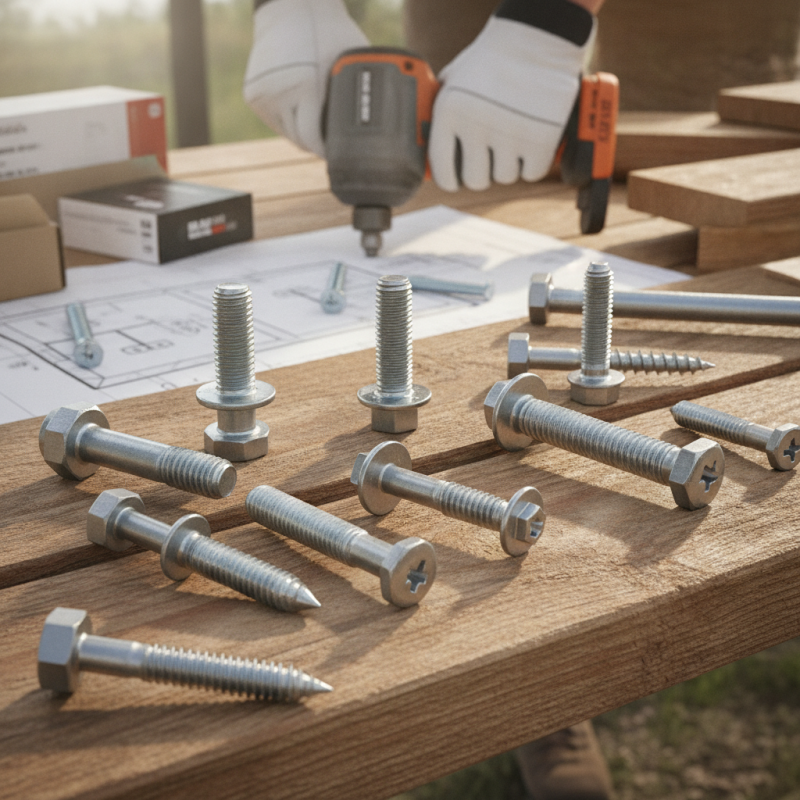
Lag bolts are essential fasteners in decking projects. They provide strong connections between wooden beams and support structures. These heavy-duty screws have a large diameter and a coarse thread. This design allows them to penetrate wood effectively, offering maximum holding power.
When choosing lag bolts, consider the material and length. Galvanized steel is a common choice due to its resistance to rust. Length should match the thickness of your decking material. Installing lag bolts requires pre-drilling holes to avoid splitting the wood. A pilot hole makes the job easier and more precise.
Some may underestimate the importance of using the correct size. Using bolts that are too short compromises strength. Additionally, ensure you do not overtighten them, as this can damage the wood. A well-installed lag bolt can withstand heavy loads. However, a poorly chosen bolt can lead to structural issues down the line. Remember, the right hardware makes all the difference in a successful decking project.
Key Features to Consider When Selecting Decking Lag Bolts
When selecting decking lag bolts, it’s essential to focus on several key features that impact performance and durability. Corrosion resistance is critical. Reports indicate that approximately 90% of deck failures occur due to rust and degradation of fasteners. Look for bolts made from stainless steel or coated materials to enhance longevity. These options can withstand harsh weather conditions and prevent structural failures over time.
Another important factor is the bolt size and thread count. Proper sizing greatly affects load capacity. Industry standards suggest that for residential decks, lag bolts should typically have a diameter of at least ¼ inch. Additionally, a higher thread count can improve grip, distributing weight more evenly. The National Association of Home Builders highlighted that using the right size and type of lag bolts can increase a deck's lateral load capacity by up to 30%.
Lastly, consider the installation process. Precise installation is vital for safety and durability. Misaligned bolts can lead to unwanted stress on specific areas, causing potential failures. Ensure that the torque specifications are followed carefully. Even small deviations can lead to significant long-term issues affecting the structural integrity of a deck. Proper research and understanding of these factors can lead to more reliable, longer-lasting construction projects.
Top Brands and Their Best Lag Bolt Options for Decking
When it comes to selecting lag bolts for decking, quality is crucial. Different brands offer various options, each with unique features. Not all lag bolts are created equal, and understanding these differences is important for any construction project. Some may have superior corrosion resistance, while others are designed for specific materials.
Brands focus on delivering performance and reliability. Look for options that provide a secure grip and excellent tensile strength. Stainless steel lag bolts are known for their longevity. They withstand the elements better than standard steel. Always check specifications to ensure compatibility with your decking material.
Choosing the right lag bolt can be challenging. Not every product marketed as “best” will suit your needs. Standard sizes vary, and installation can differ based on the type of decking. Pay attention to thread patterns and length. It is worth spending time on research. Optimal results come from informed choices. Always double-check installation requirements to avoid costly mistakes.
Installation Tips for Securing Lag Bolts in Your Decking
Securing lag bolts in your decking project requires careful preparation. Proper hole placement is crucial. Aim for a distance of 1.5 inches from the edges to avoid splitting. According to the Wood Products Council, a well-placed lag bolt can bear heavy loads, making it vital for structural integrity. They recommend using a drill bit slightly smaller than the bolt diameter for optimal grip.
Before installation, ensure your lag bolts are compatible with the decking material. For instance, stainless steel works well for outdoor environments, as it resists corrosion. A study by the American Society for Testing and Materials shows that using the right materials can improve longevity by up to 30%. Consider pilot holes to improve accuracy and ease of installation. Misalignment can lead to issues down the line.
When tightening the bolts, aim for a snug fit but avoid over-tightening. Excessive force can strip the wood or damage the bolt. A torque wrench can help achieve the correct tension. Inconsistent tightening can introduce stress points, leading to structural failures. Regularly inspecting the bolts and their surroundings contributes to long-term safety and stability.
Common Mistakes to Avoid When Using Decking Lag Bolts
Using decking lag bolts can enhance the durability of your construction projects. However, many individuals fail to recognize common pitfalls. One mistake is not pre-drilling the holes. This step is crucial as it prevents the wood from splitting. Without pre-drilling, you could damage your deck and waste materials.
Another common error is choosing the wrong size of lag bolts. It is essential to match the bolt size to the thickness of the materials you’re fastening. Too long or too short lag bolts can lead to structural issues. Also, ensure that the bolt head is appropriate for the washer. Using mismatched components can compromise strength.
Many overlook the importance of the material. Decking lag bolts come in various materials, such as stainless steel and carbon steel. Each has its own benefits. Make sure to choose the right one for your environment. In coastal areas, stainless steel is essential to combat corrosion. Ignoring these factors may lead to costly repairs down the line. Even experienced builders can learn from these mistakes.