
Blog

You are here:

10 Best ATS Switch Manufacturers for Global Buyers

Automatic transfer switches help keep critical loads supplied when the normal power source fails. For global buyers, choosing a manufacturer involves more than comparing prices or browsing product photos. Voltage, current rating, pole configuration, transfer mode, and installation environment all affect whether a unit fits a project.

This guide to the 10 Best ATS Switch Manufacturers for Global Buyers offers a practical starting point for evaluating suppliers. It considers product range, technical documentation, customization, manufacturing capability, and after-sales support. Buyers should also check whether a model’s certifications and test reports match the requirements of their destination market. A certificate shown on a website may not cover every product variant. Details matter.

Switch Ats products can look similar in a catalog, yet differ in controller functions, switching performance, enclosure design, and maintenance access. Ask for precise specifications, wiring diagrams, and clear information about operating conditions. Where possible, compare responses to the same technical questions. This makes gaps easier to spot. A tidy datasheet is useful, but it cannot answer every site-specific concern.

No single manufacturer is the right fit for every project. Lead times, communication, local service, and replacement-part availability may weigh as heavily as headline specifications. Some buyers may also need to revisit their assumptions after reviewing real load data. That is not a failure; it is part of careful procurement. The manufacturers below are presented as options for further assessment, not as a substitute for engineering review. Verify suitability with the supplier and a qualified project professional before making a purchase.
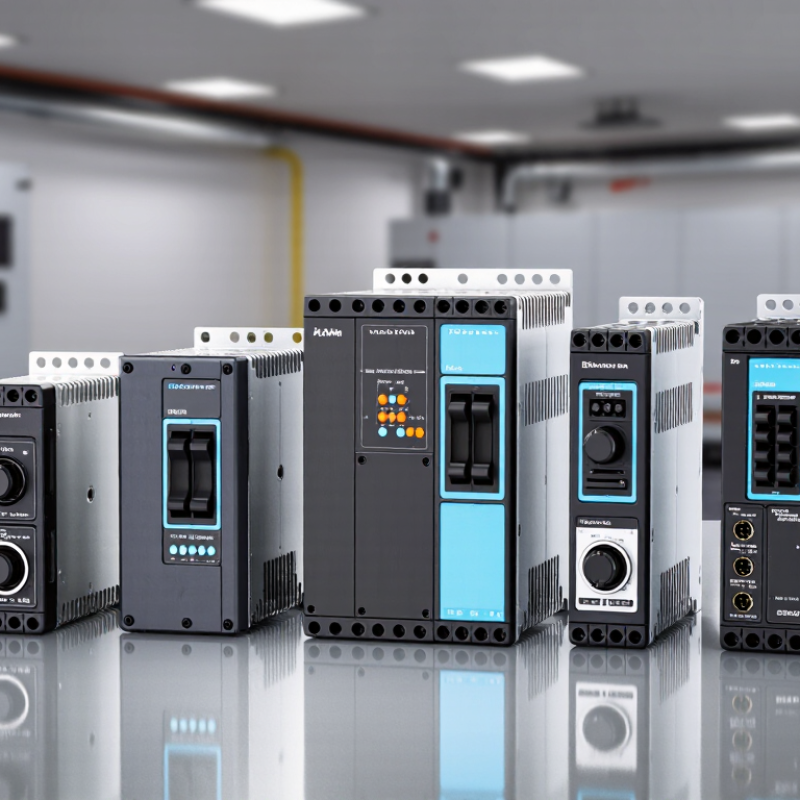
10 Best ATS Switch Manufacturers for Global Buyers

Automatic Transfer Switches: Definition, Purpose, and Operating Principles

An automatic transfer switch (ATS) moves an electrical load between two power sources. In a typical installation, those sources are utility power and a standby generator. The switch monitors voltage and, in some designs, frequency. If the preferred source falls outside set limits, the controller initiates a transfer sequence. The purpose is to keep selected equipment powered with less manual intervention.

Here is the basic sequence. The ATS detects a supply problem, signals the generator to start, and checks that its output is stable. It then disconnects the load from the utility and connects it to the generator. When utility power returns and remains acceptable, the switch transfers the load back and allows the generator to cool down. Timing matters. A short delay can prevent needless switching during a brief voltage dip.

Most systems use mechanical or electrical interlocks to prevent both sources from feeding the load at once. Some transfer without intentionally overlapping sources; others are designed for controlled, momentary overlap, where permitted by the installation. Real installations are less tidy than diagrams. Motor starting currents, generator capacity, wiring, and maintenance all affect performance. An ATS does not create power or guarantee uninterrupted service; brief interruptions may occur during transfer. Selection and commissioning should match the load and be checked by qualified electrical professionals.

ATS Types, Ratings, and Applications Across Industries

Automatic transfer switches (ATS) move a load between a normal source and a standby source when power fails. Open-transition models briefly interrupt supply during transfer, making them common in commercial buildings and general backup systems. Closed-transition designs overlap sources for a controlled moment, where utility rules and system compatibility permit. Delayed-transition units add a pause for loads that need motors to slow before reconnection. Small detail, big impact. Bypass-isolation designs allow inspection or maintenance while helping keep critical loads energized.

Compare more than the switch’s headline ampere rating. Check rated voltage, frequency, number of poles, short-circuit withstand and closing ratings, and the transfer controller’s settings. A 400-amp unit may suit a panel on paper, yet fault current, cable size, and generator capacity can change the selection. Hospitals, data centers, factories, and water facilities also differ in how much interruption their equipment can tolerate. For example, a pump may restart after a short pause, while sensitive control equipment may need a carefully coordinated transfer. Site conditions matter. Heat, dust, humidity, and limited service access can affect enclosure choice and maintenance planning. Selection charts help, but they rarely capture every site’s quirks; engineers should verify specifications against measured loads, protection devices, and the standby source before ordering.

Key Criteria for Evaluating ATS Manufacturers

When comparing ATS manufacturers, verify compliance with IEC 60947-6-1, the international standard for low-voltage transfer switching equipment. Ask for independent test reports, not just a certificate summary. Check rated current, short-circuit withstand capability, pole configuration, and declared transfer time. These details matter when a switch must move a loaded circuit without nuisance trips.

Field evidence matters. Request references for installations with similar loads, ambient temperatures, and maintenance conditions. A clean laboratory result may not reflect a dusty plant room or frequent switching cycle.

Reliability deserves close scrutiny. Uptime Institute’s 2024 Global Data Center Survey reported that 54% of respondents’ most recent significant outages cost more than US$100,000; 16% exceeded US$1 million. This is not an ATS-specific failure statistic, but it shows why switching performance and service support carry real operational weight.

Ask manufacturers how they test mechanical and electrical endurance, detect transfer failures, and provide replacement parts across your operating regions.

Not just price. Compare warranty terms, technician response times, spare-part availability, and documentation language.

One weak point is often overlooked: transfer speed alone does not prove suitability. Confirm the proposed settings against the actual generator, load profile, and site protection scheme, then review the assumptions with a qualified engineer.

10 Leading ATS Switch Manufacturers and Their Market Strengths

An ATS manufacturer’s market strength is measured by more than its product range. For global buyers, dependable transfer performance, clear ratings, and accessible technical support matter on site. The ten leading supplier profiles often differ in focus: some serve utility-scale facilities, while others specialize in compact commercial panels or demanding industrial loads. Regional engineering teams can also adapt connection layouts and control settings to local project requirements. Details matter.

Some manufacturers stand out for high-current equipment and robust mechanical assemblies. Others offer modular designs that simplify panel integration or digital controls that record transfer events. A broad service network can reduce delays when commissioning schedules are tight. Value-focused suppliers may suit standard applications, though their documentation or customization options can be less extensive. Buyers should check these differences rather than assume a familiar specification guarantees equal performance.

Market strength should be verified against the installation, not just a catalogue. Review rated current, short-circuit withstand capability, transition mode, and control-power requirements. Ask for test records and confirm which components are included in the quoted configuration. A supplier’s local stock and response times may matter as much as its production scale. Even a well-built ATS can disappoint if its settings are poorly matched to the generator and utility supply. That part is easy to overlook.

Certifications, Global Supply, and After-Sales Support for Buyers

For global buyers, an ATS switch is more than a panel component. Its certificates and test records should match the product configuration, rated current, and intended market. Ask suppliers for current documents, not just a logo on a brochure. Details matter. A certificate may cover one model range but not every option. Check that drawings, labels, and test reports identify the unit you plan to purchase.

Global supply is also practical, not just a promise of shipment. Confirm production lead times, export packaging, spare-part availability, and how the supplier handles urgent replacements. For example, a damaged control module can delay commissioning even when the main switch arrives on time. Request a parts list and clarify which components are stocked regionally. Ask for evidence. Shipping estimates can change, and buyers should build a little flexibility into project schedules.

After-sales support deserves the same scrutiny as price. Find out whether technicians can assist with wiring checks, transfer-time settings, and fault-code interpretation. Get response hours and escalation contacts in writing. Remote help is useful, but it may not solve a site-specific issue. This is easy to overlook. A supplier should explain what information its team needs, such as wiring diagrams, load details, and clear photos of the installation. Compare support commitments alongside certifications and delivery plans before placing an order.

Go to Top